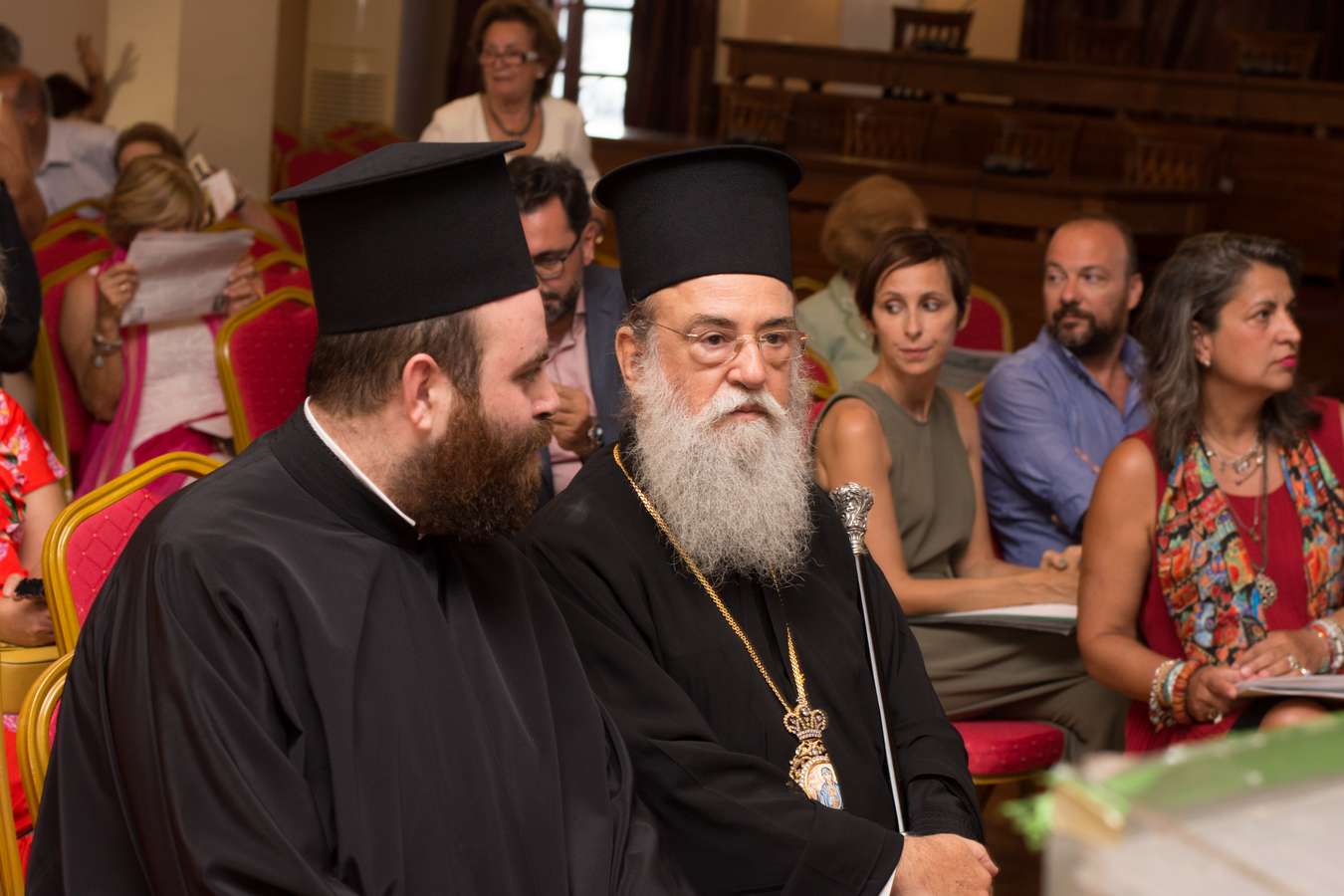
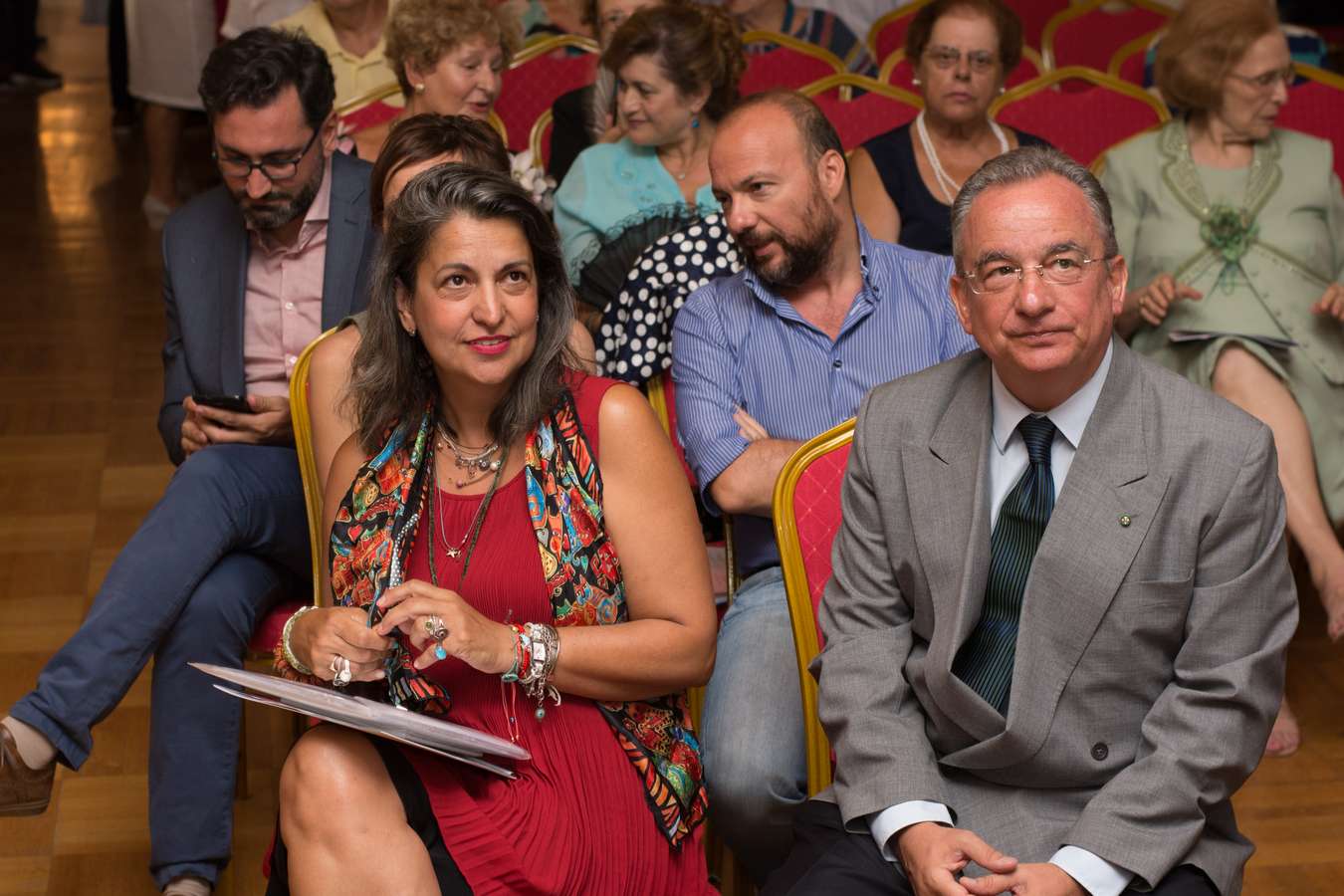
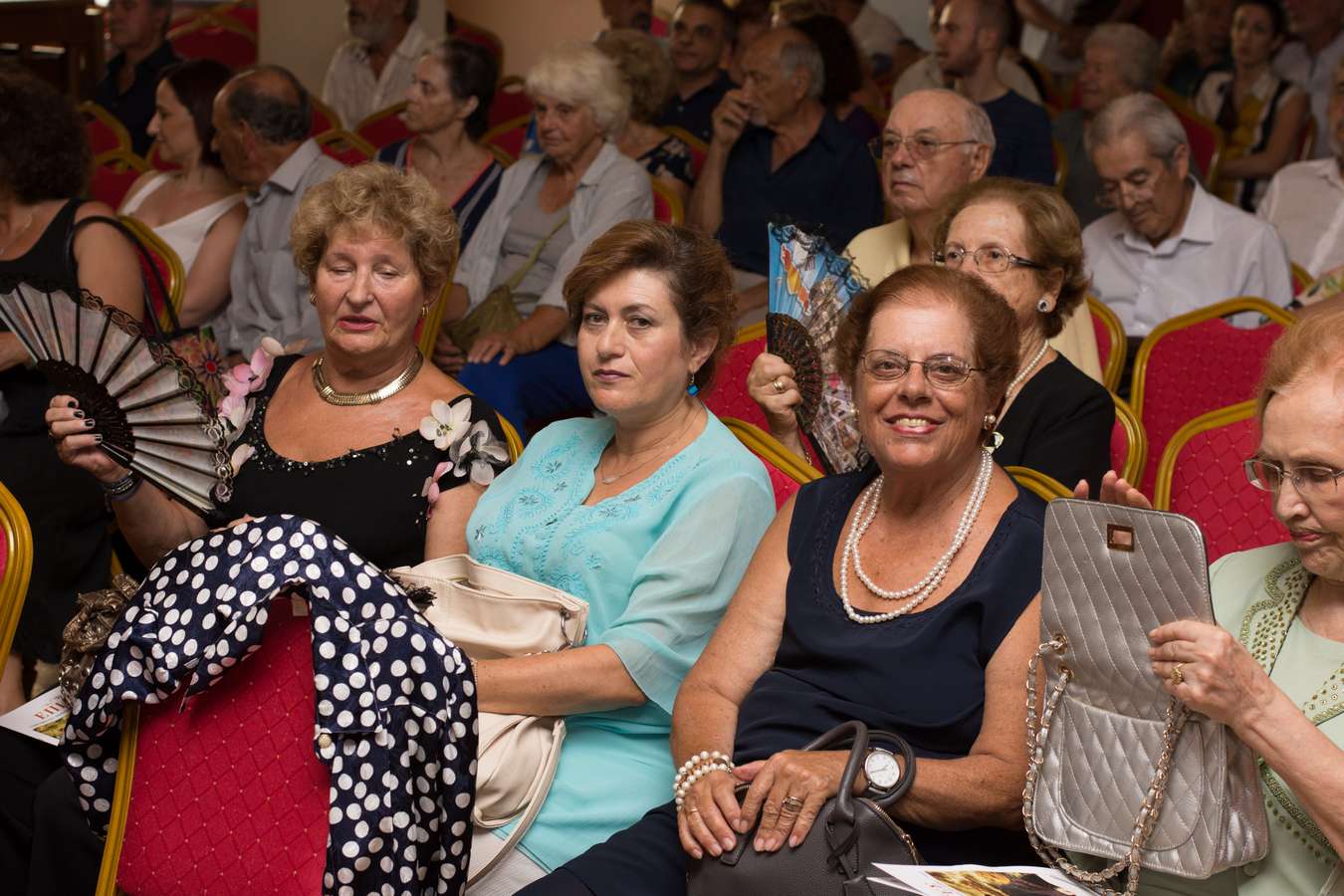
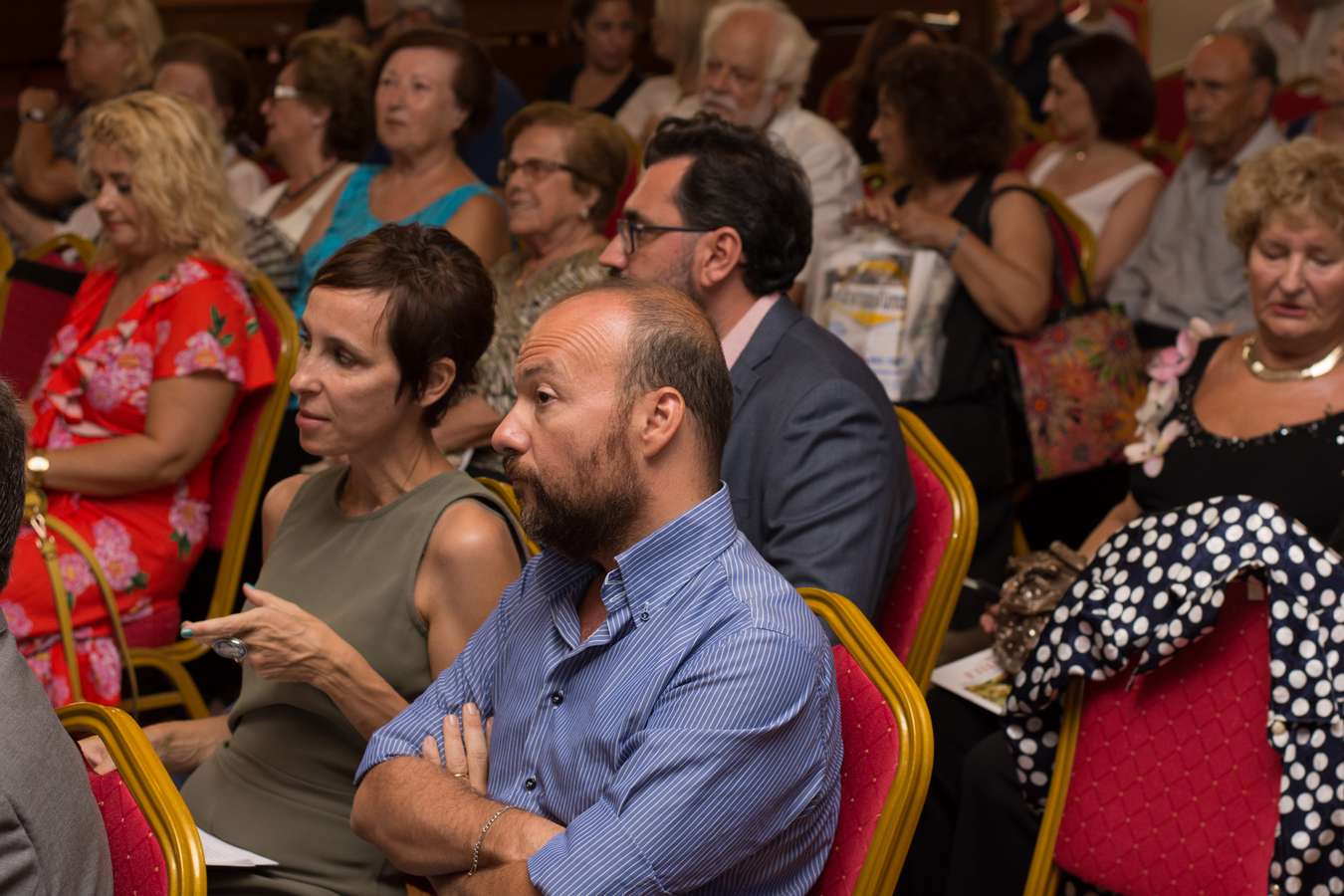
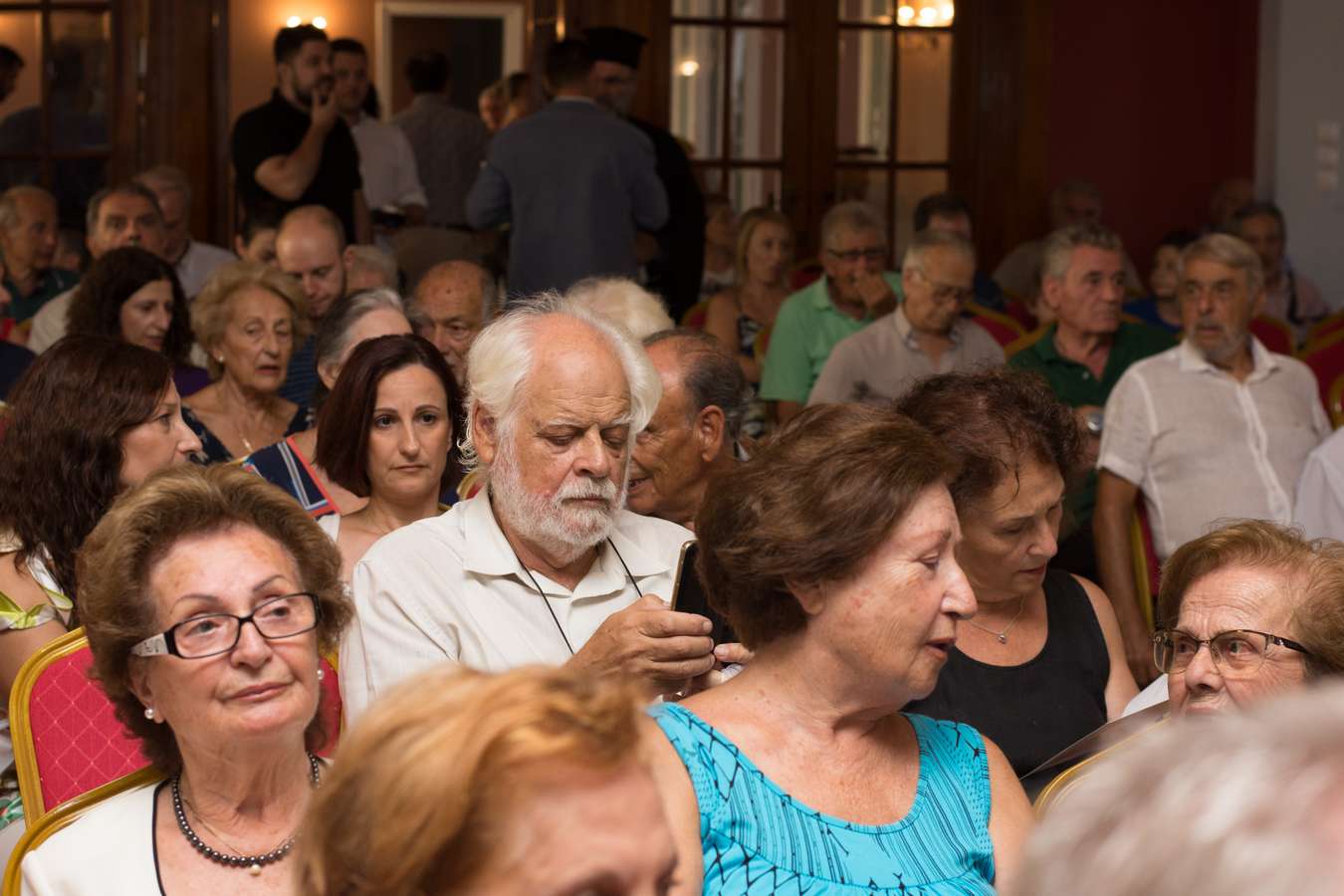
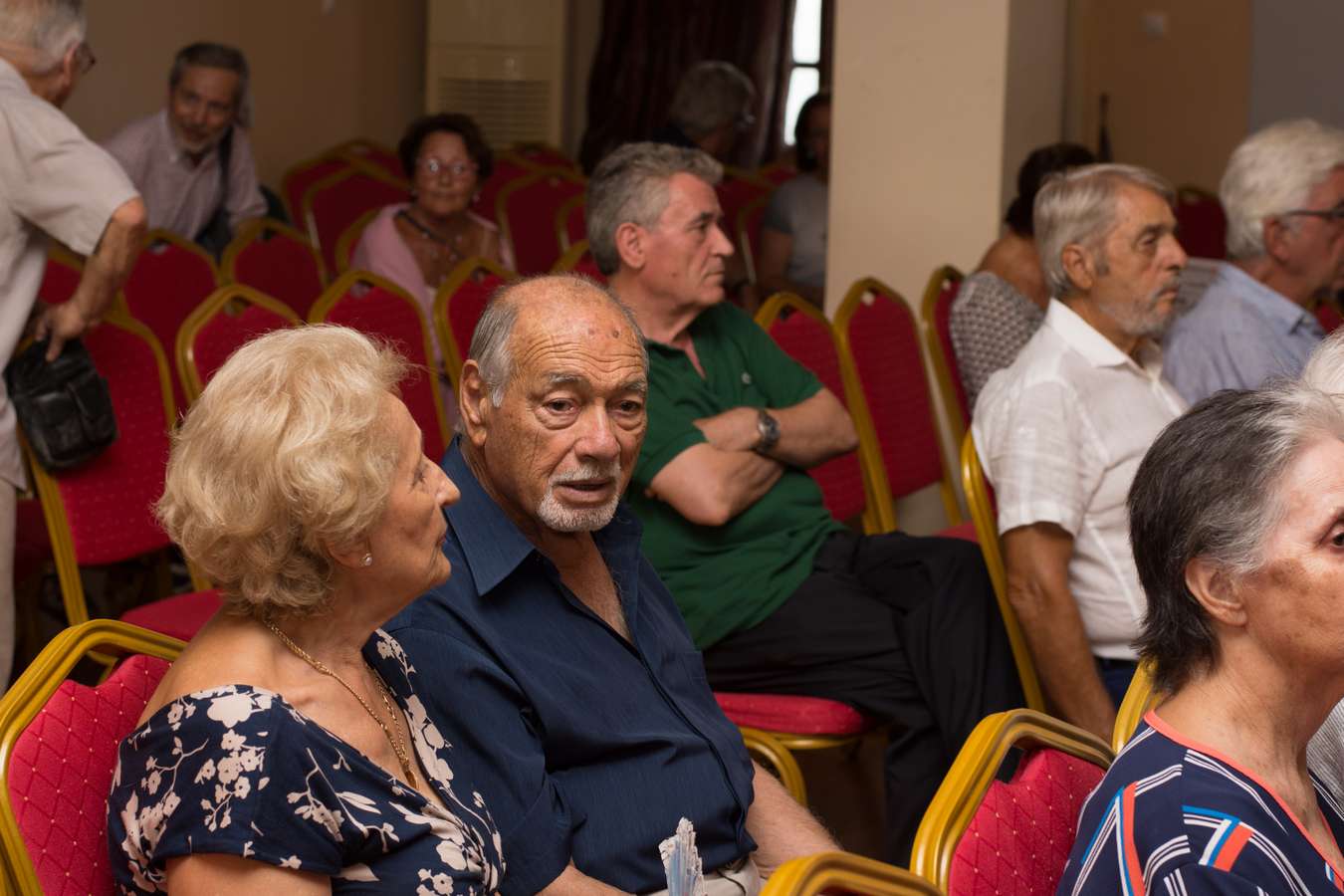
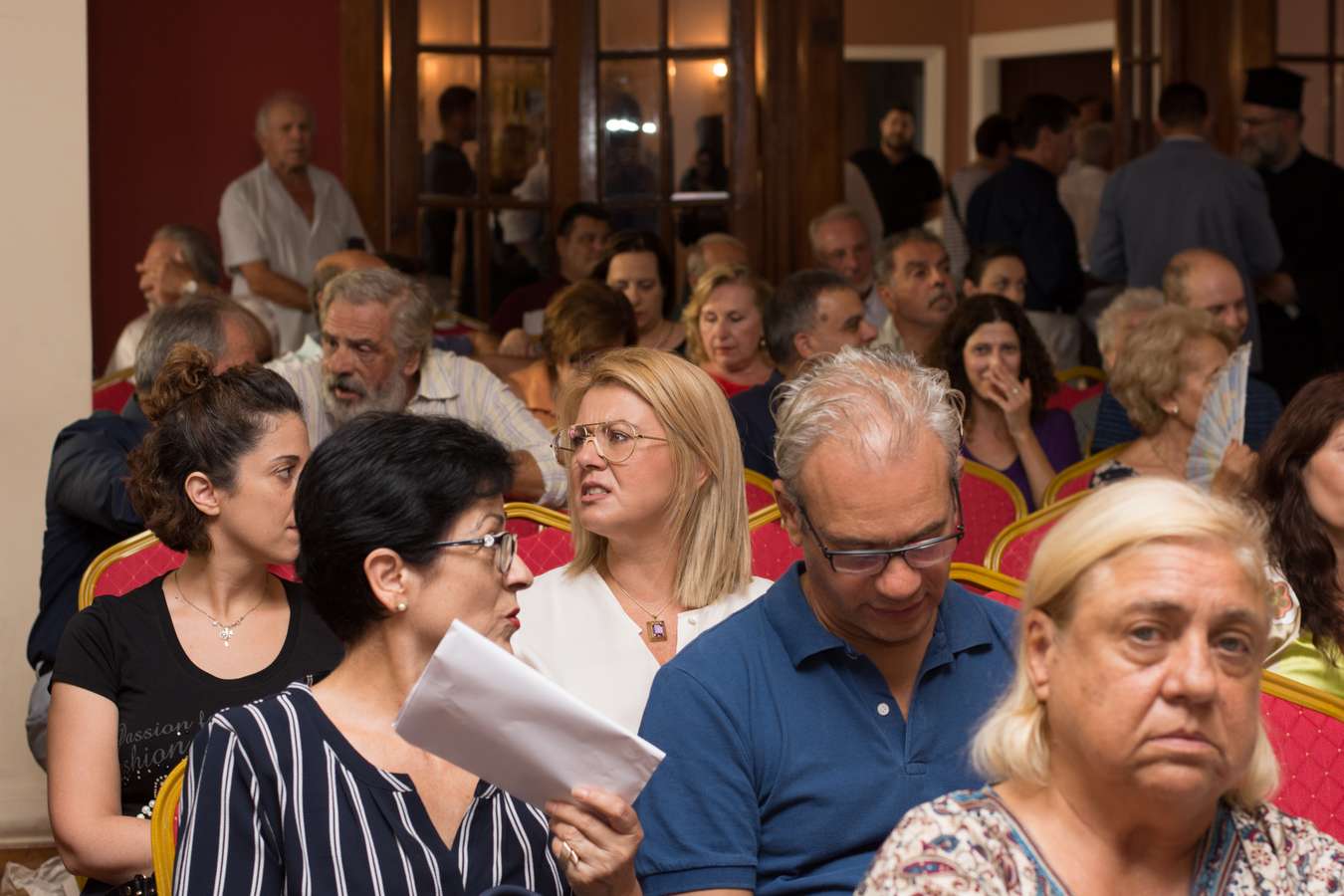
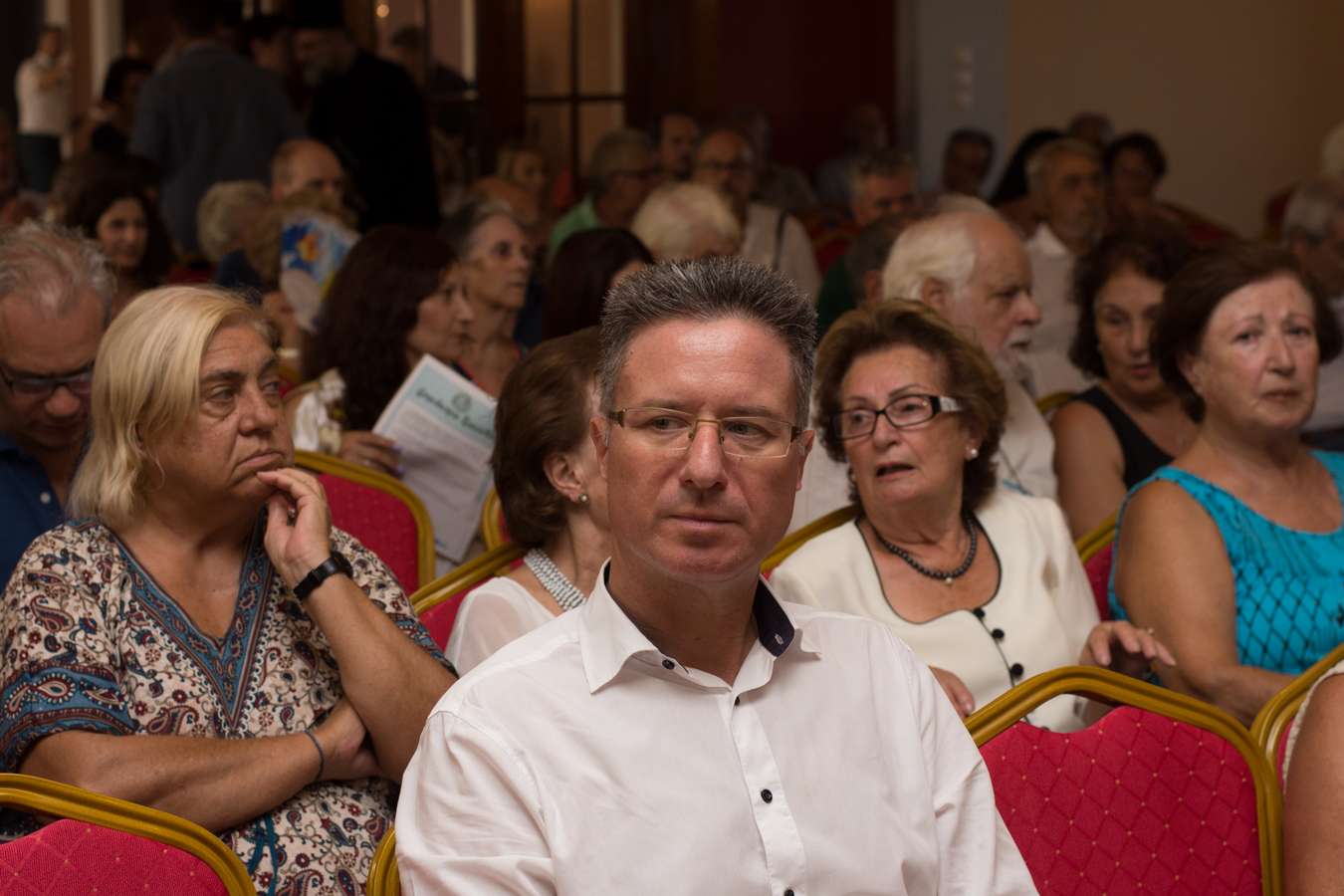
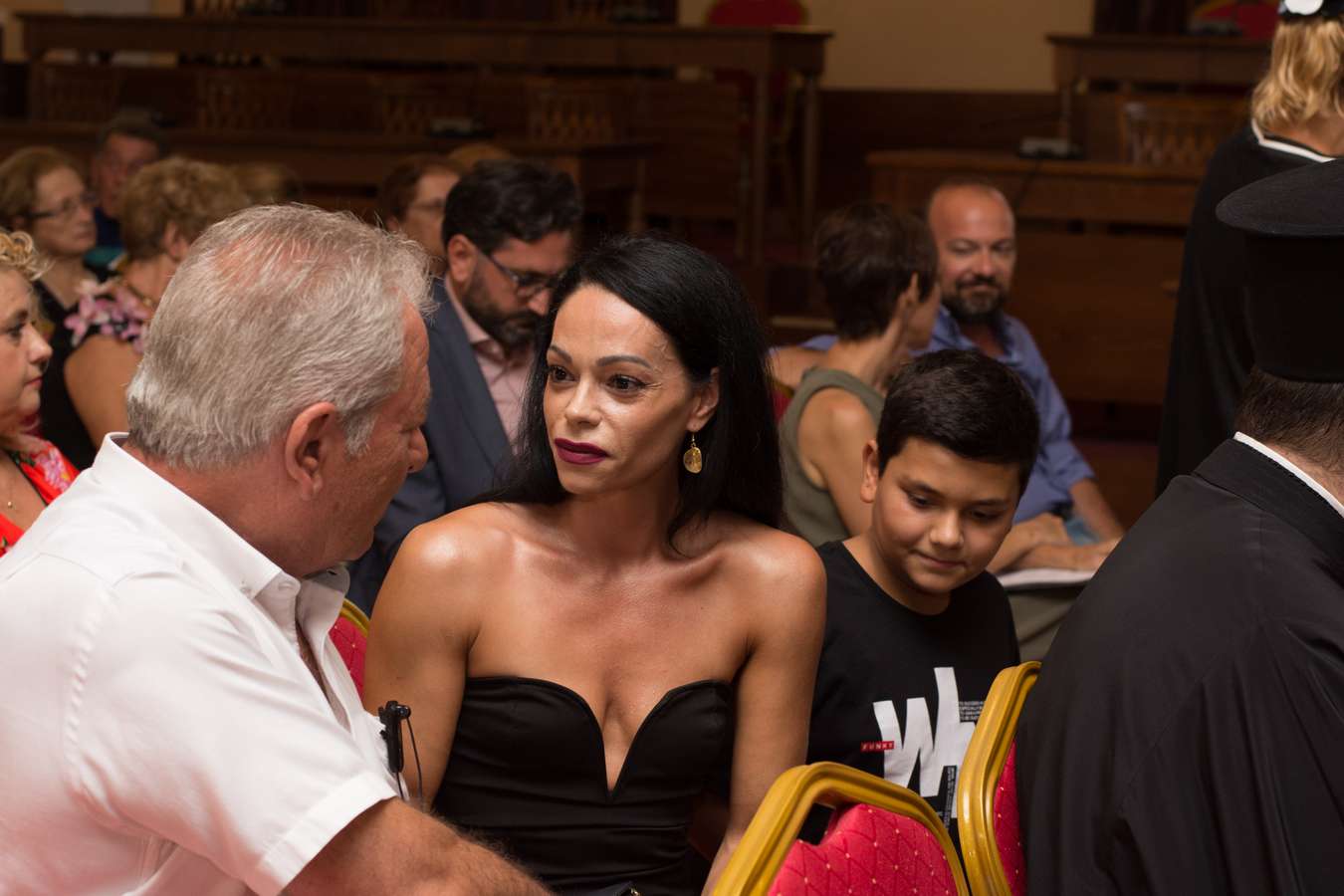
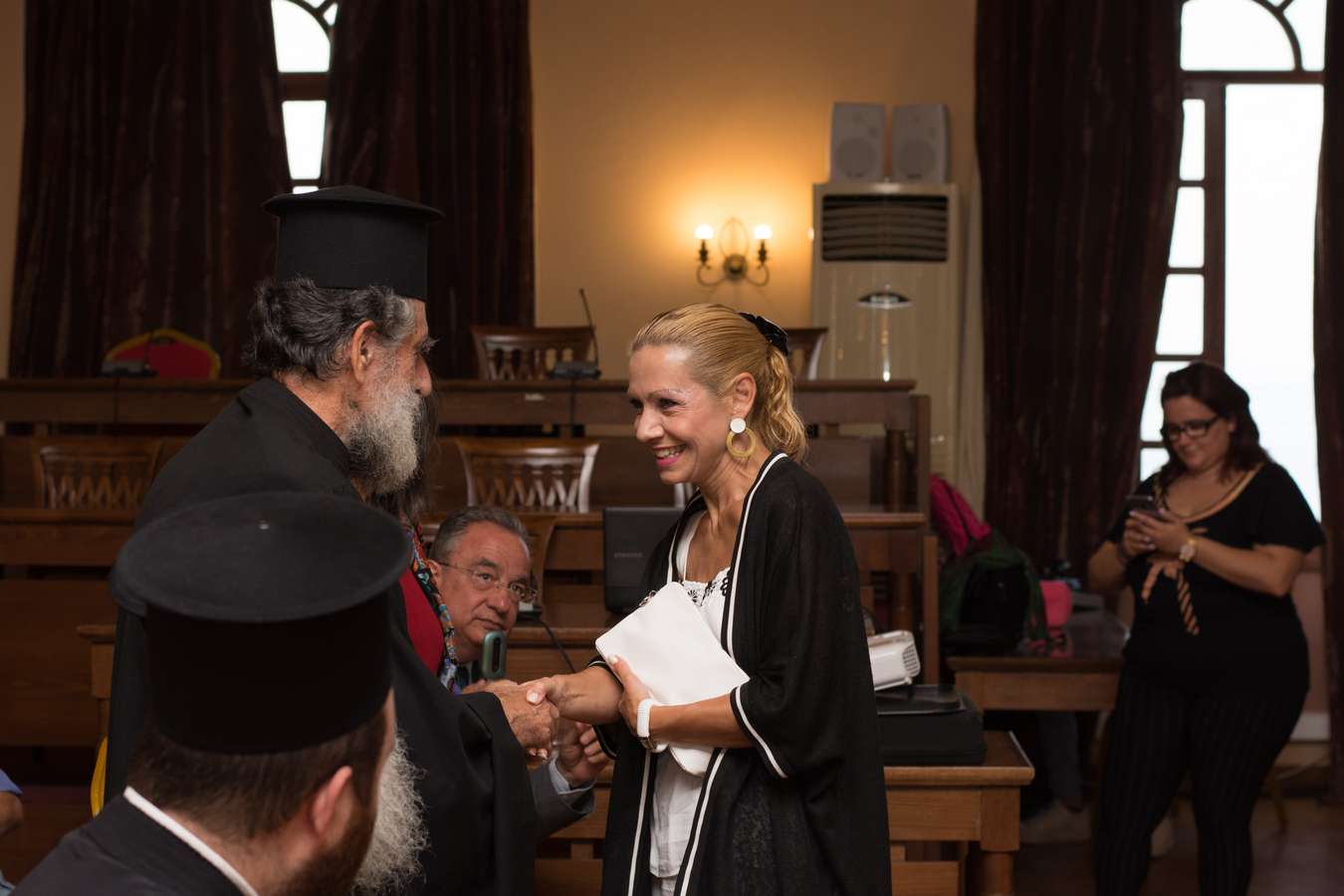
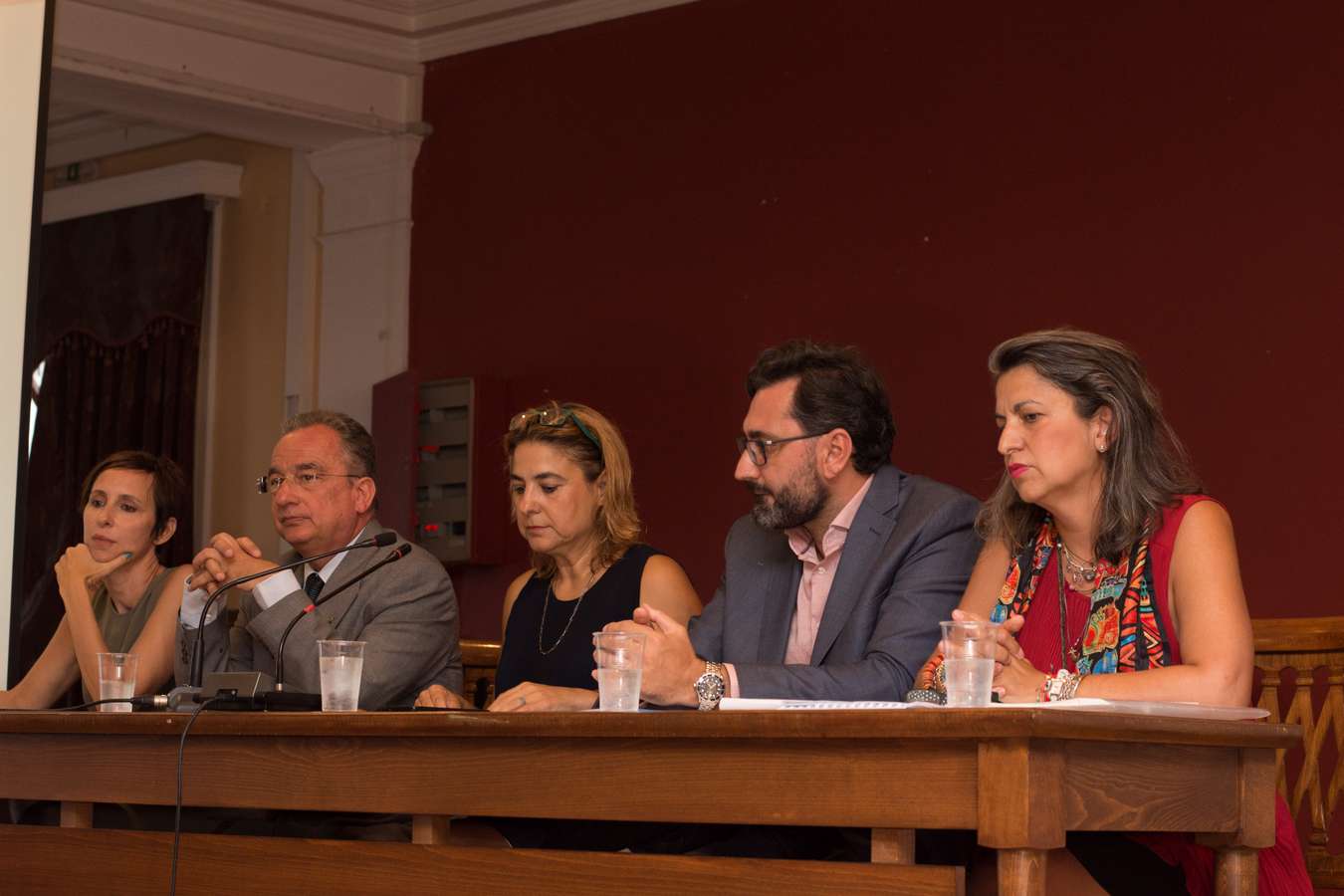
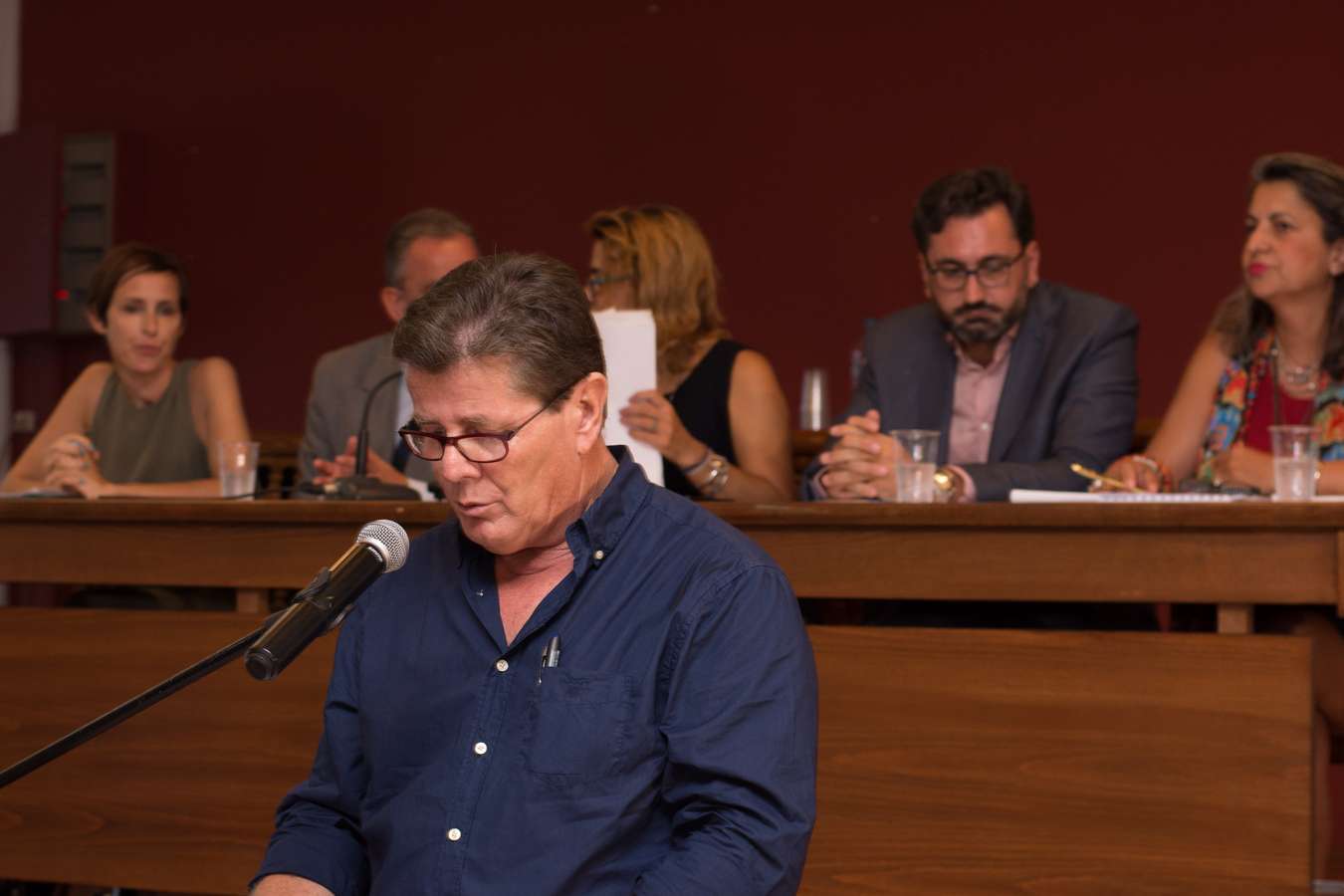
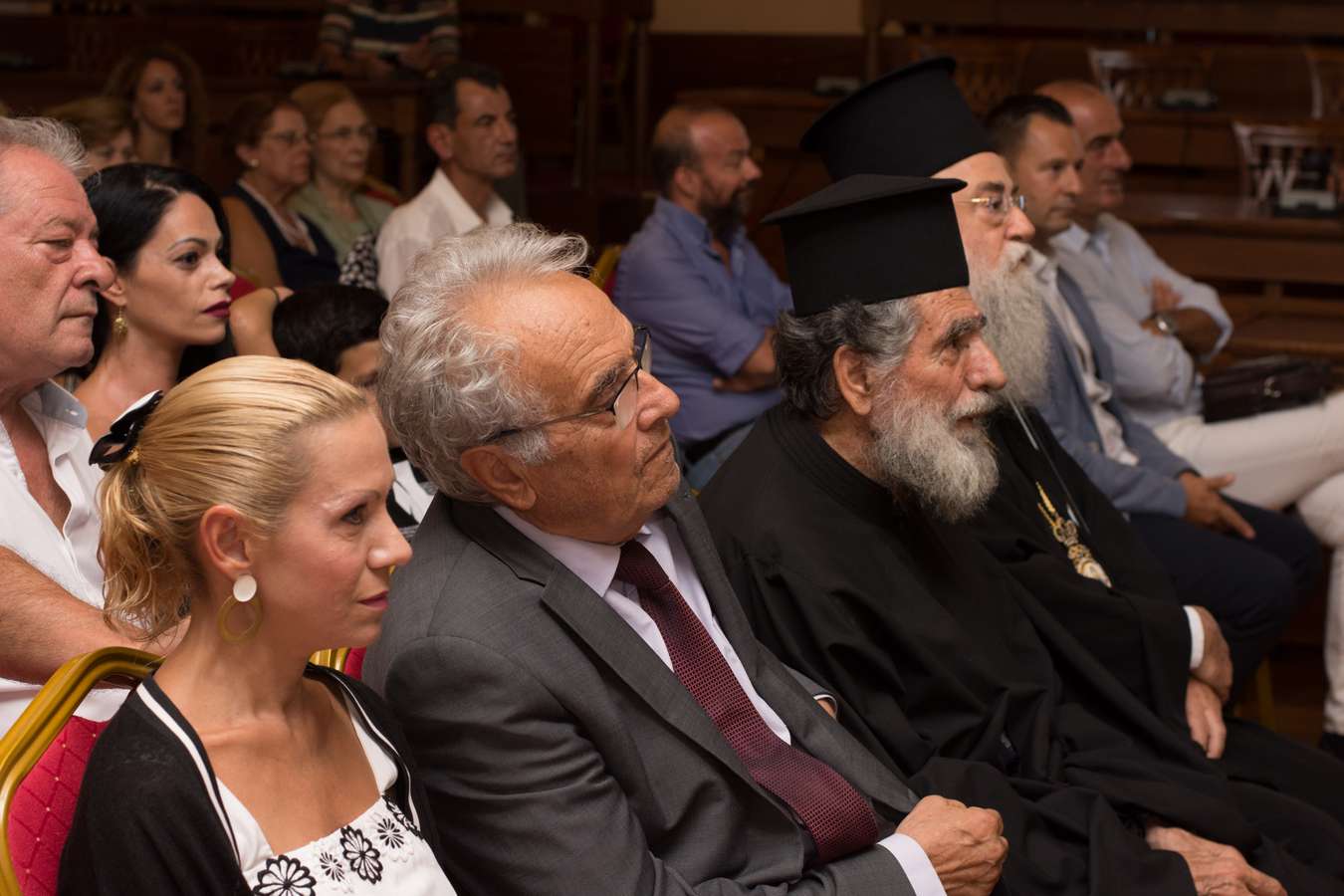
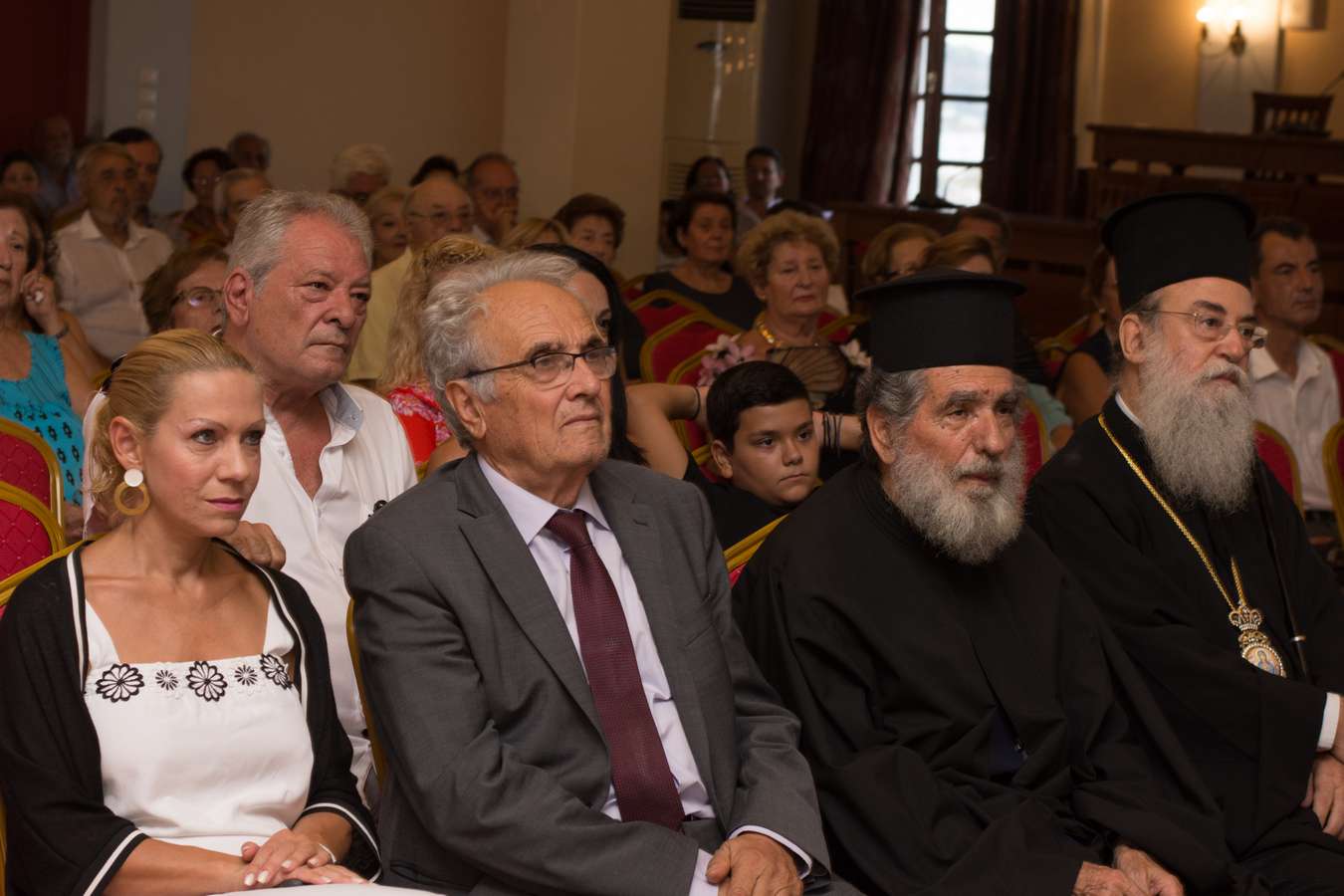
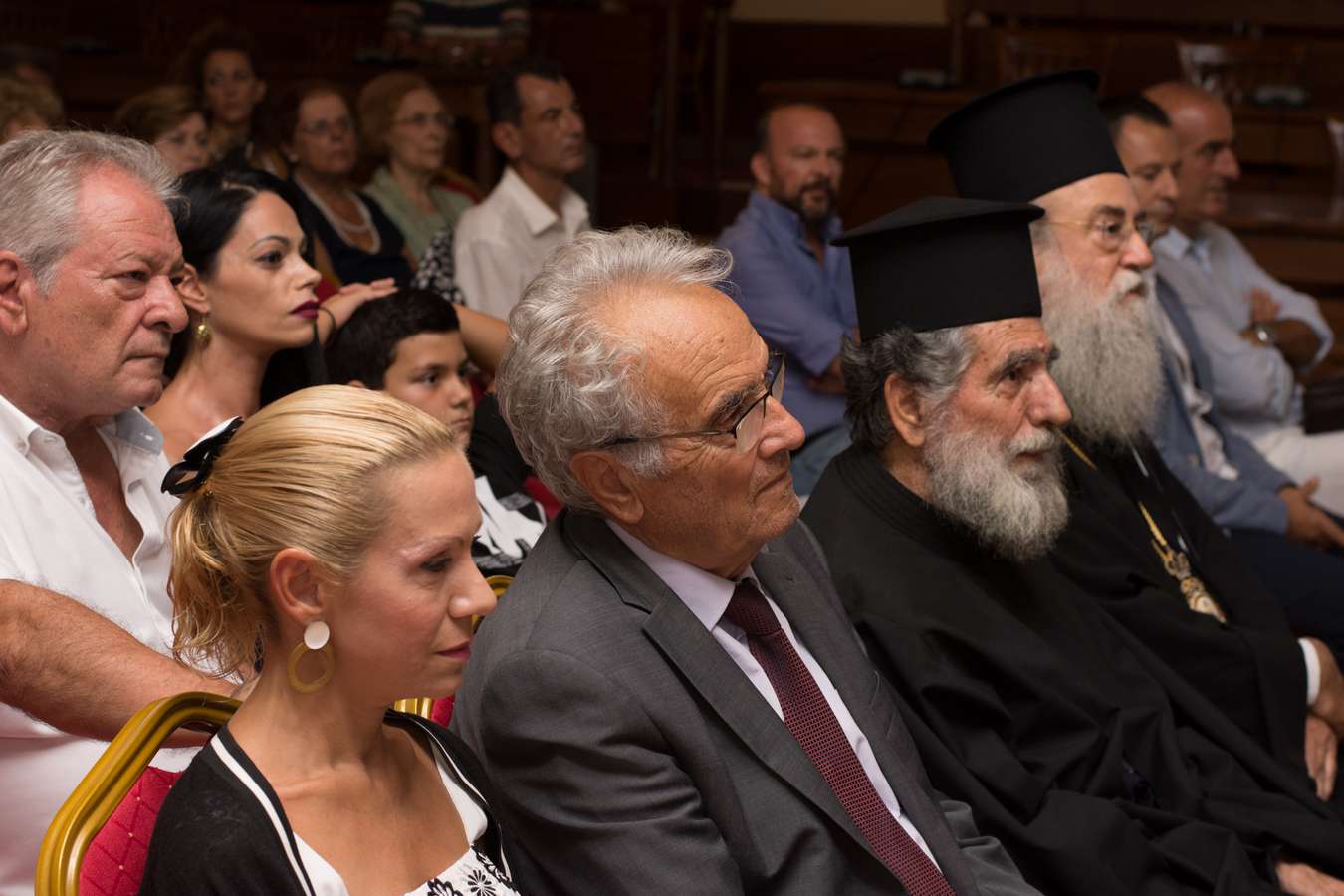
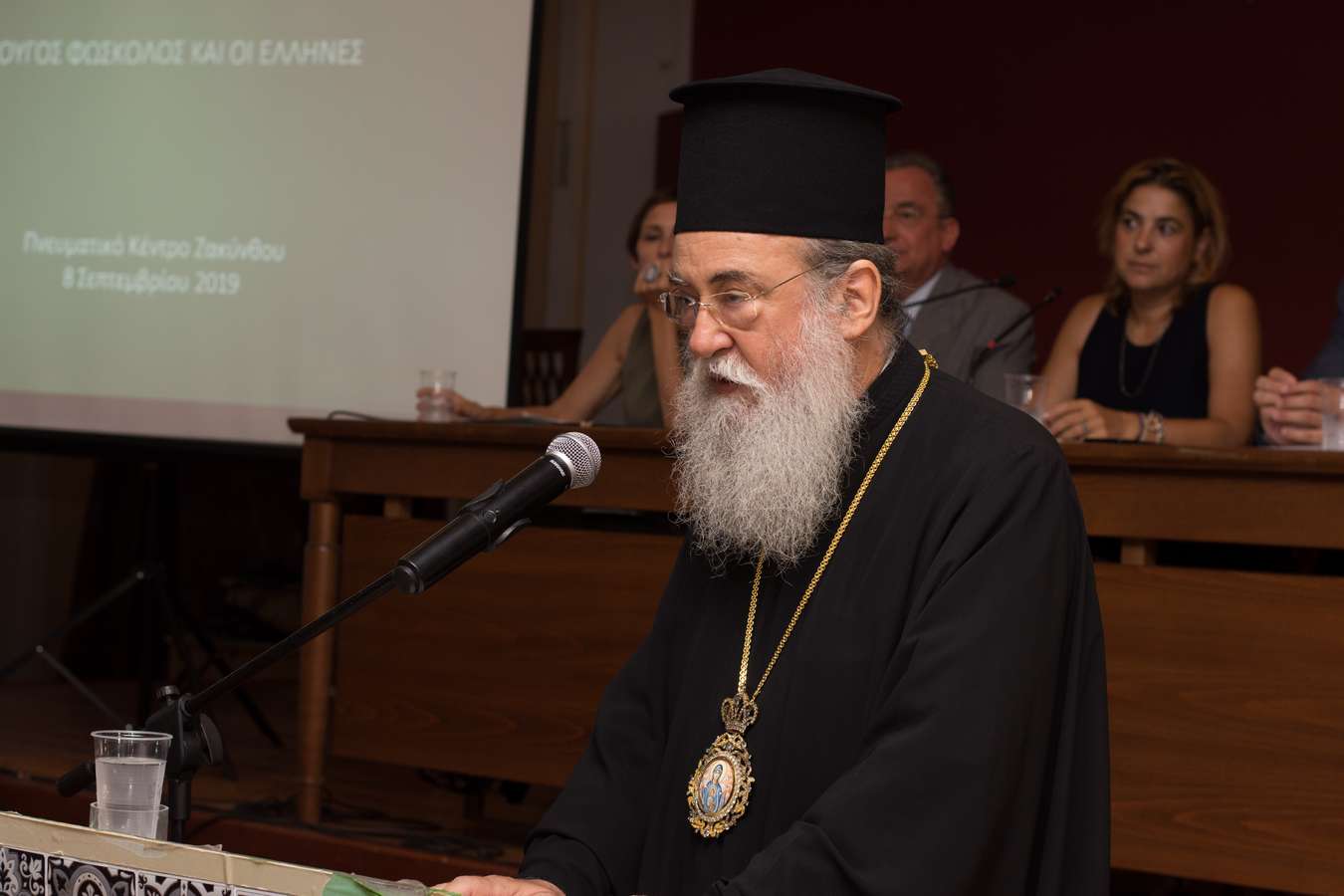
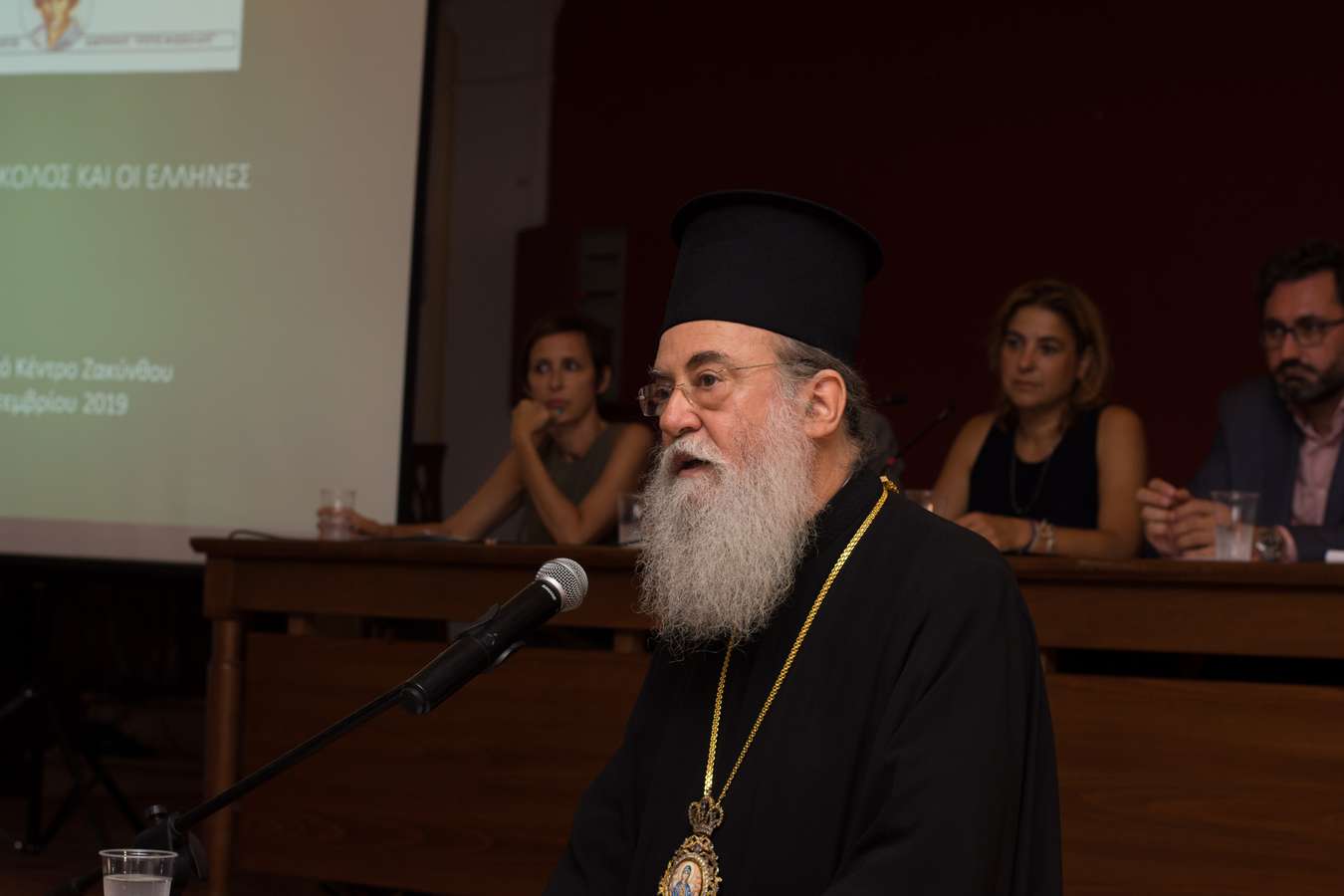
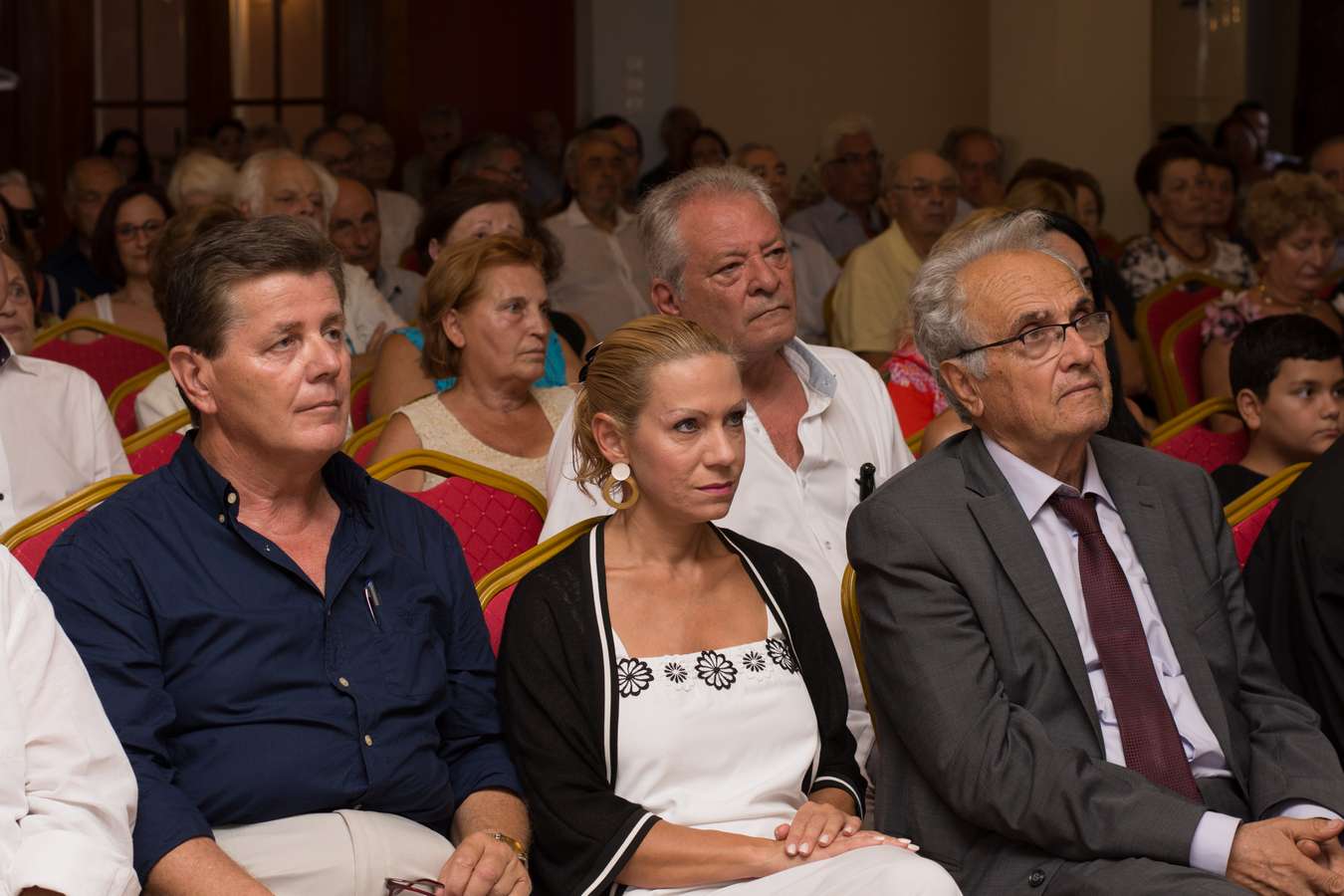
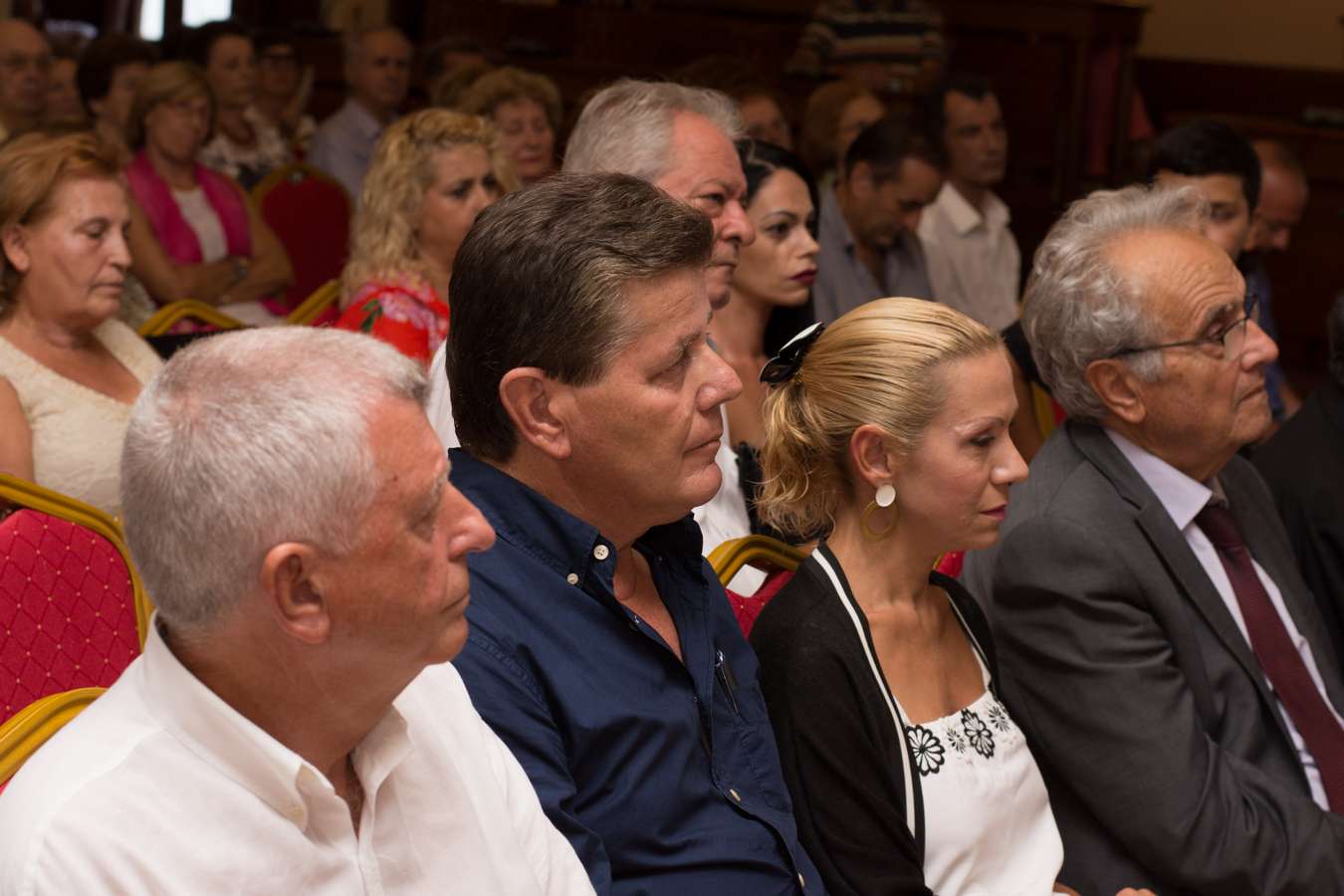
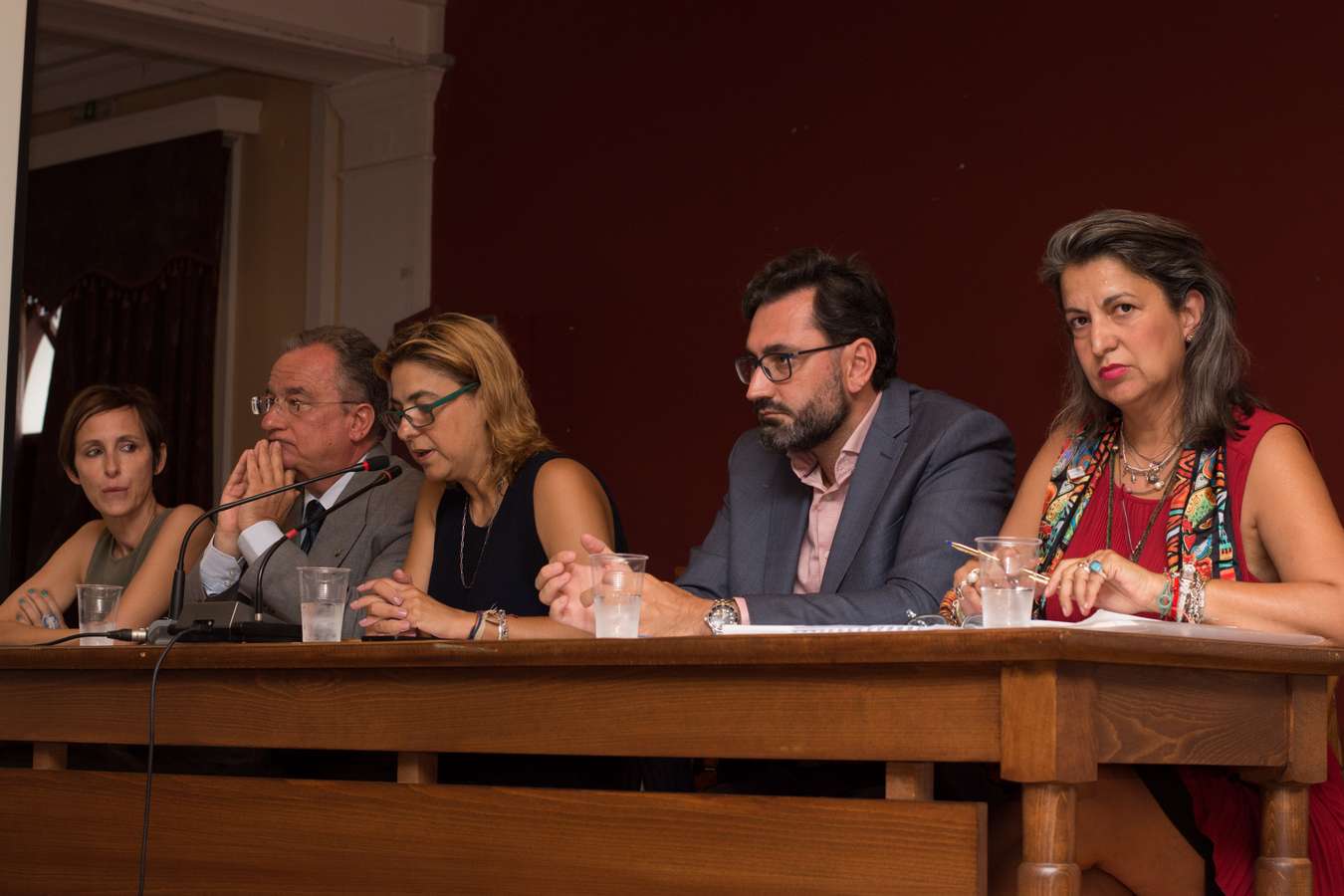
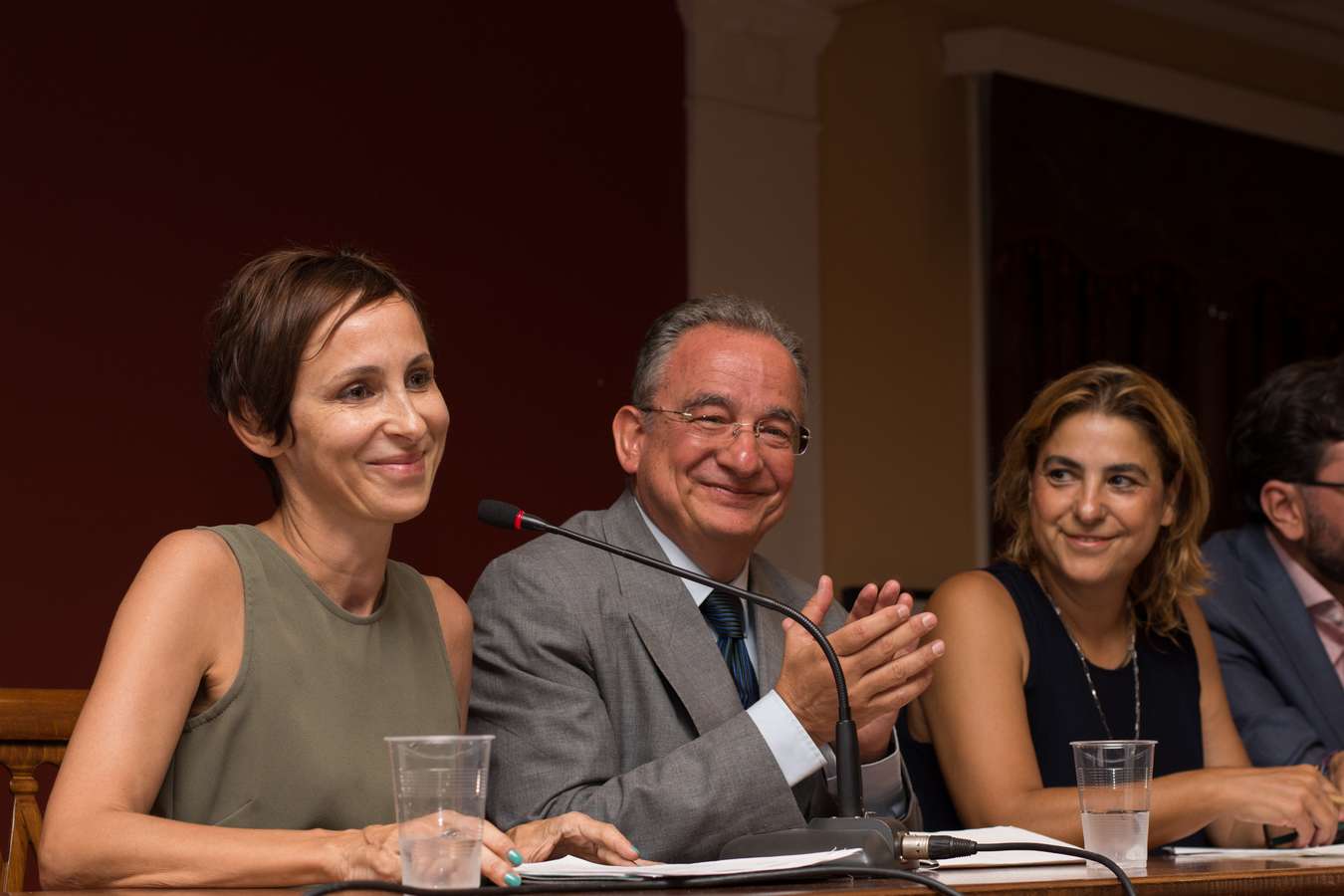
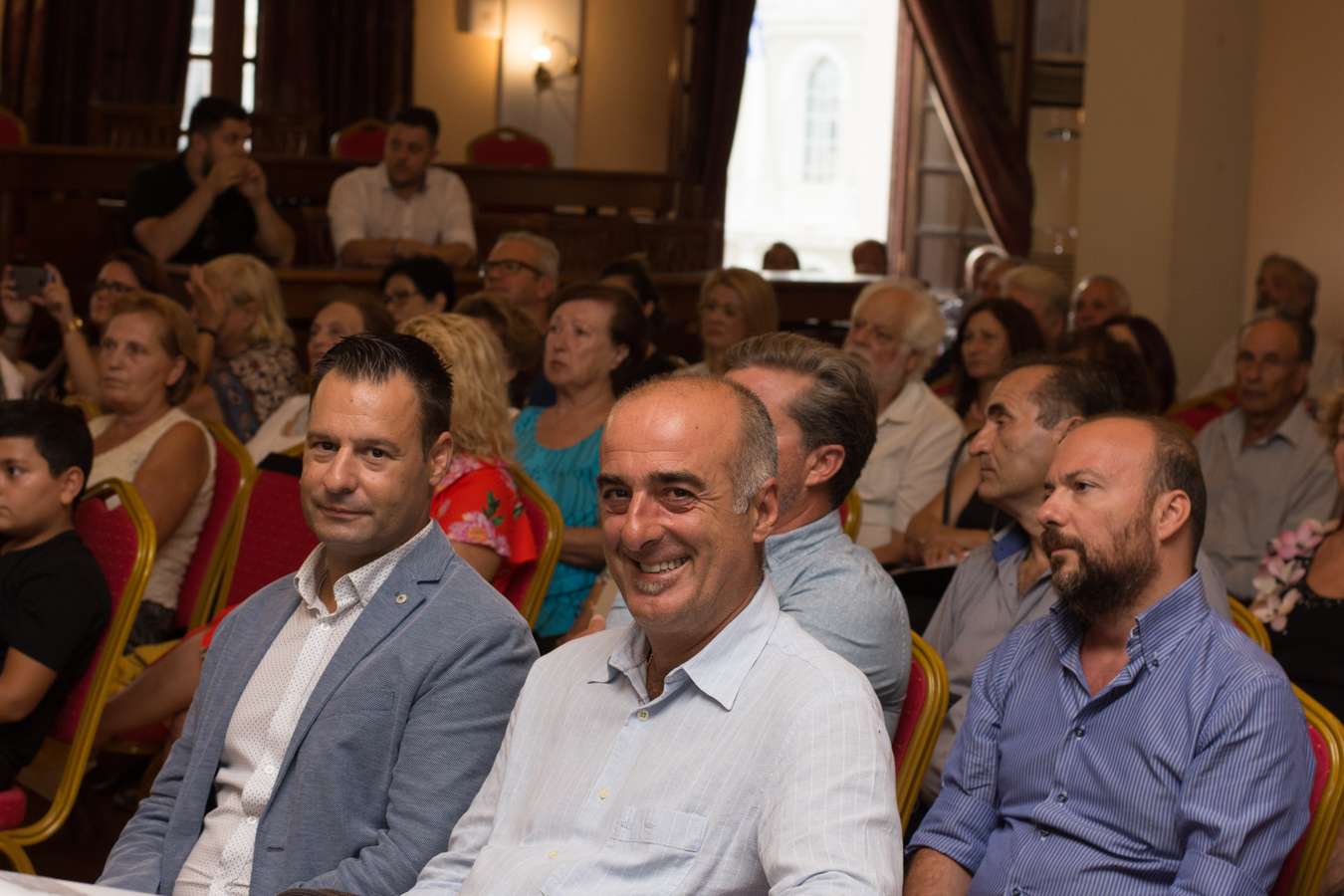
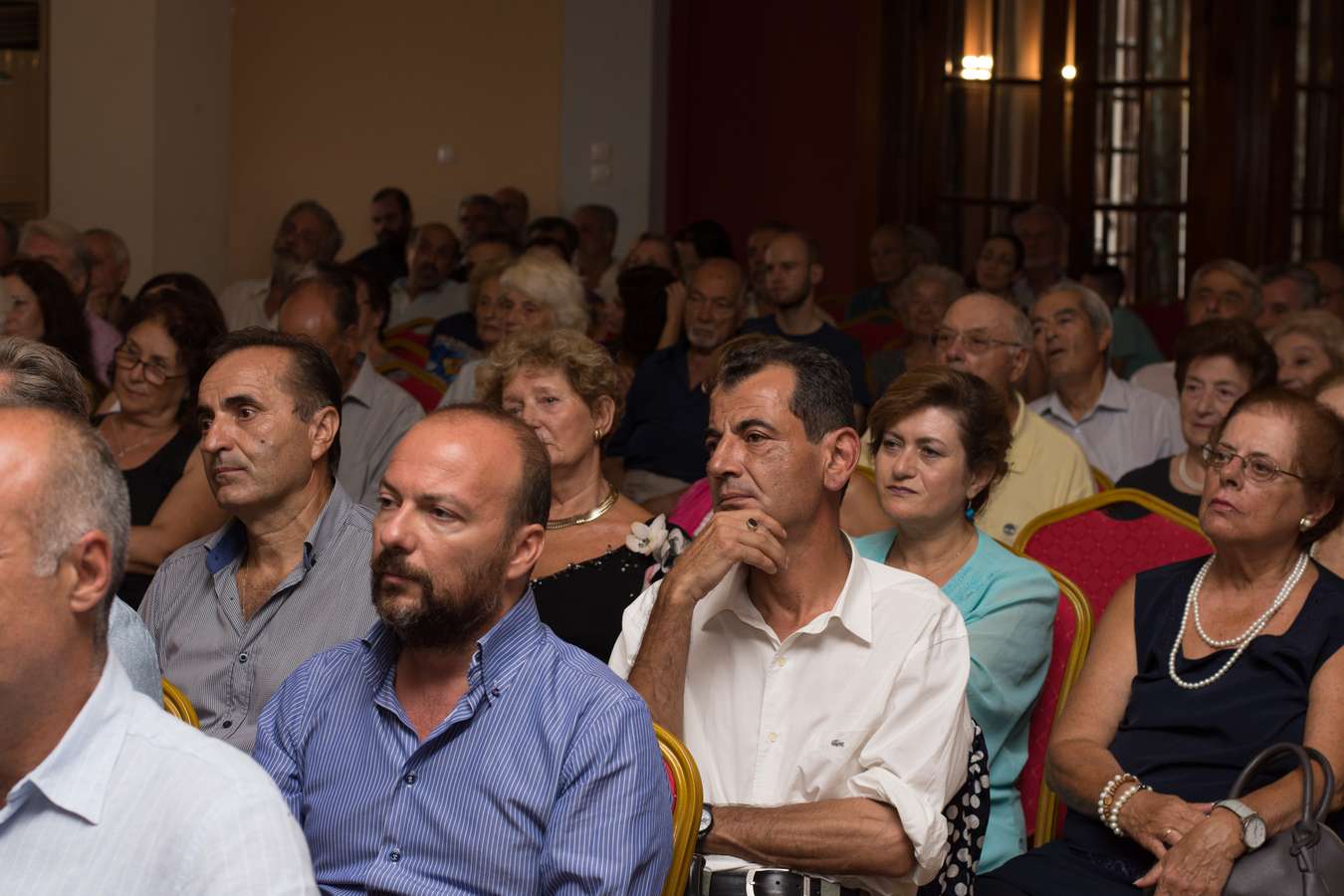
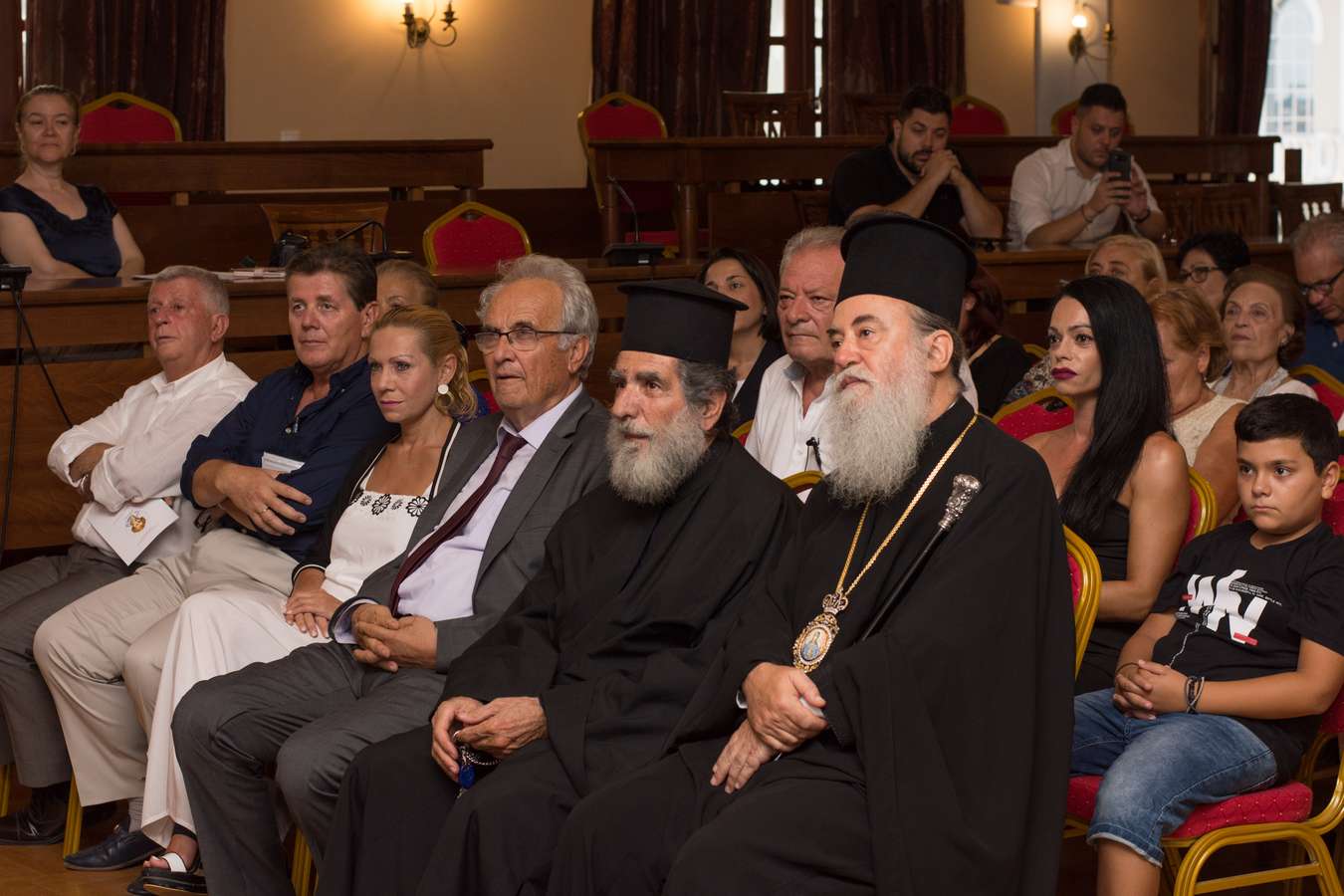
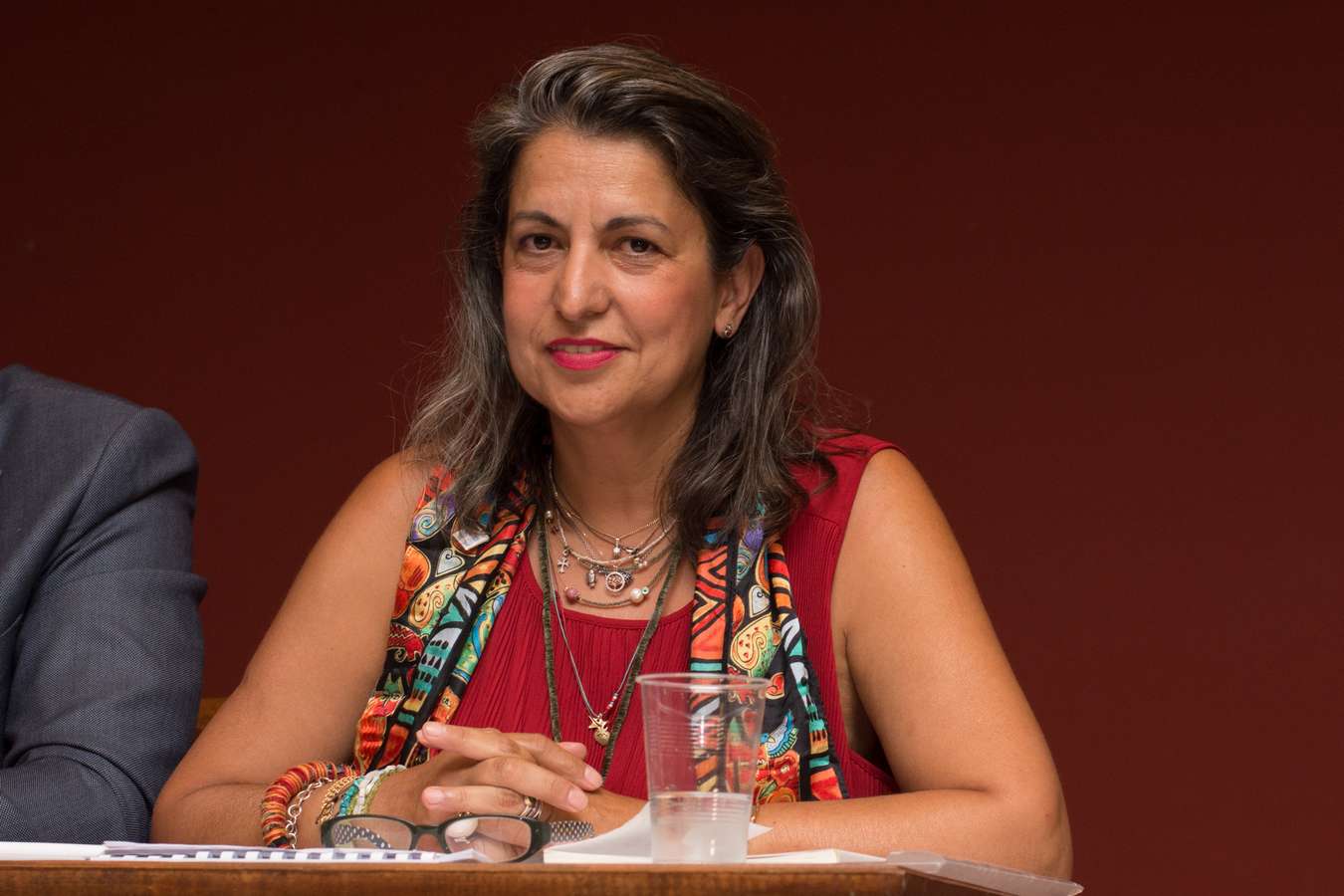
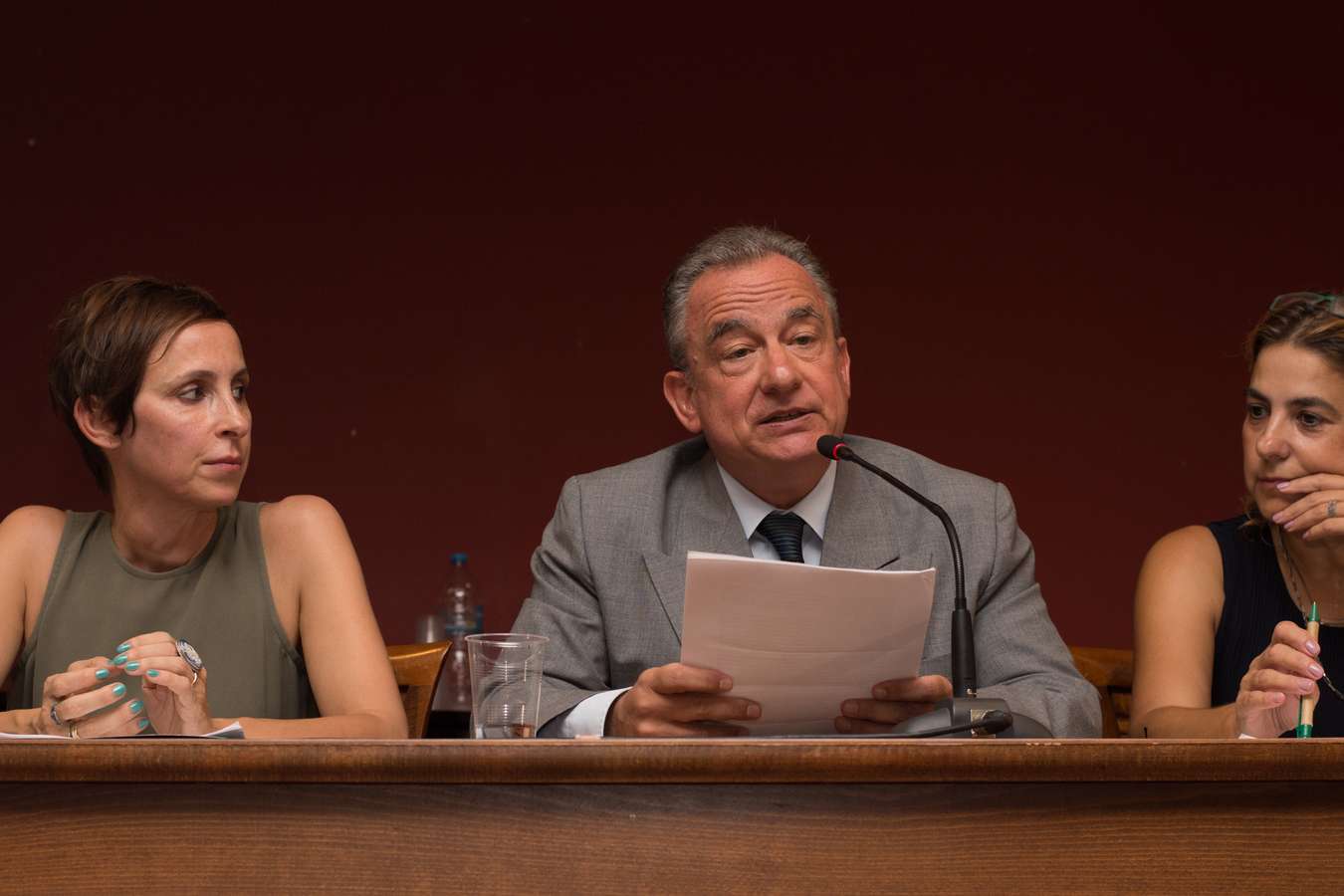
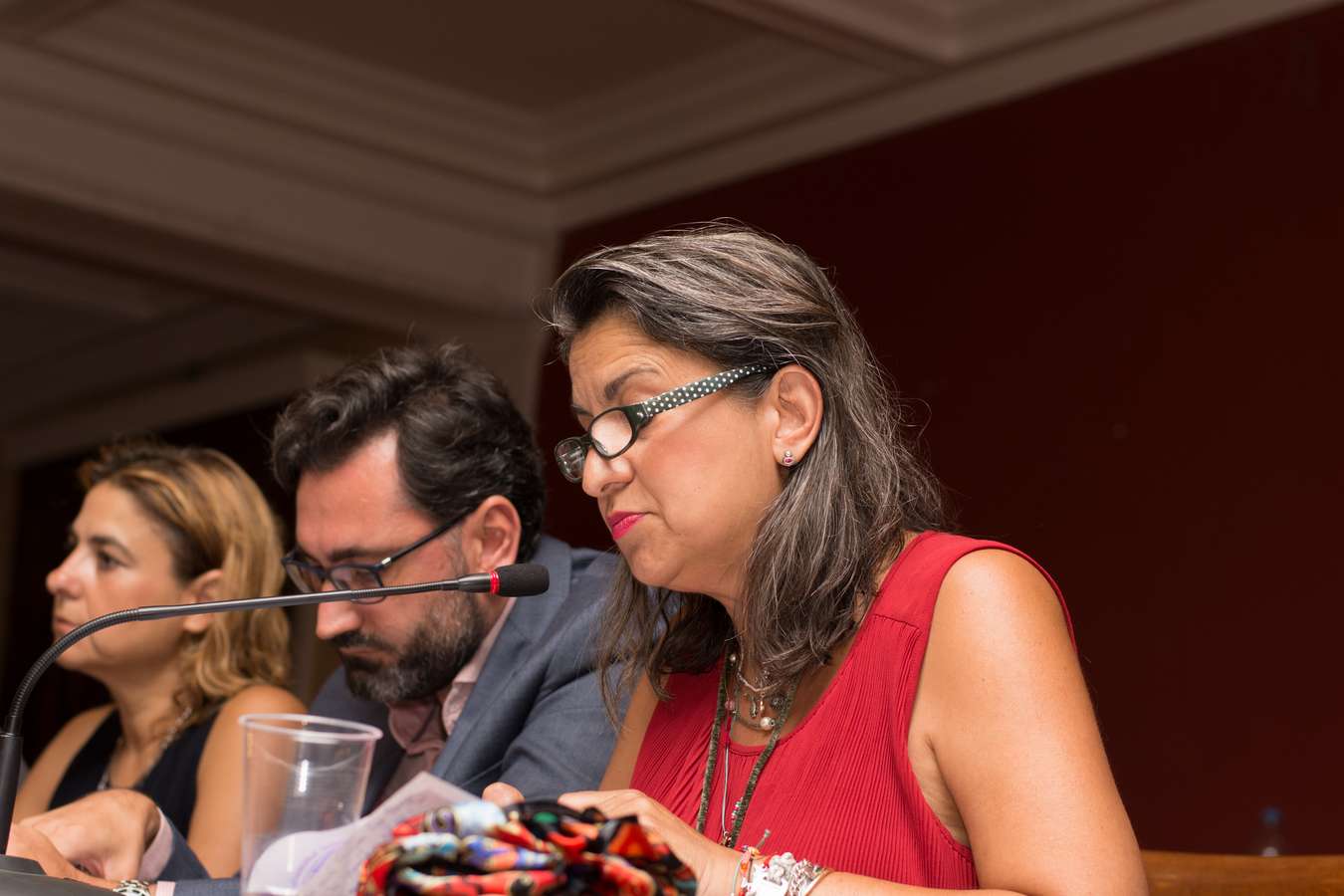
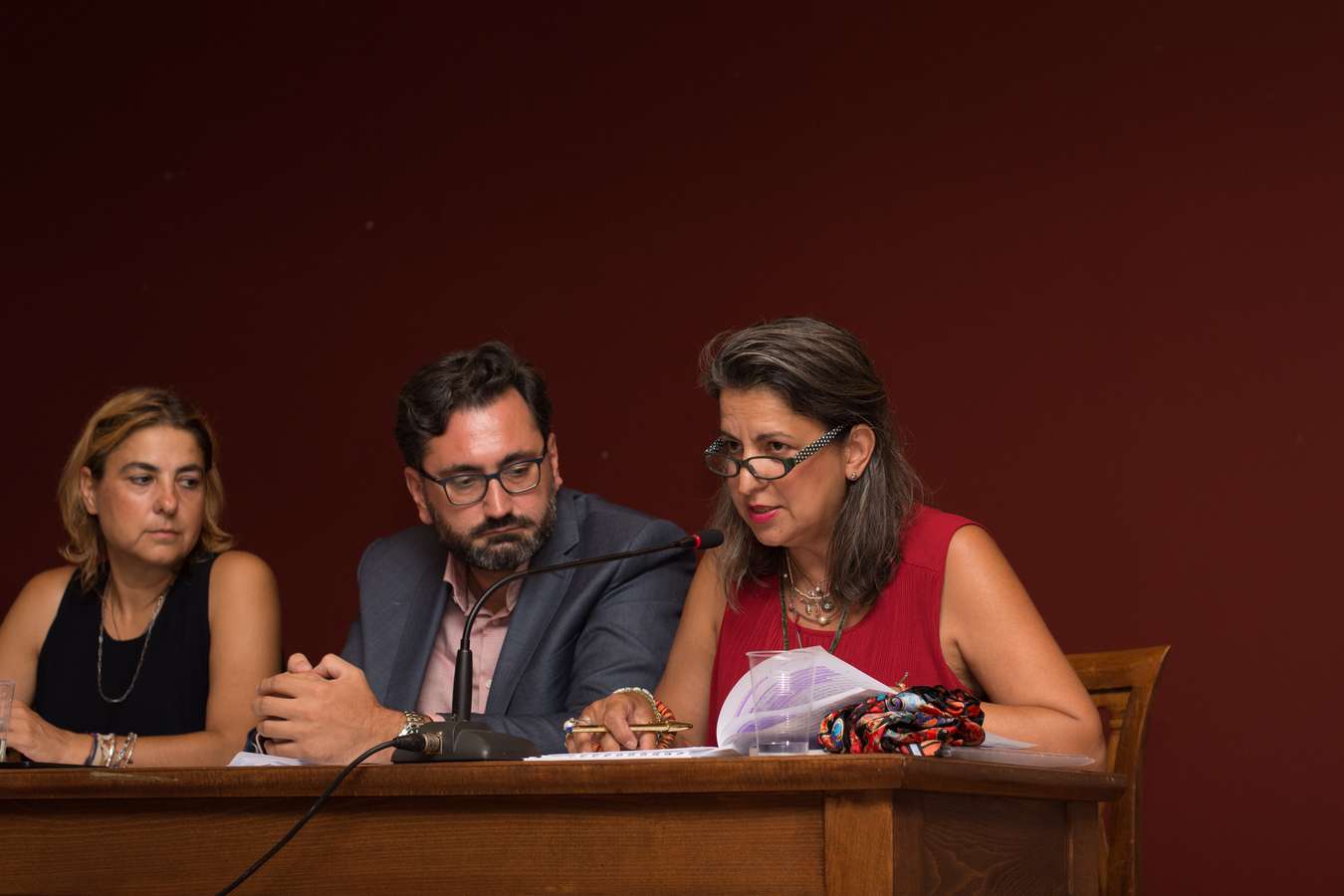
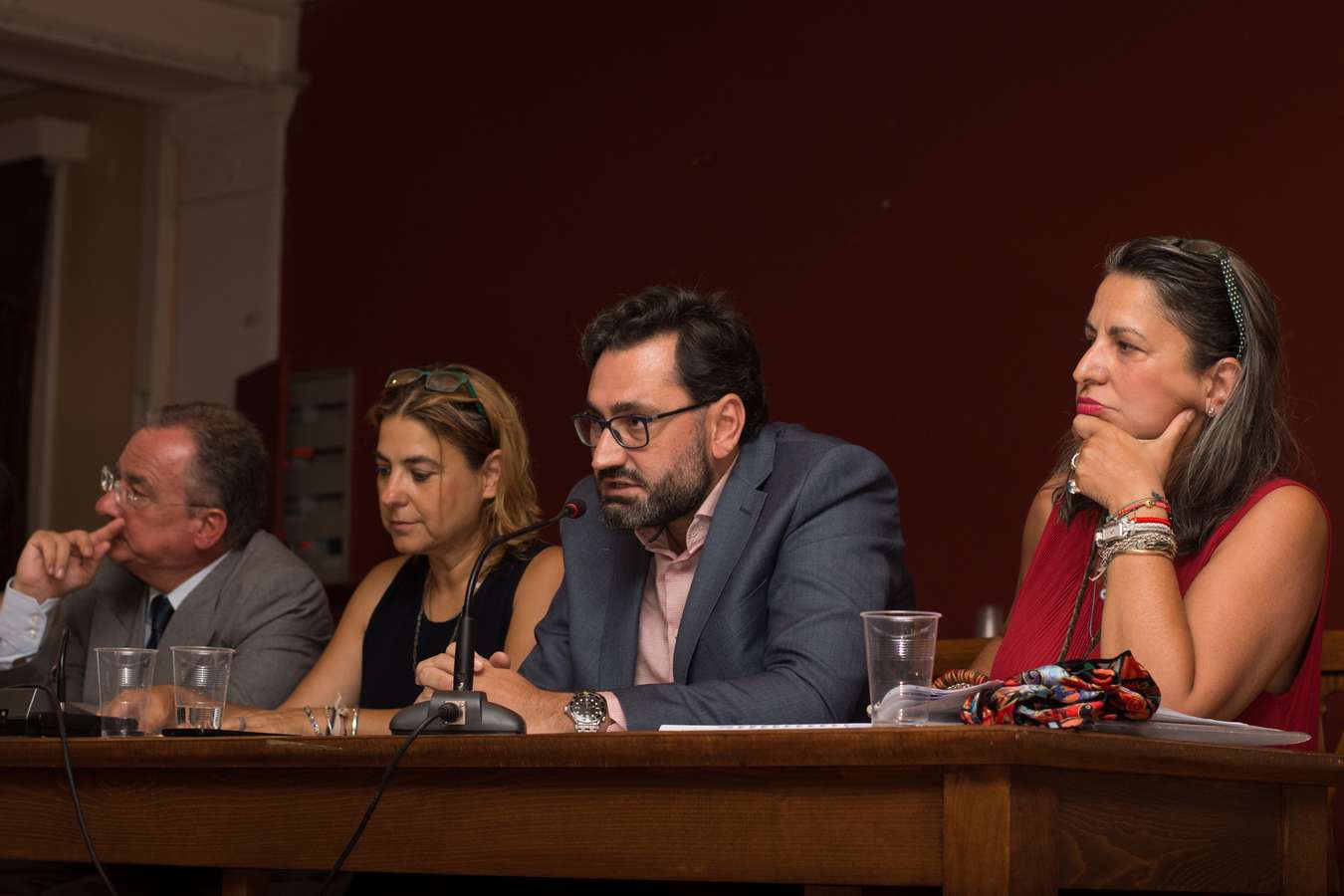
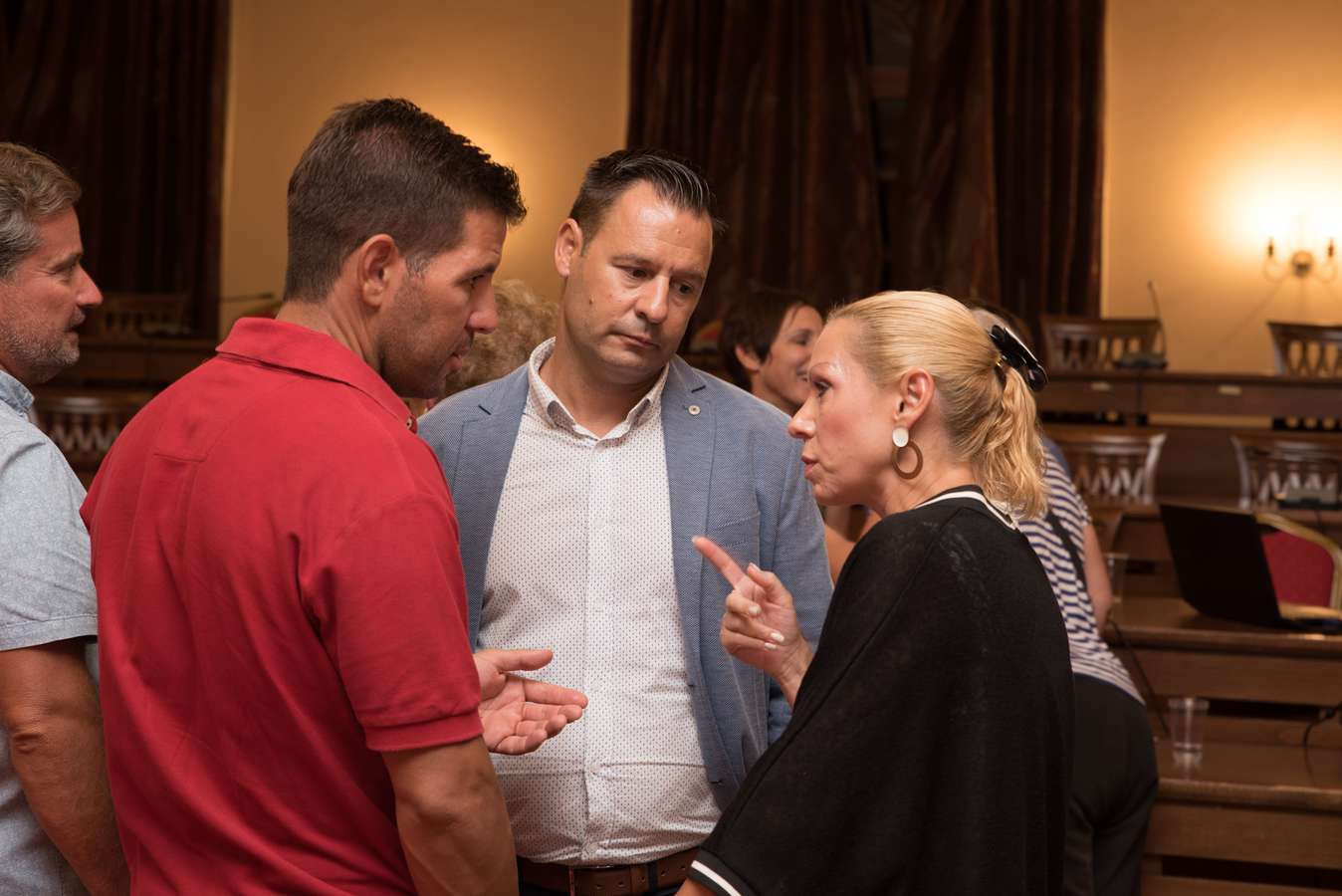
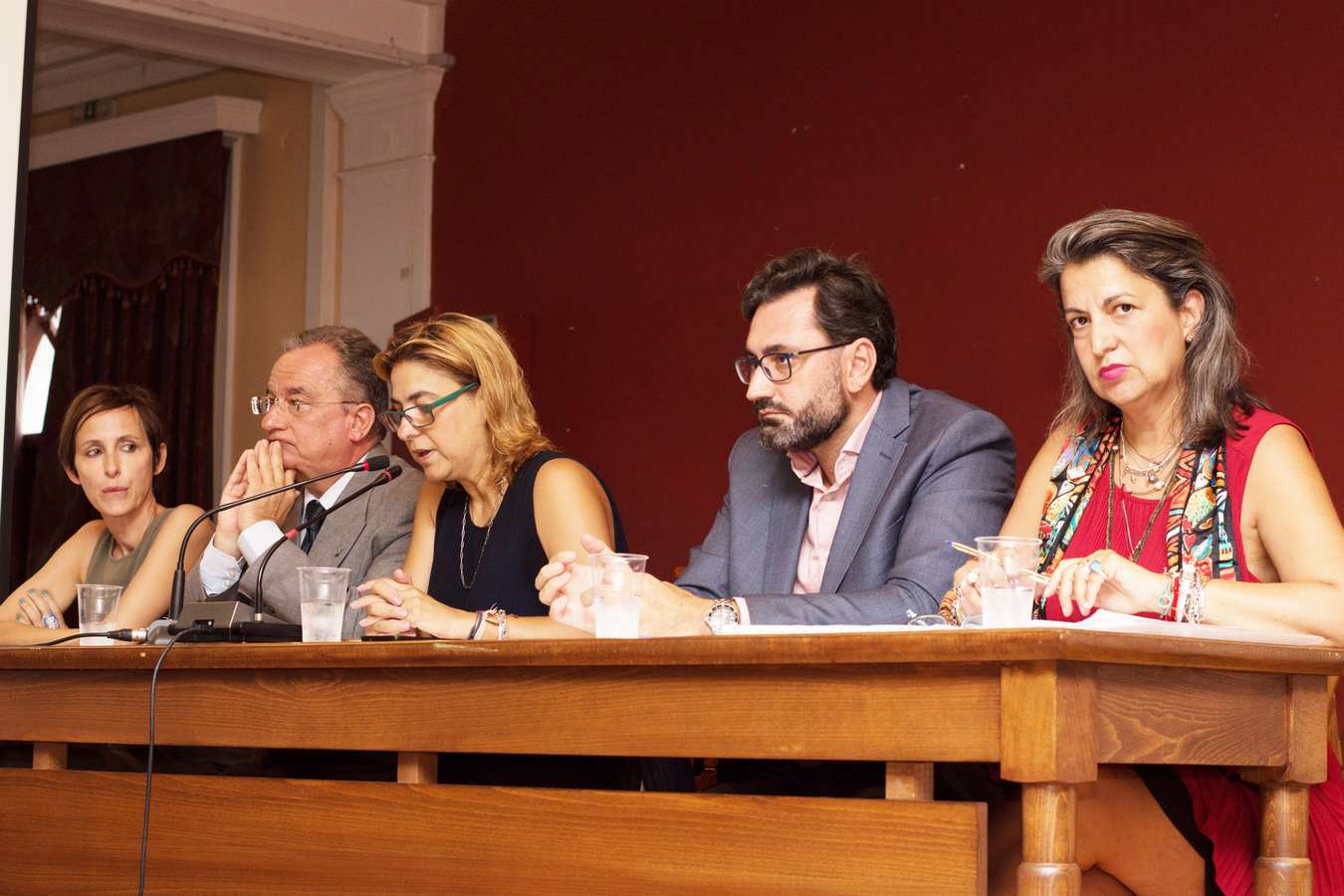
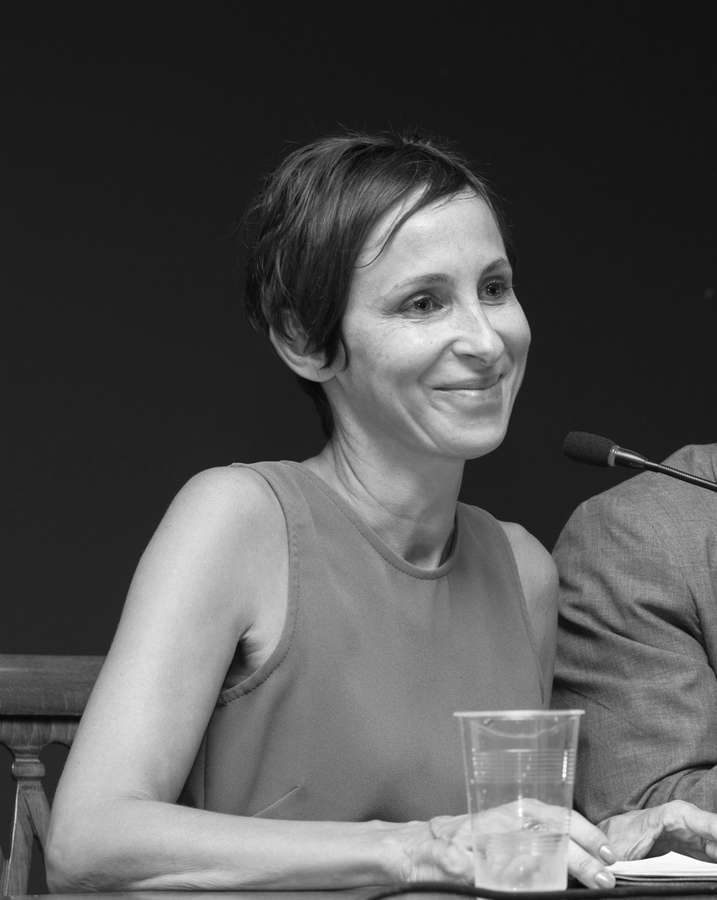
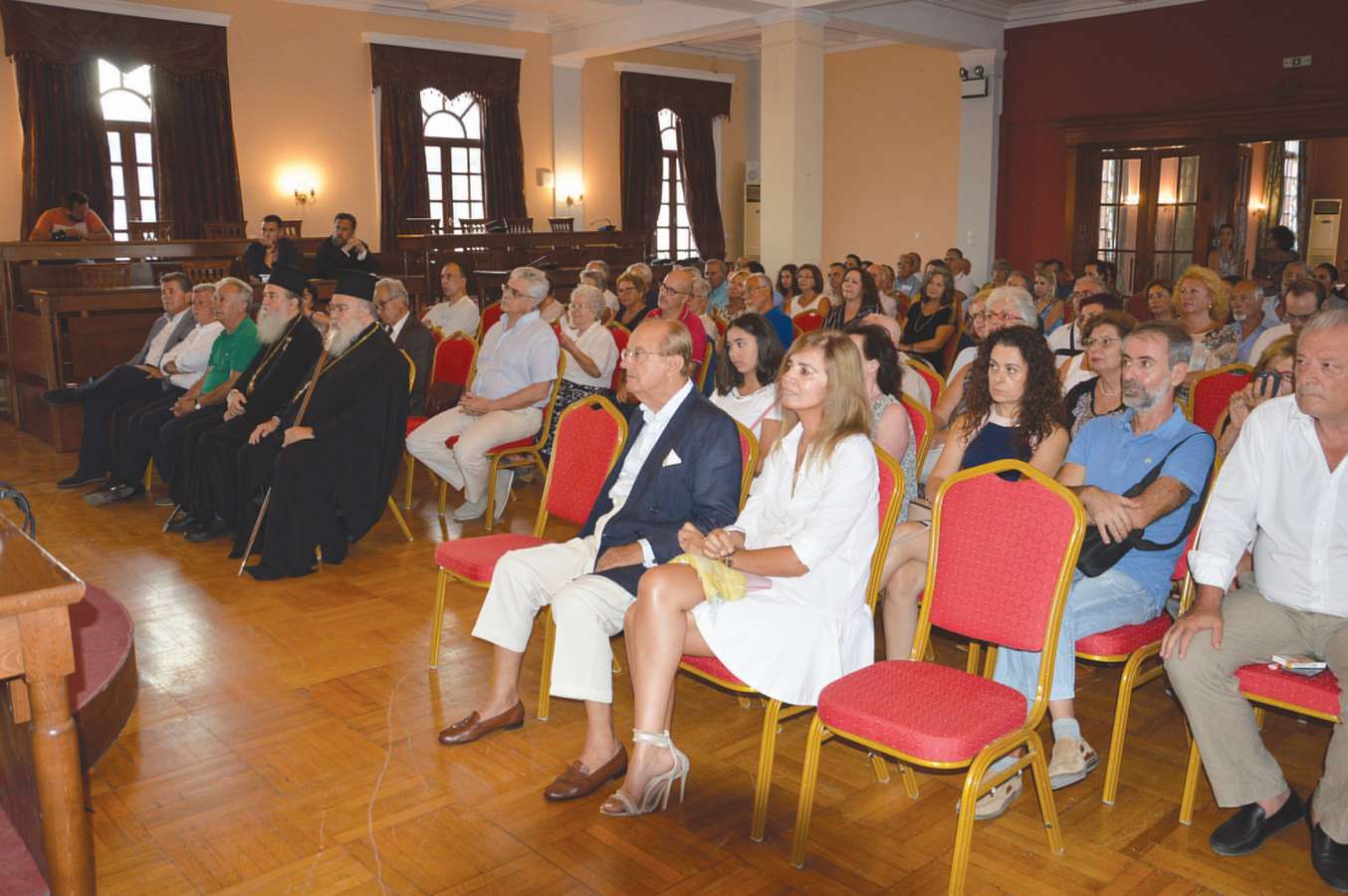
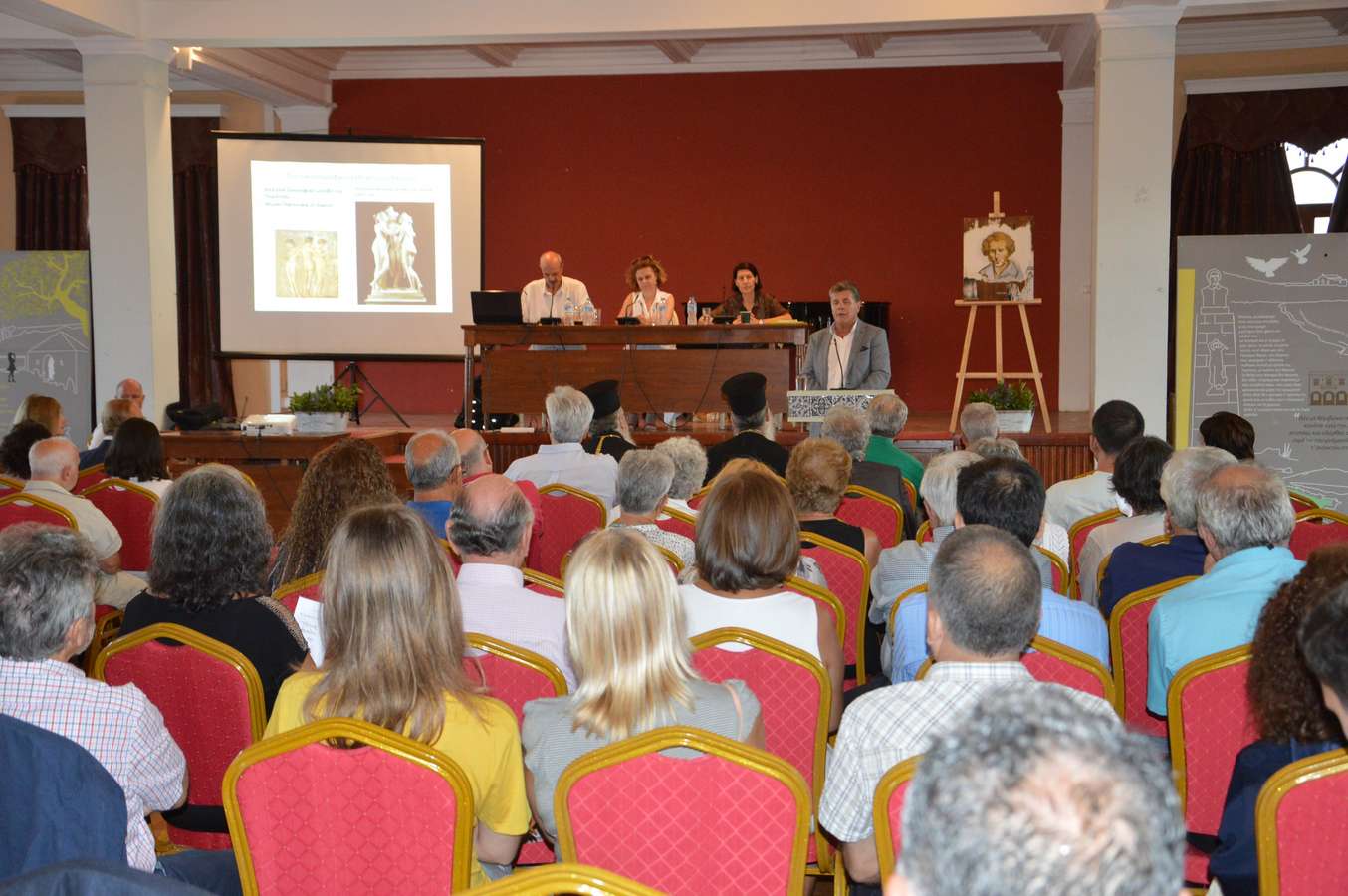
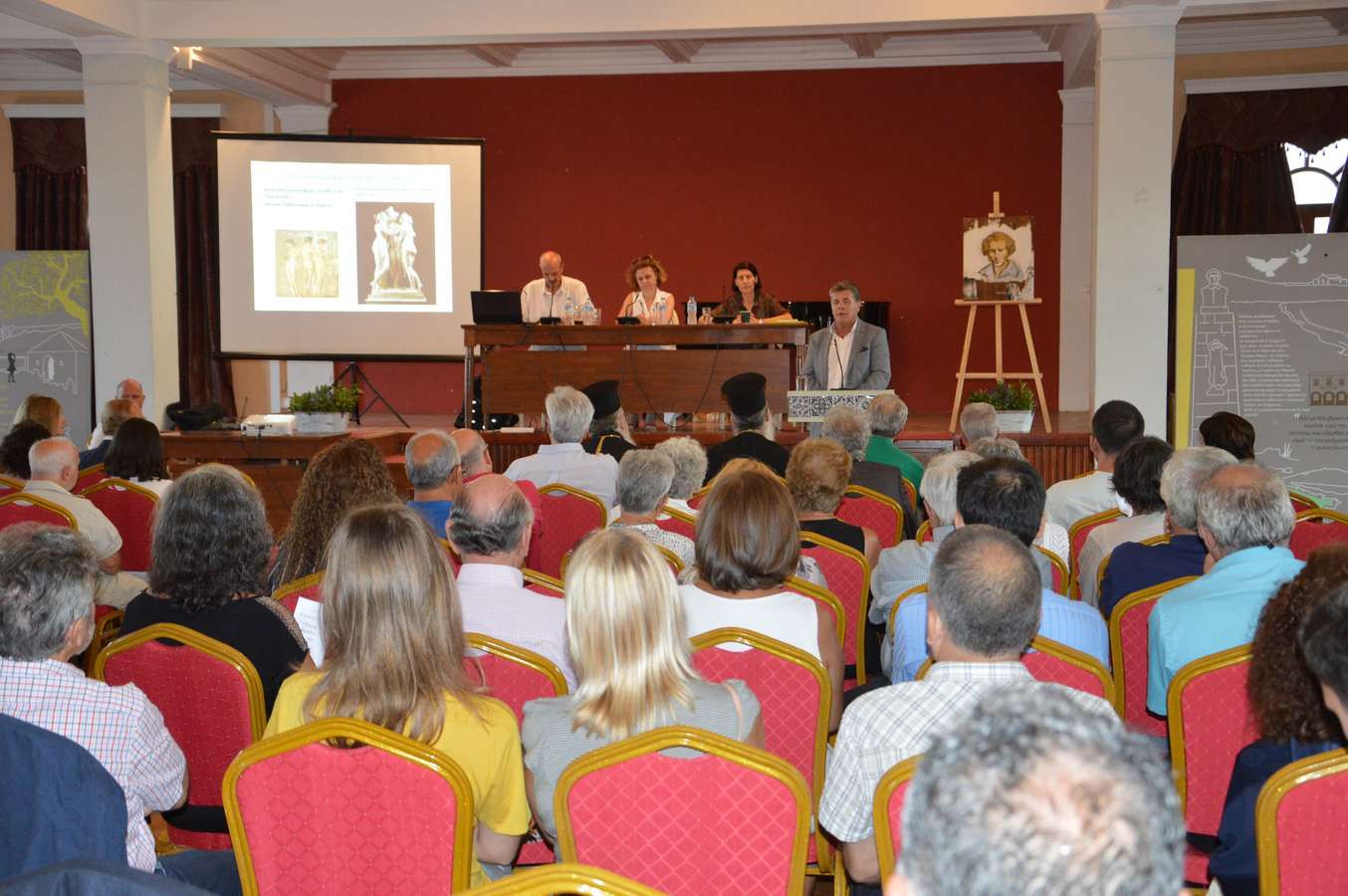
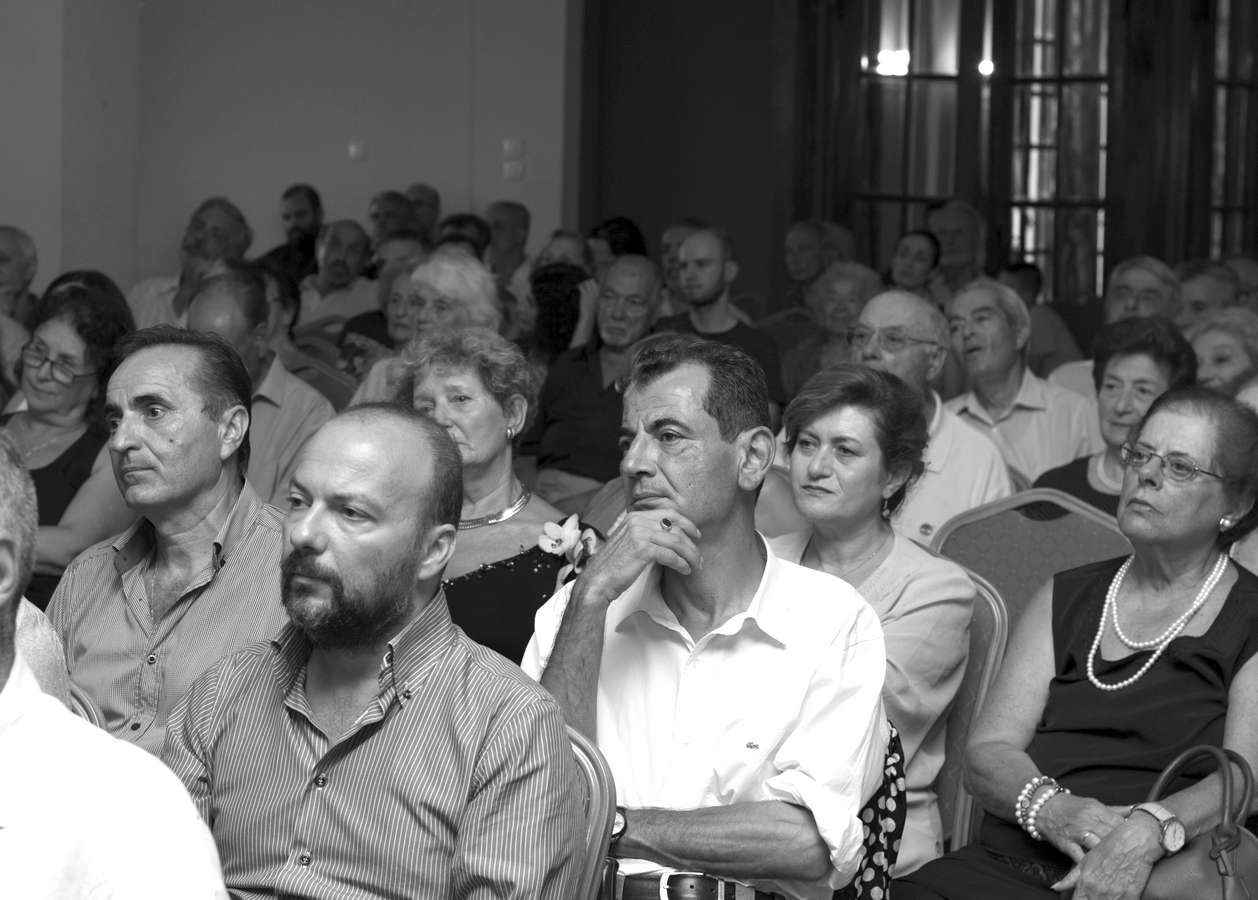
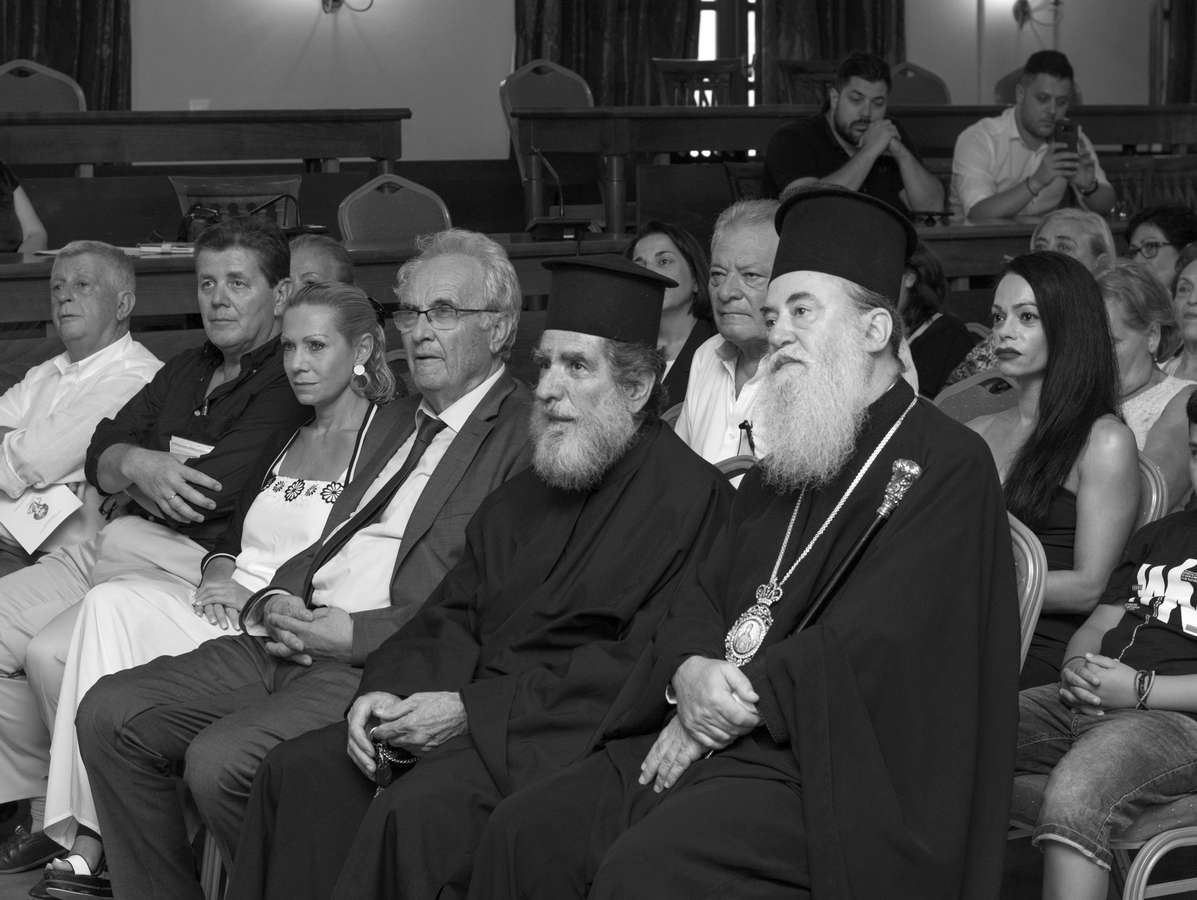
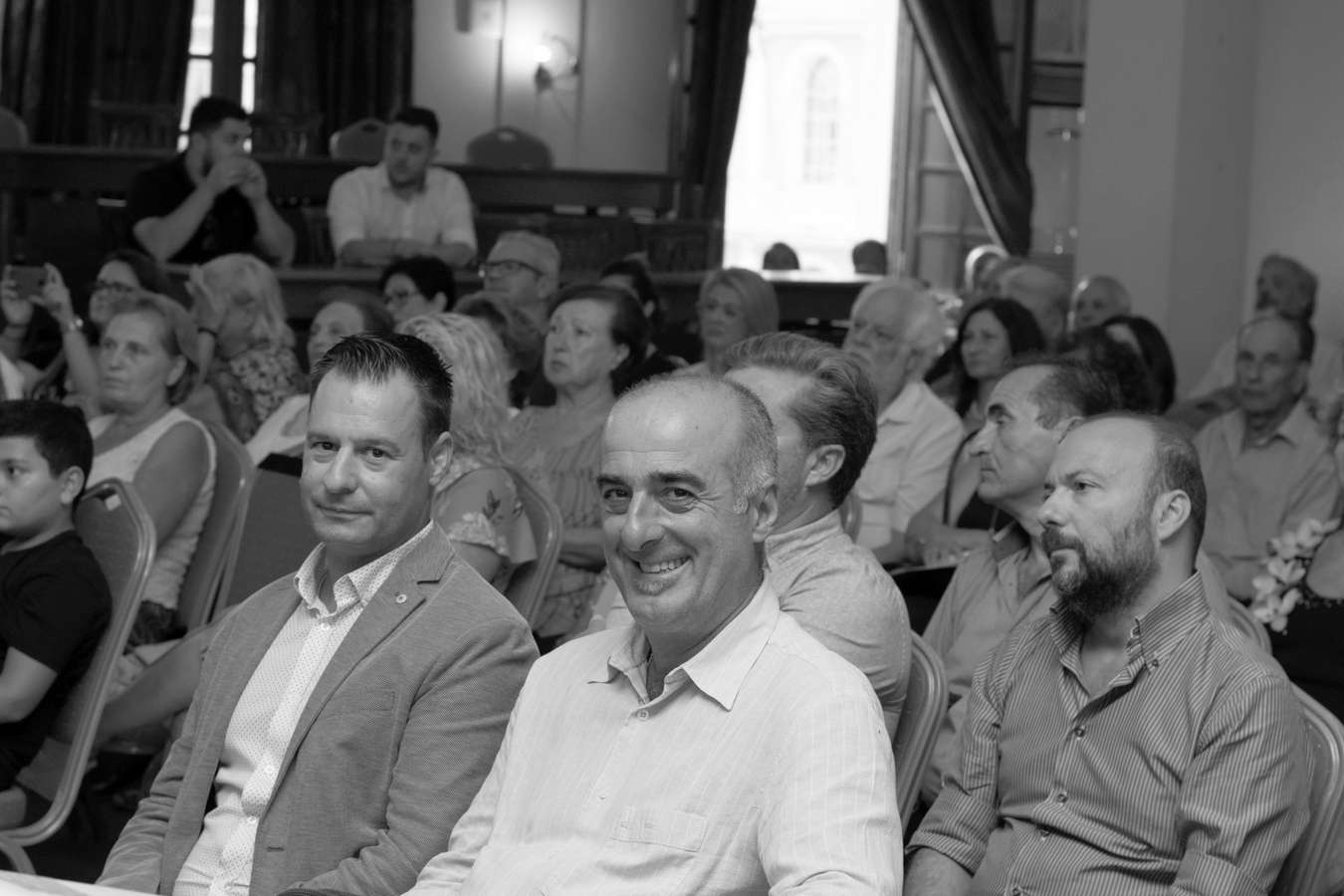
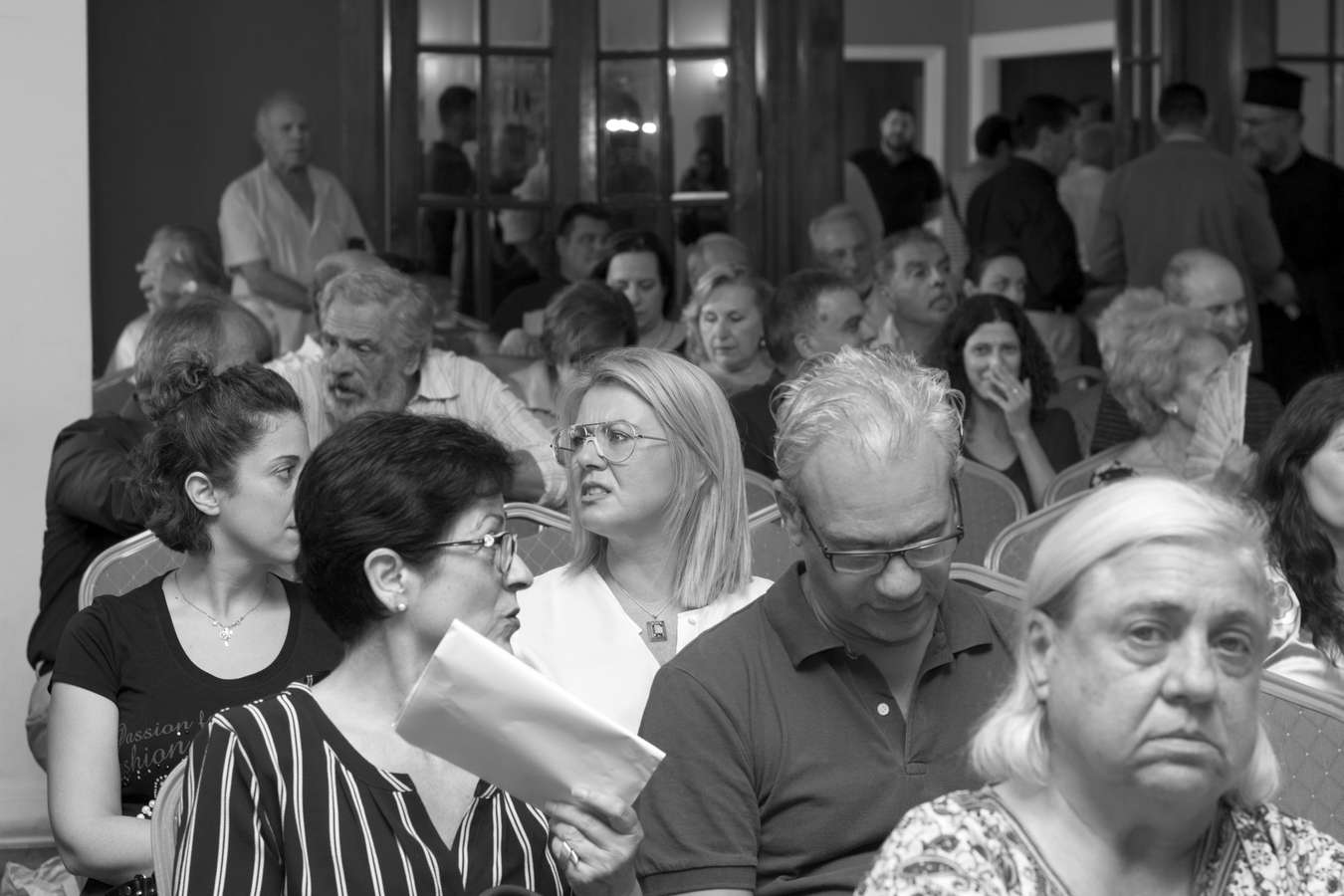
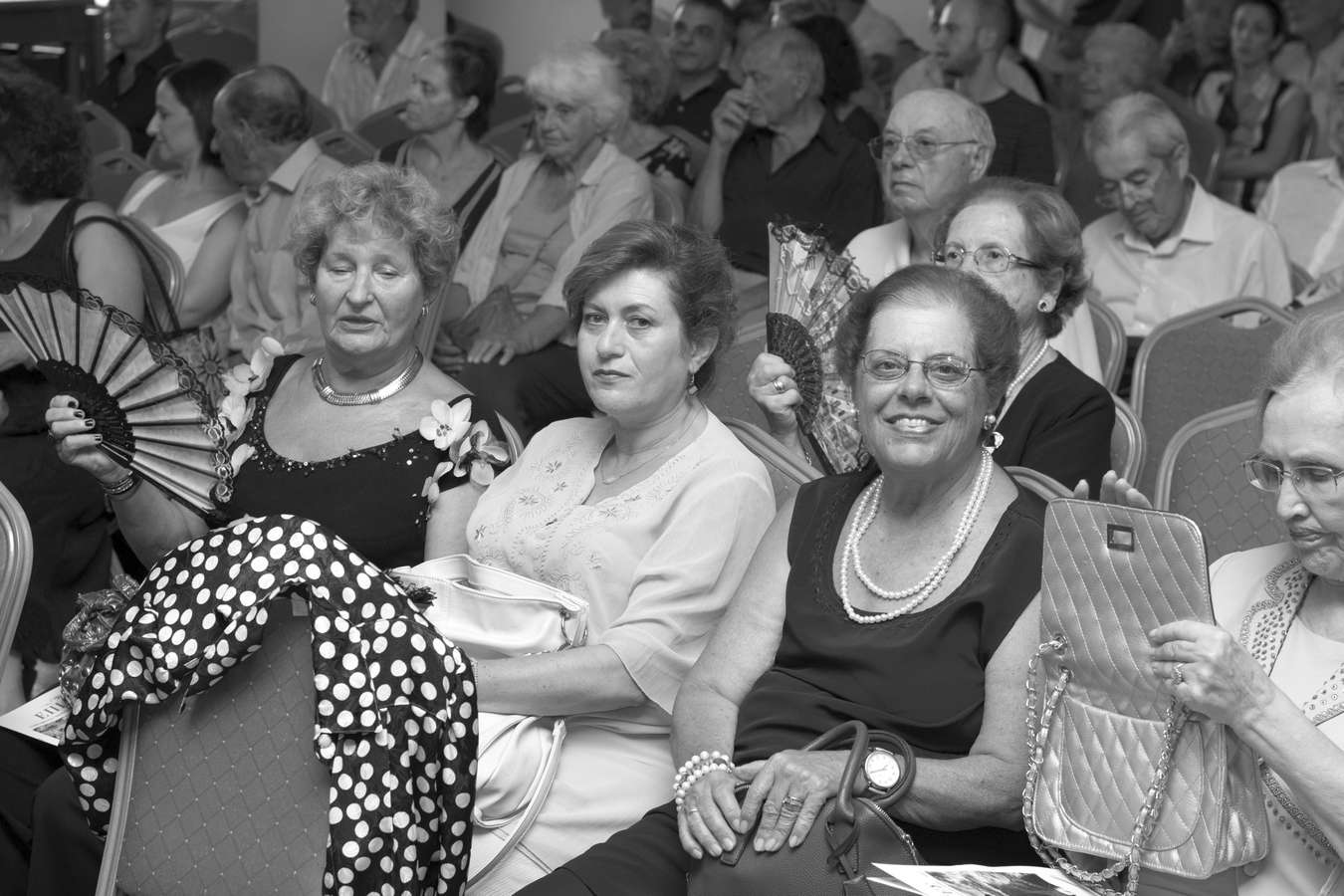
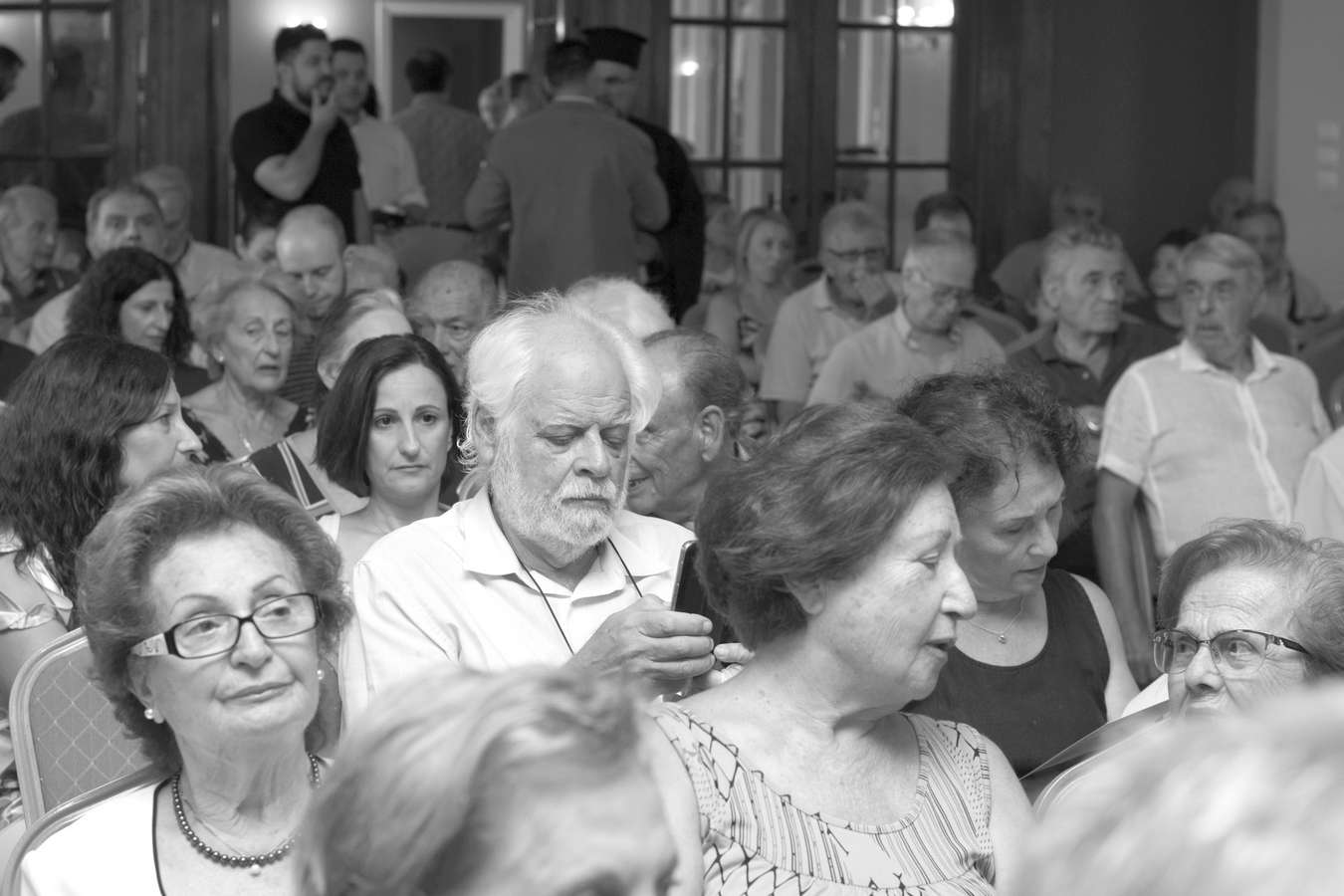
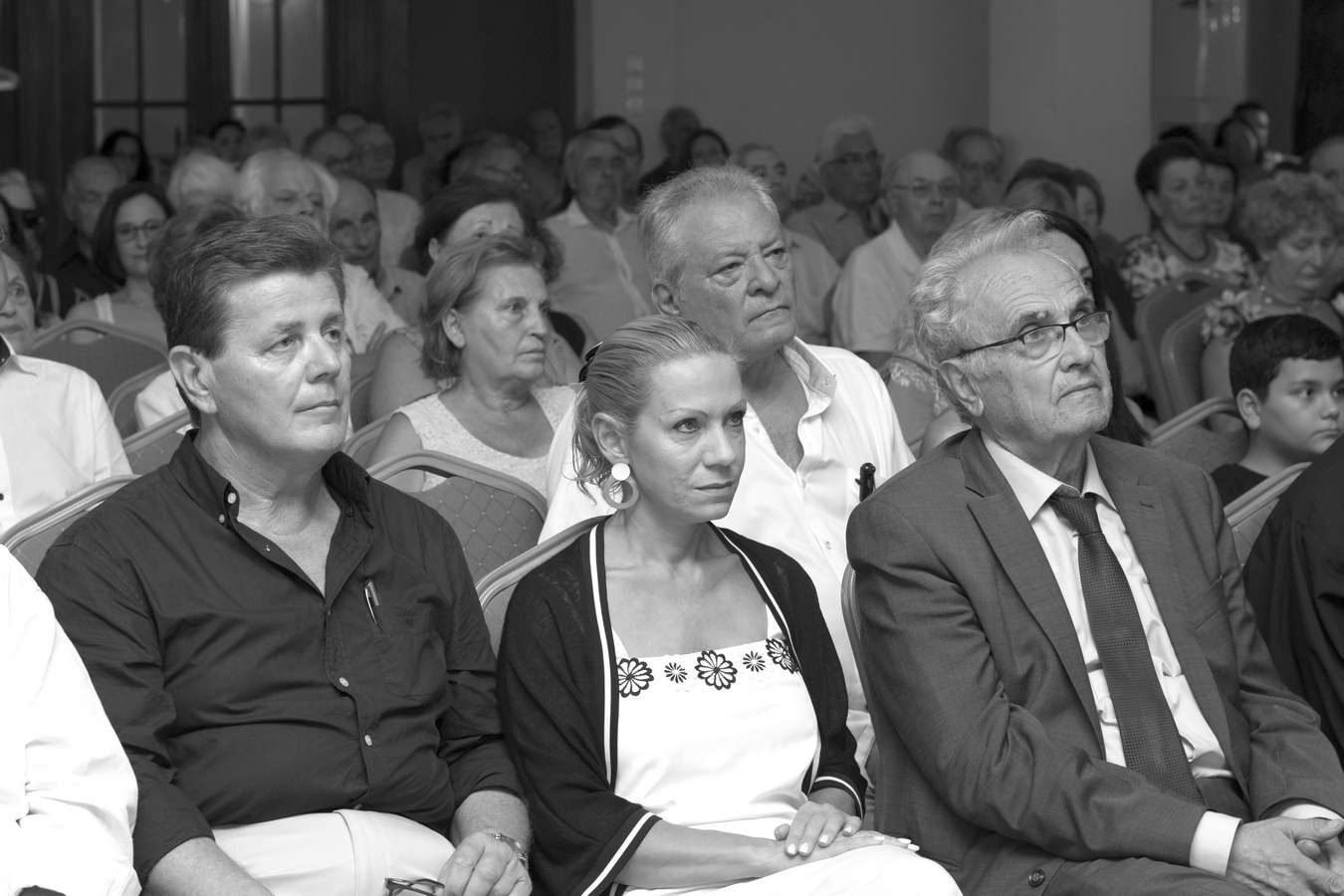
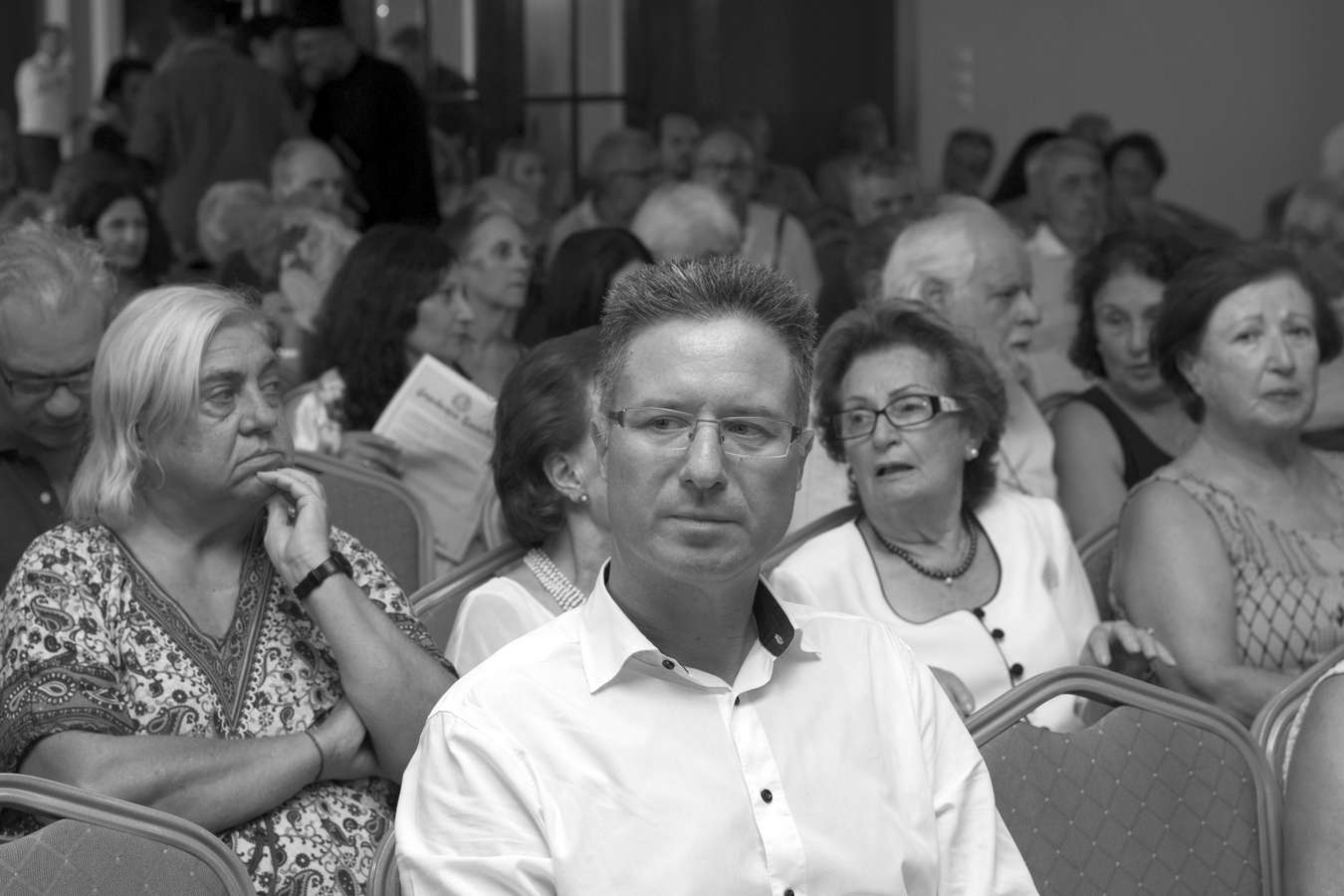
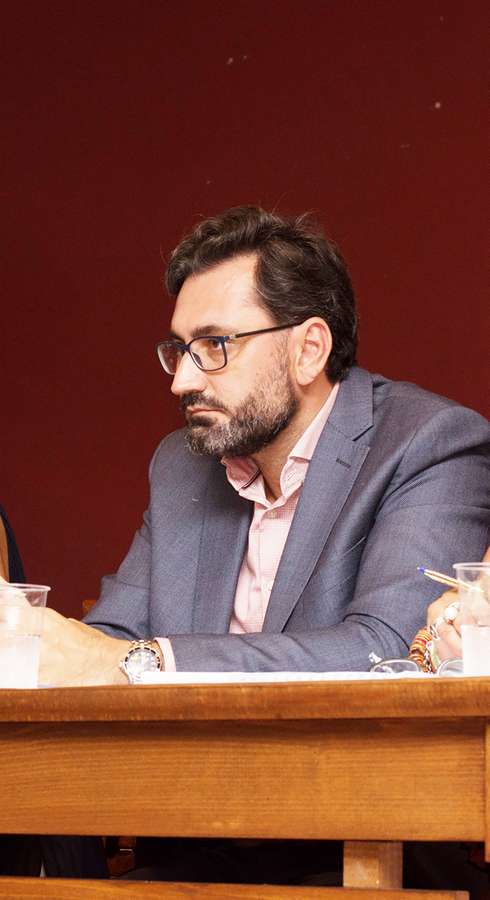
In the best possible way the intellectual community of Zakynthos and dozens of fellow citizens honoured the 192nd anniversary of the death of the poet Nicolaos Ugo Foscolo in distant England on 10 September 1827.
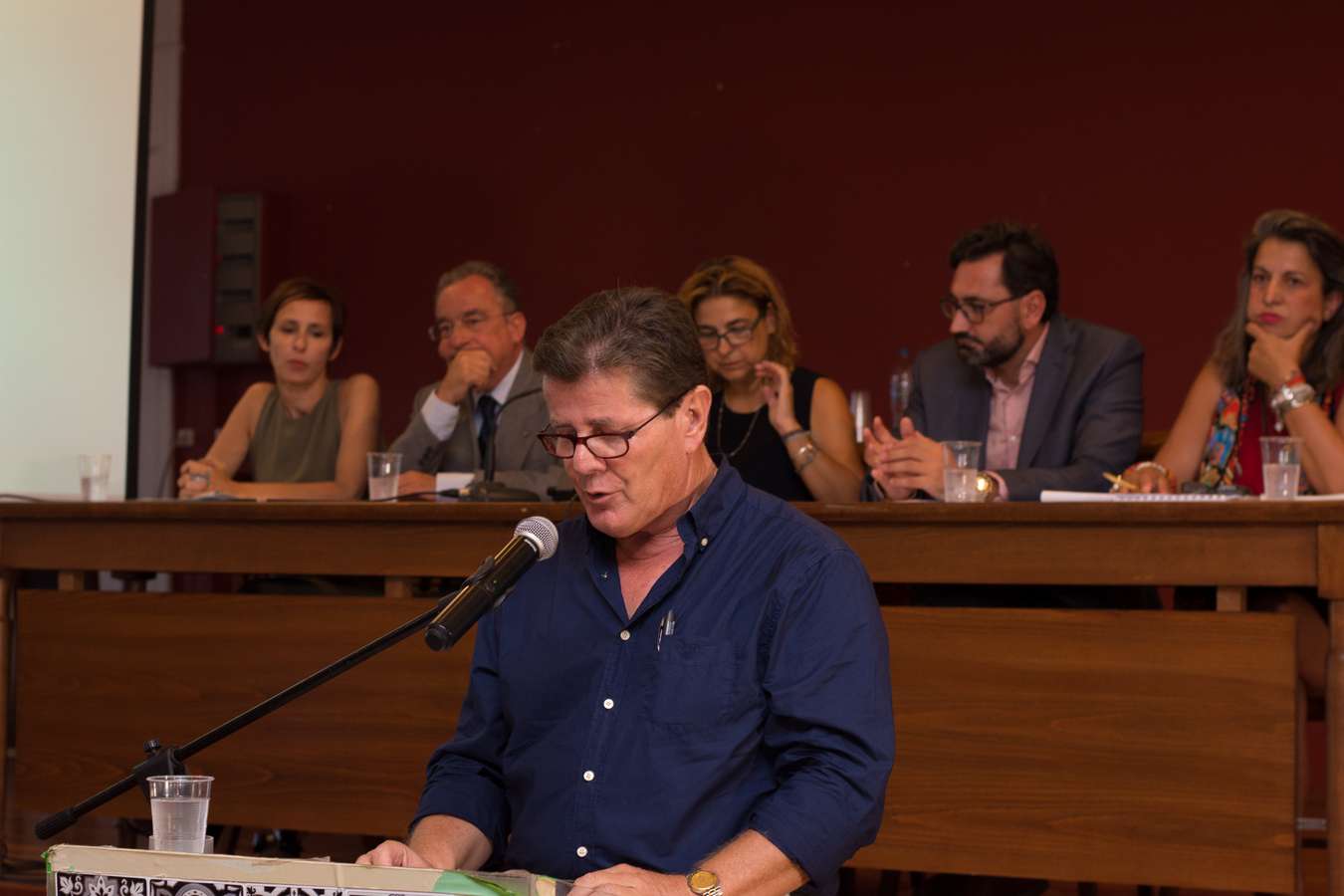
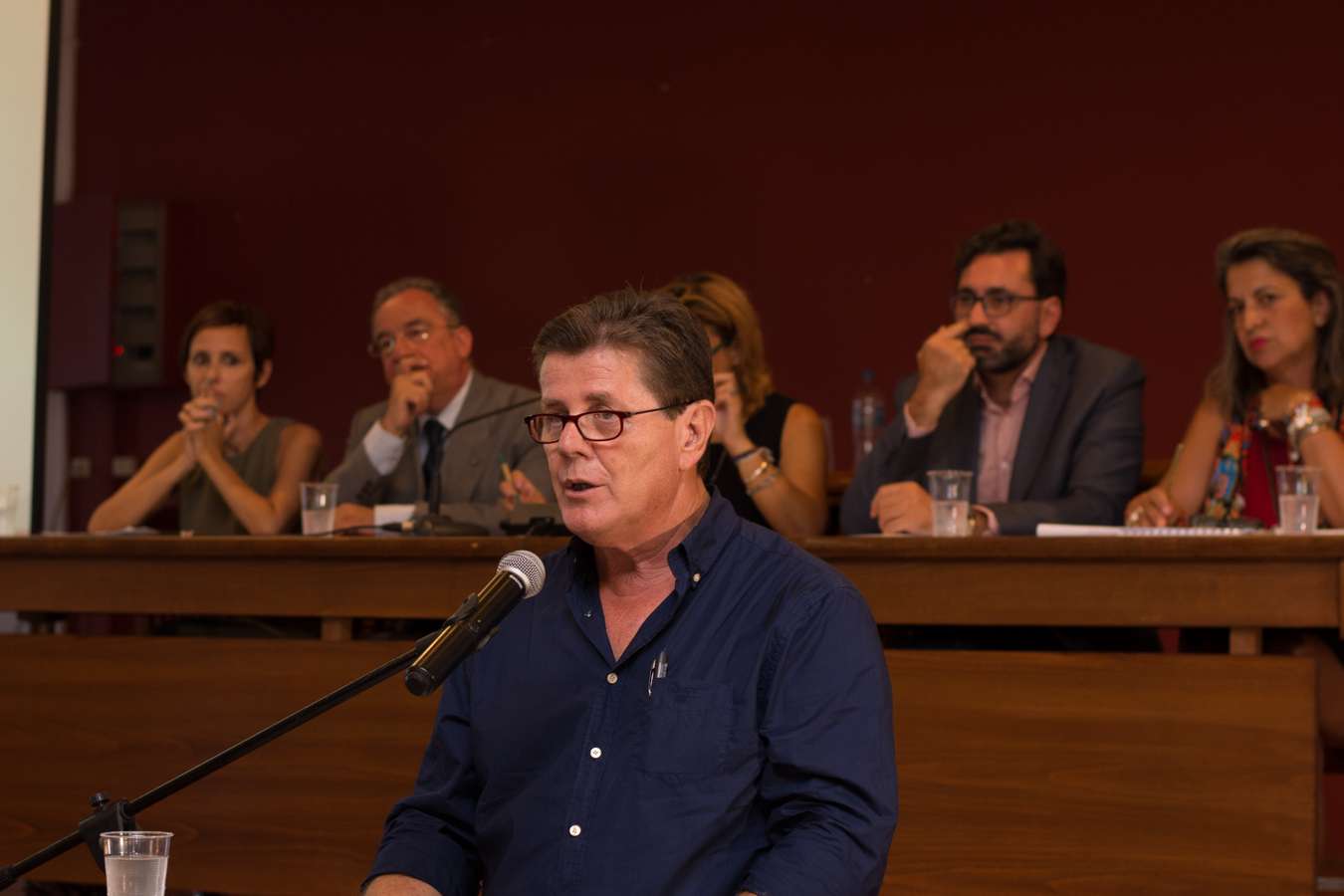
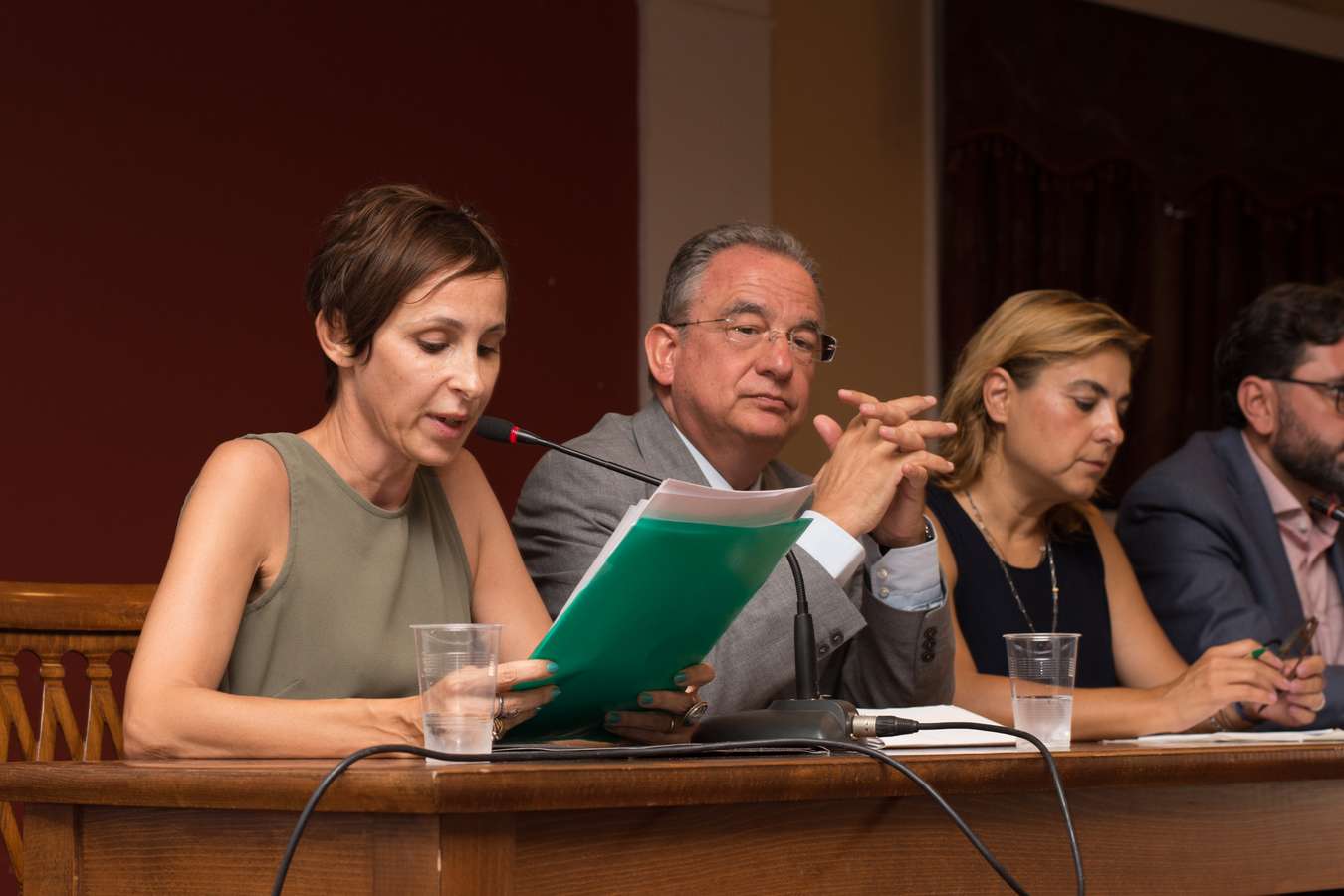
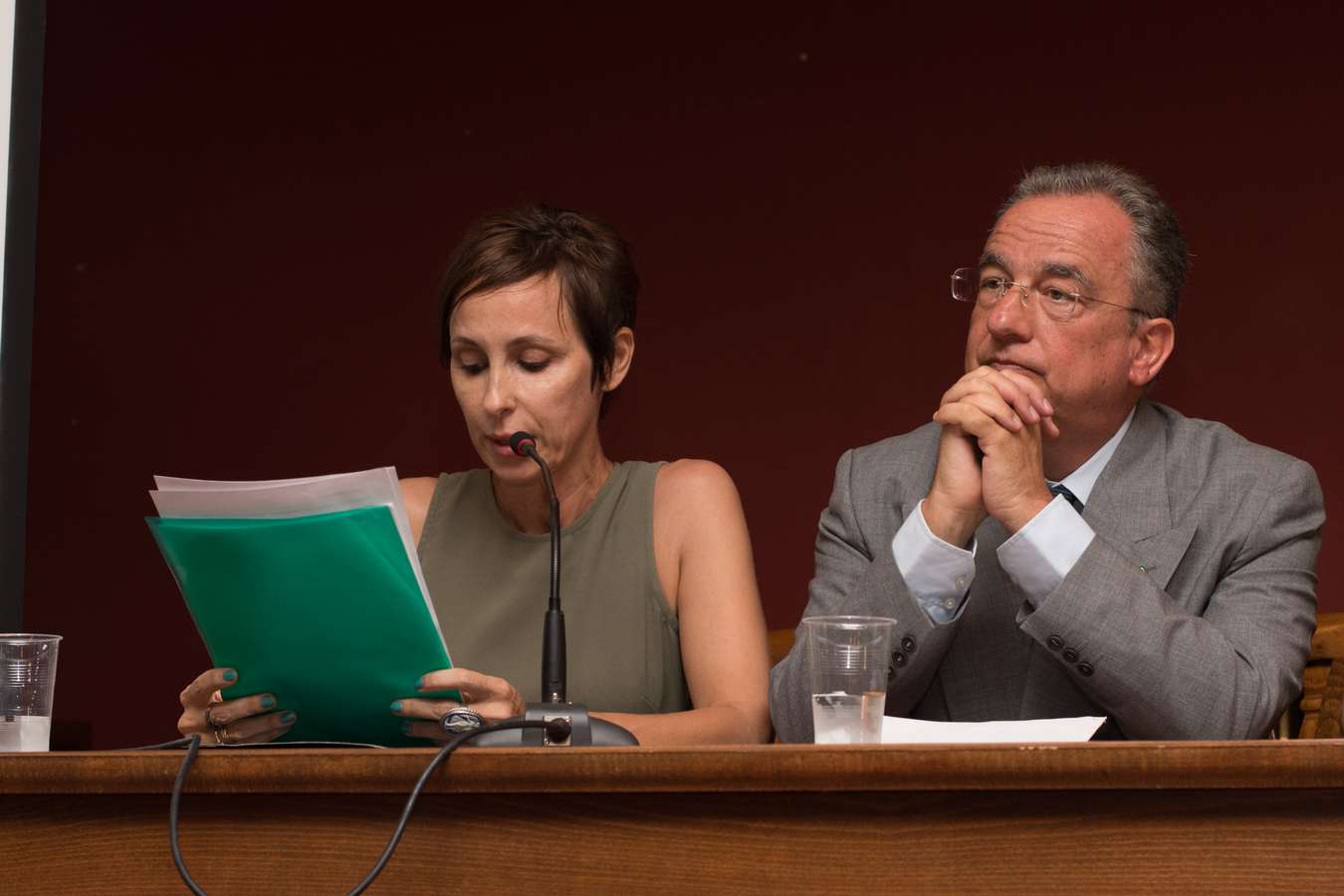
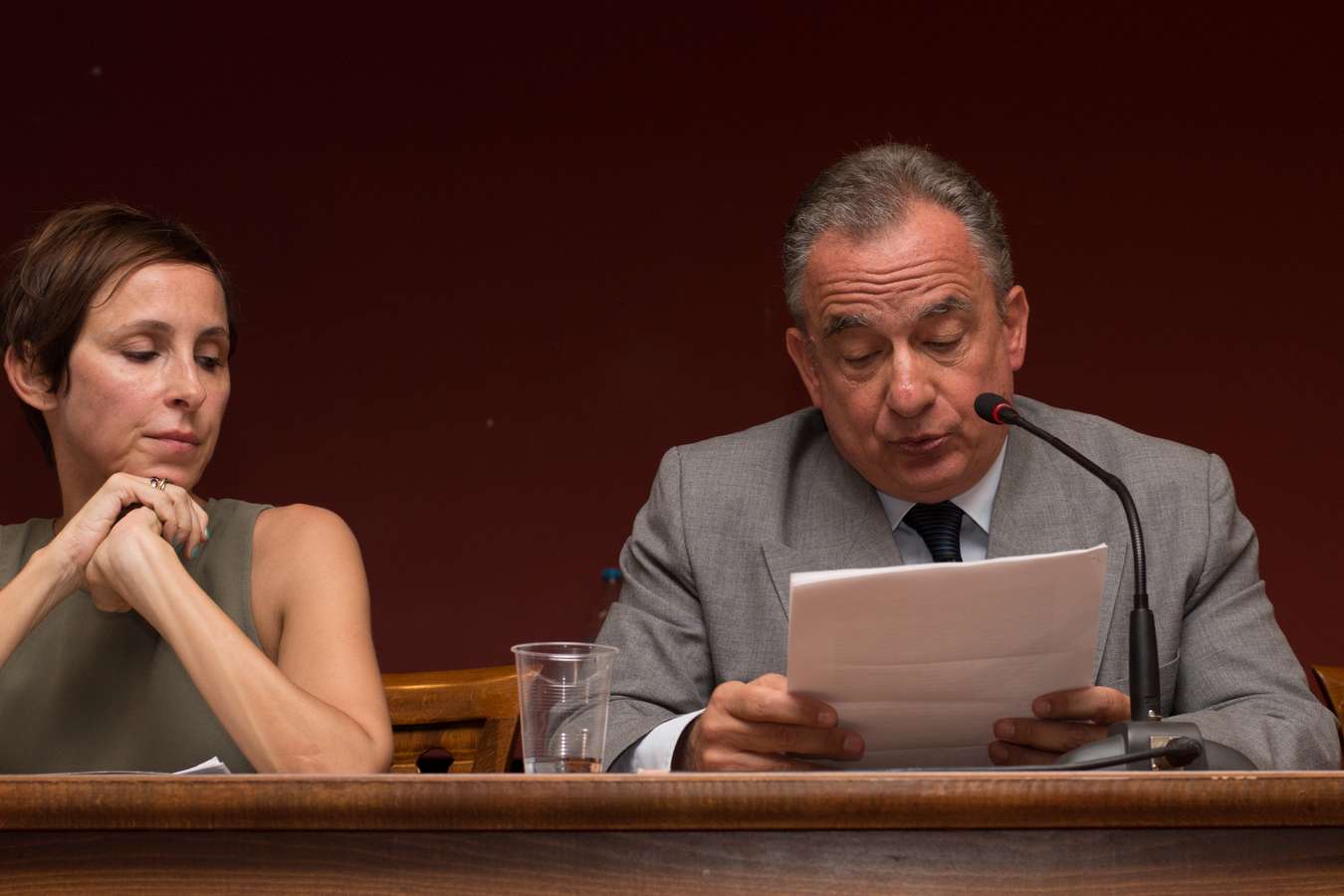
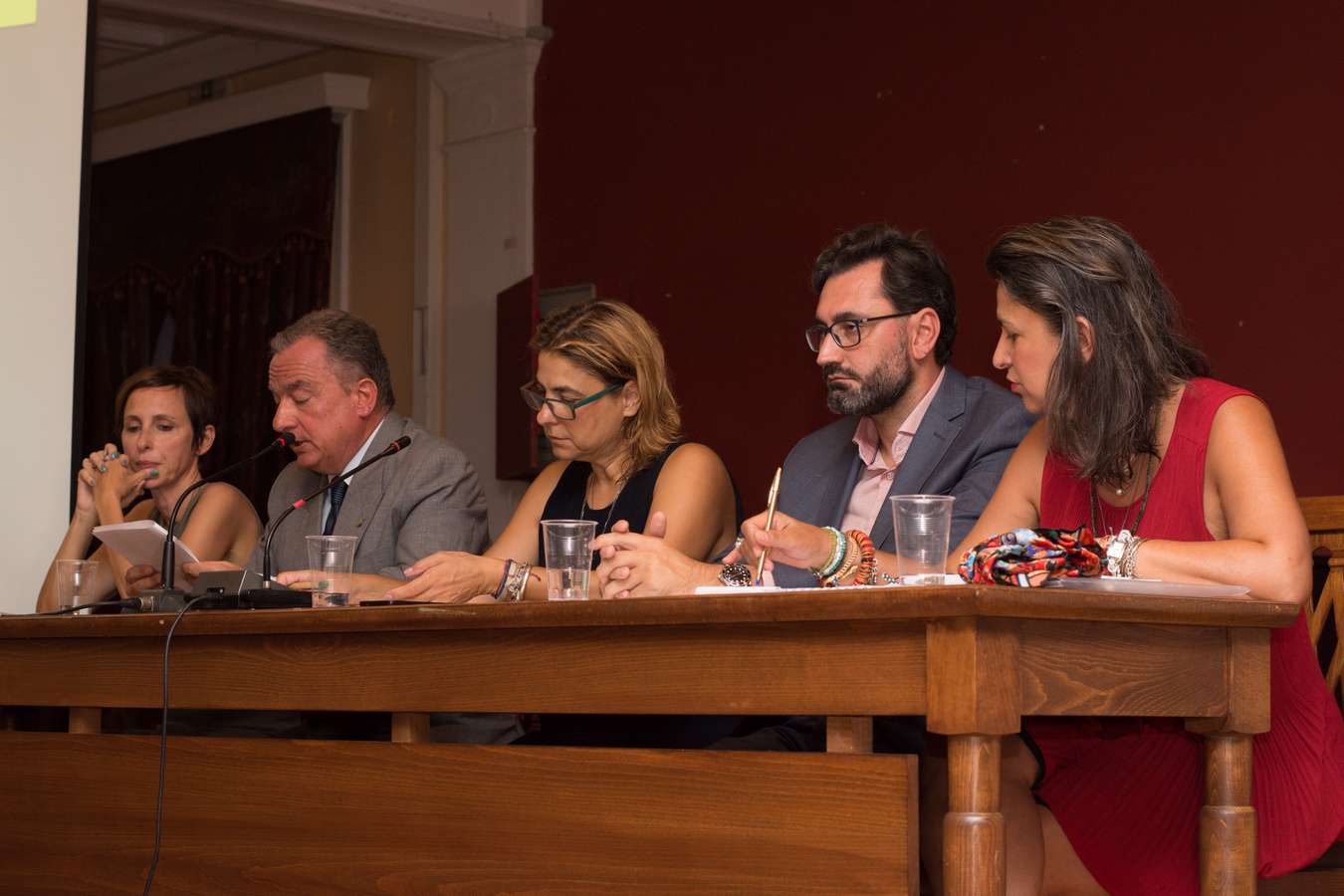
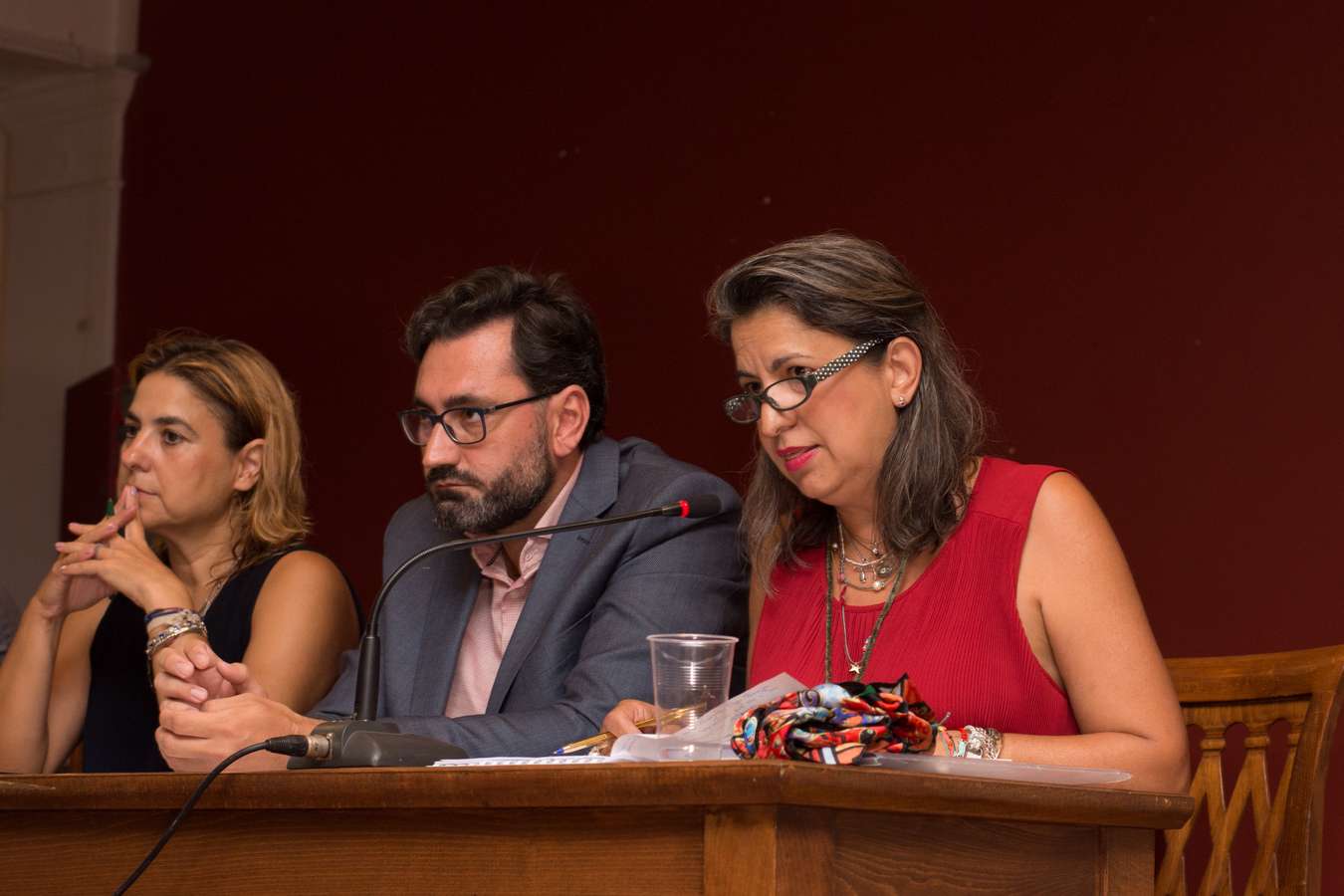
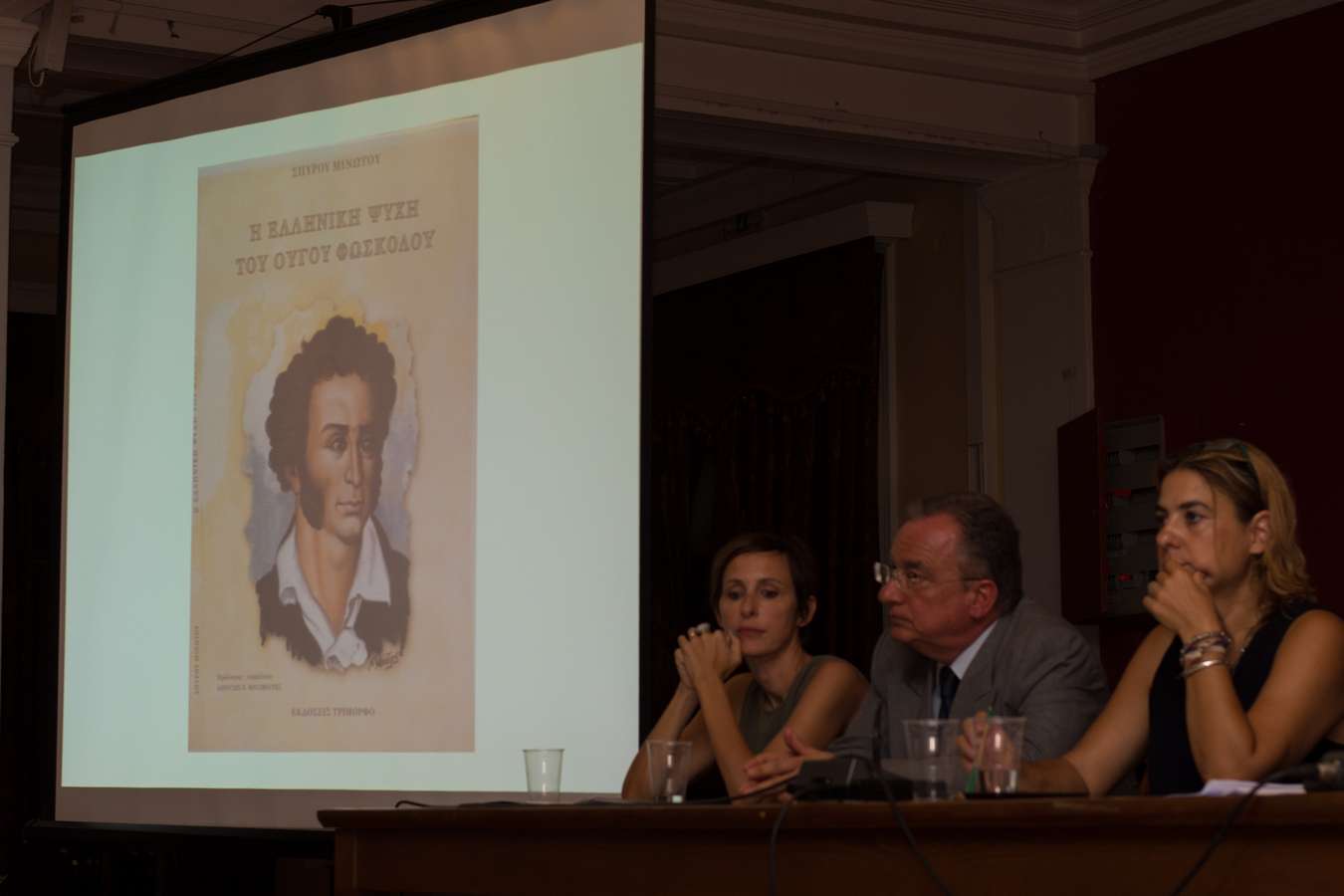
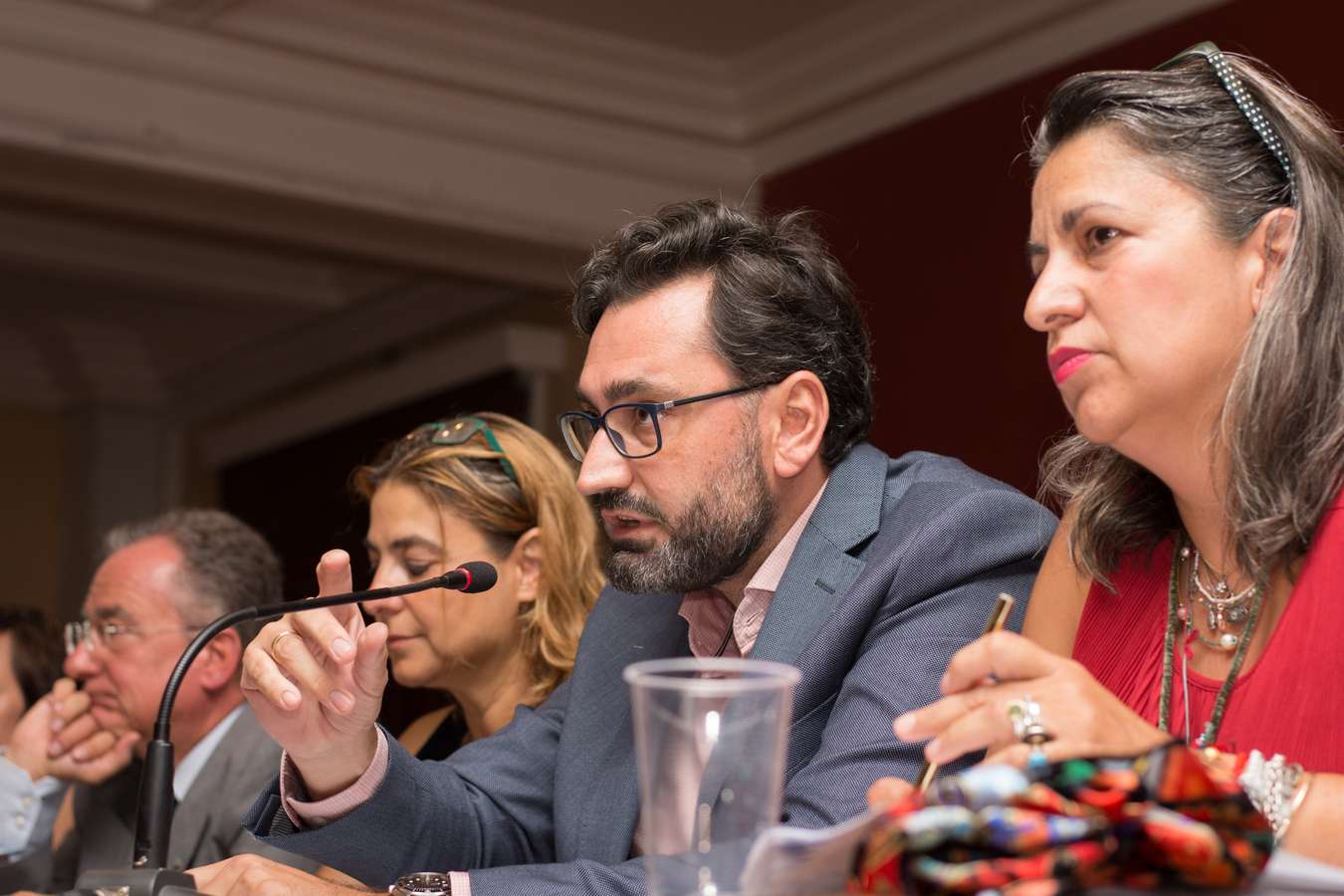
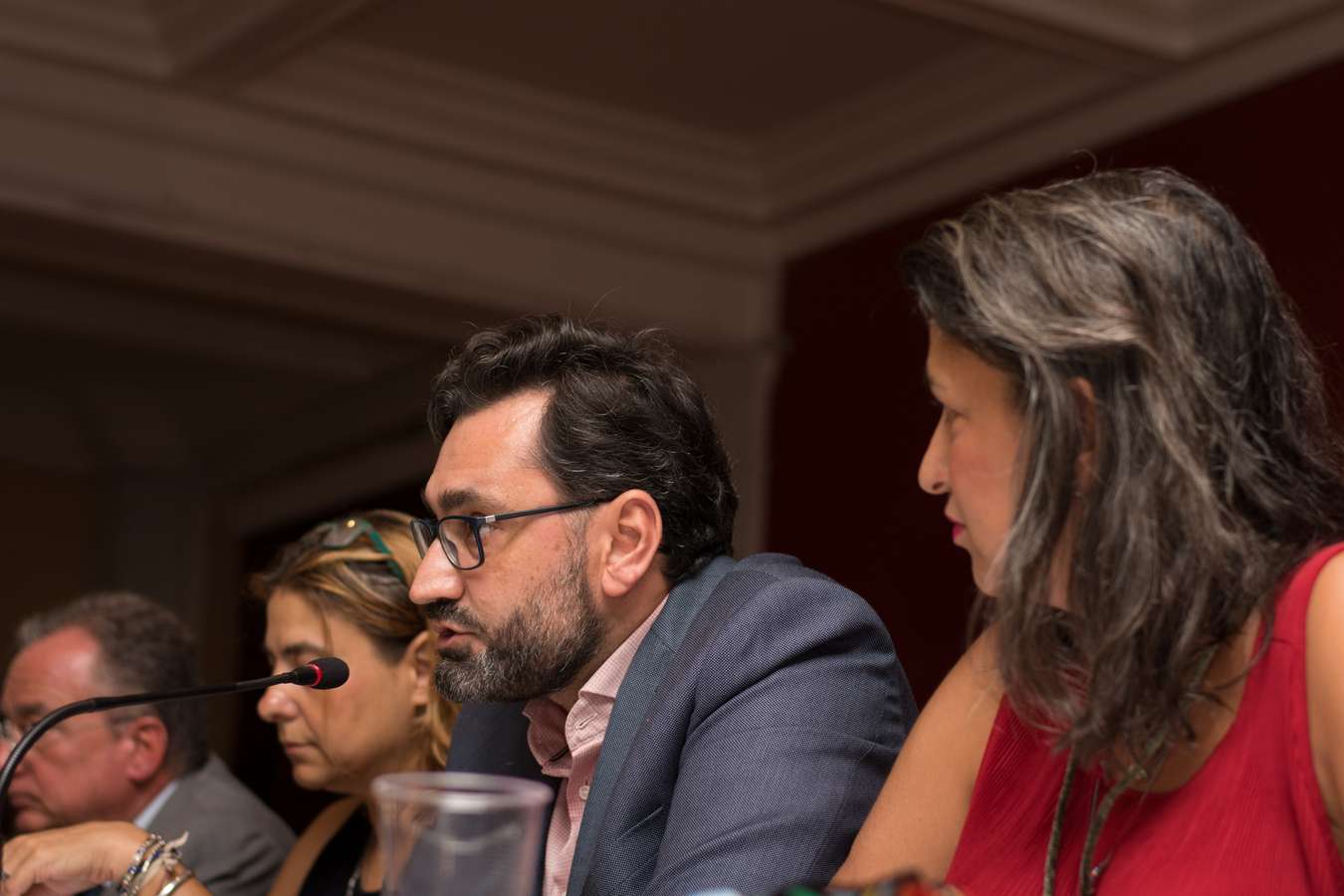
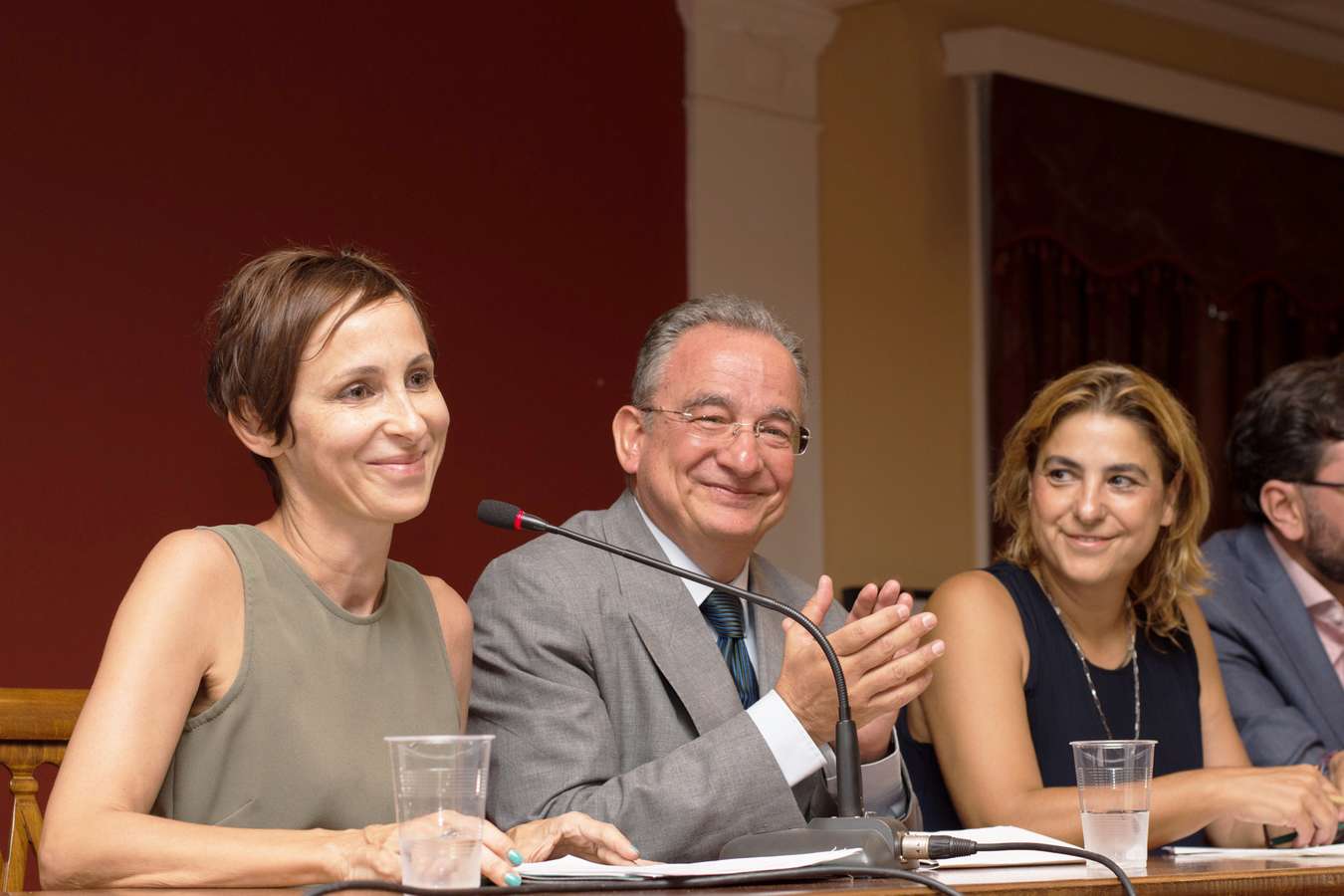
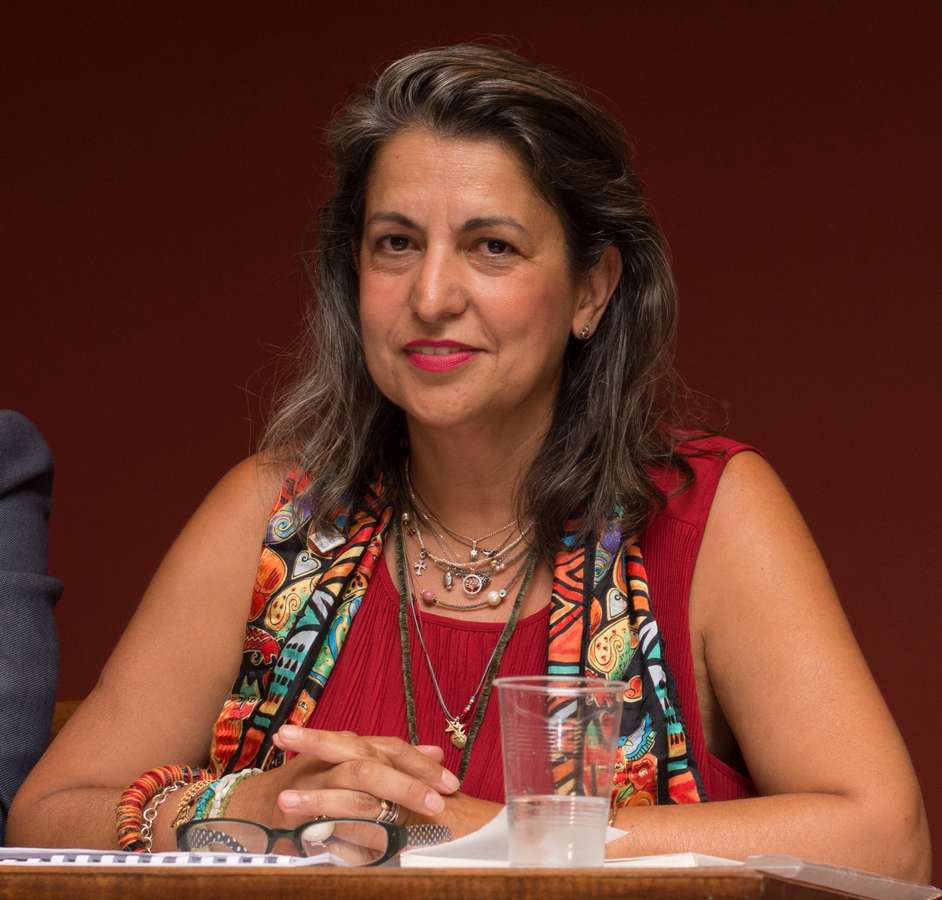
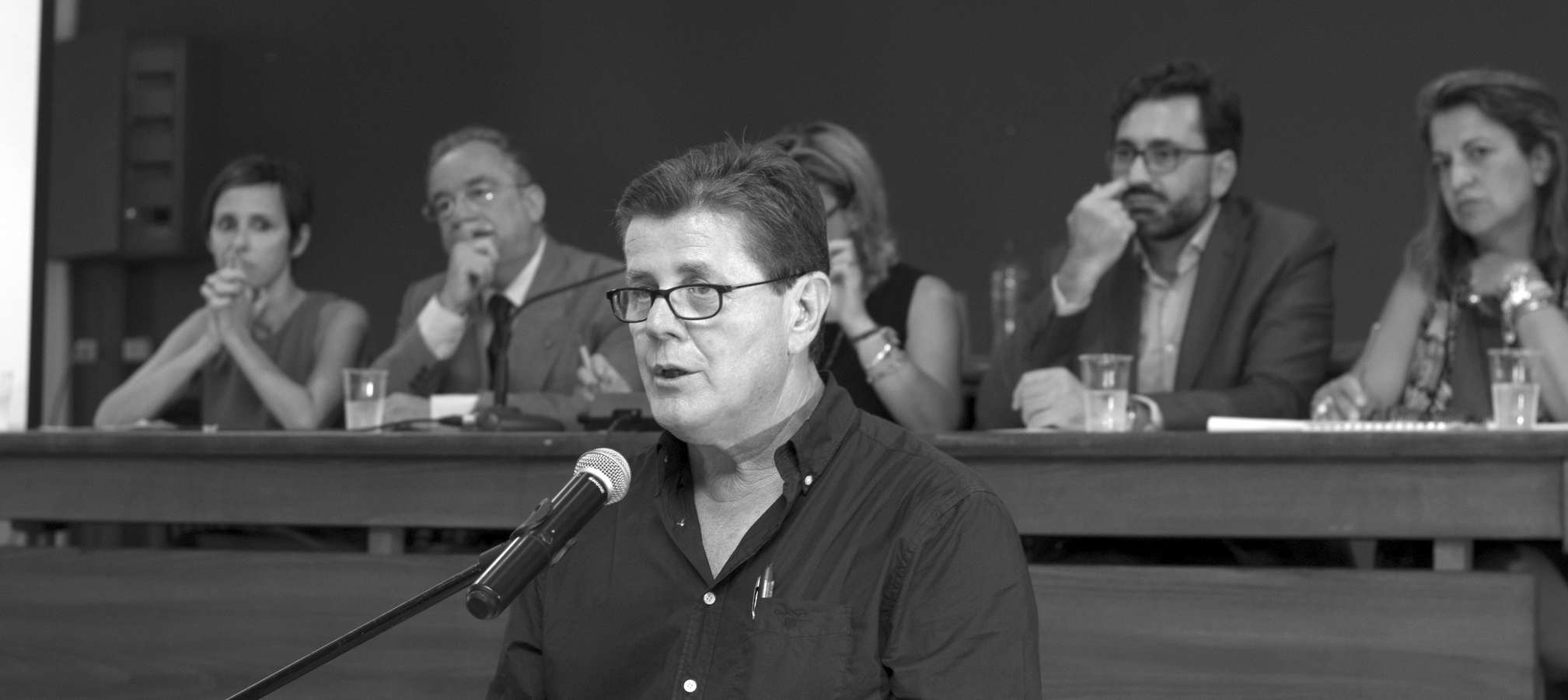
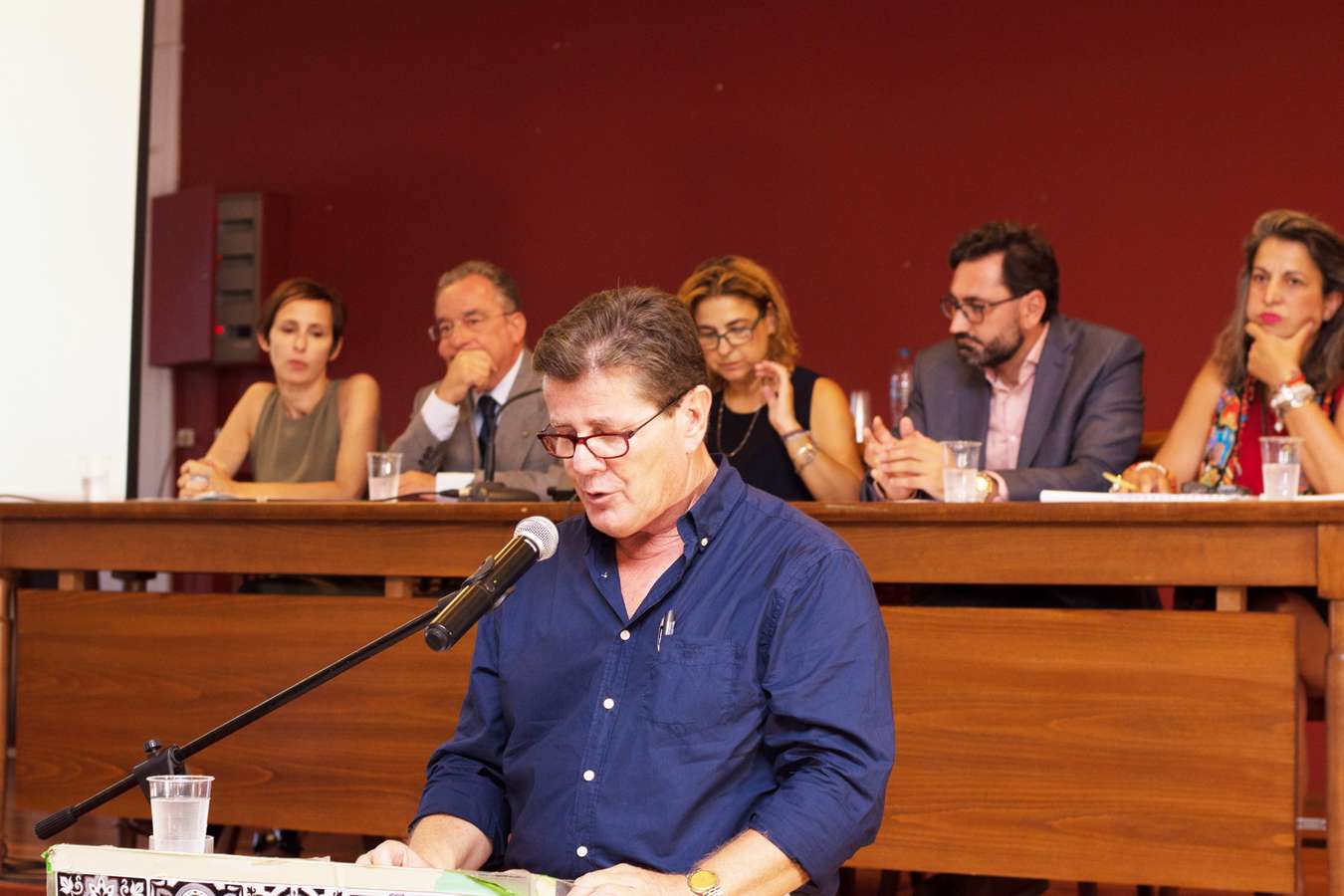
On the evening of Sunday 8 September 2019, the third international scholarly meeting on the theme “Foscolo and the Greeks” was concluded, with speakers university professors Gerasimos Zoras, Francesca Sensini, Marietta Minotou and the historian Ioannis Filandros. The first two analysed important aspects of the poet’s activity in relation to the Eastern Question of the time and the Greeks in revolt, while the last two presented material from the Minotos couple’s archive and their efforts to highlight the Greek side of the poet during the commemorations of his memory in 1927.
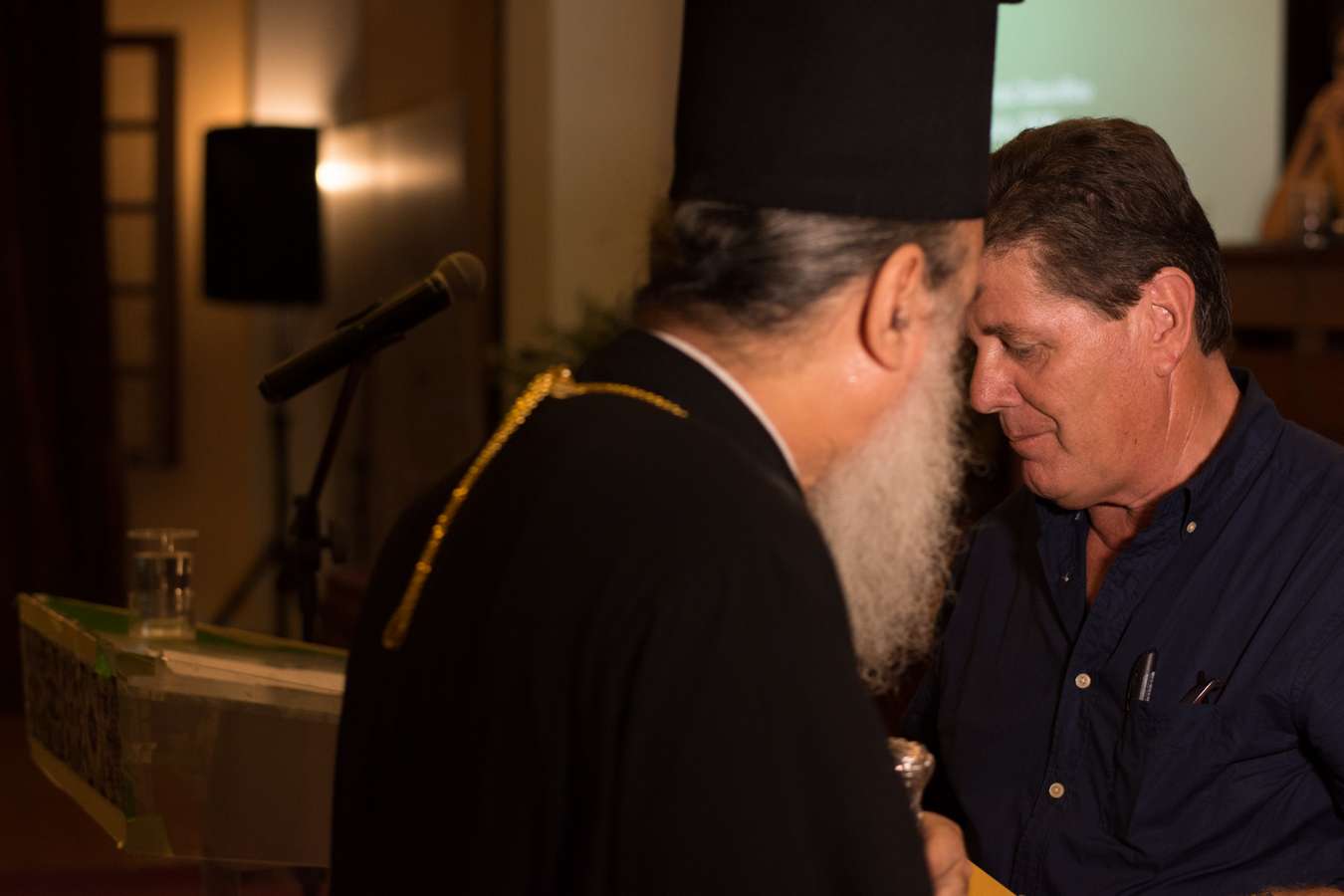
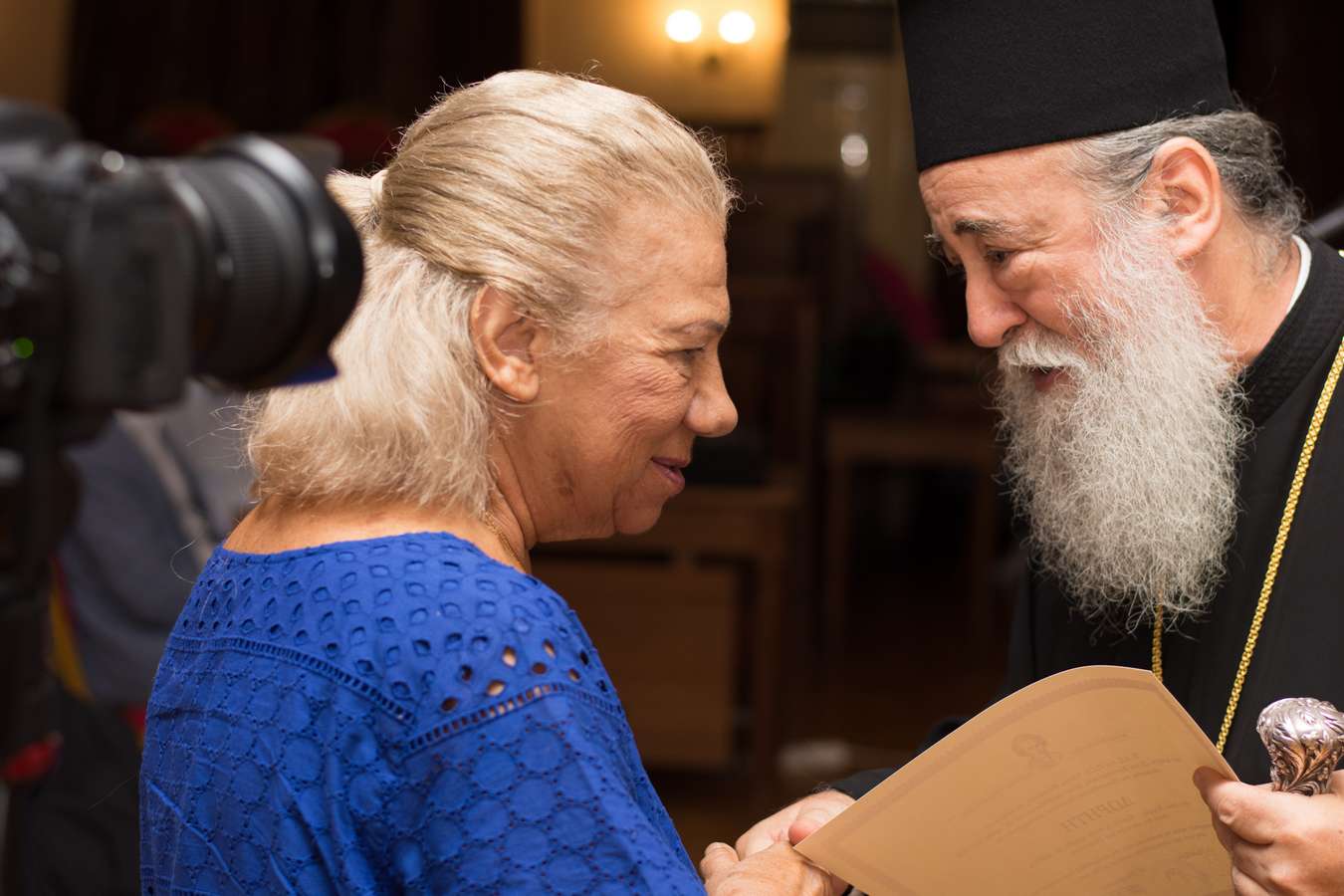
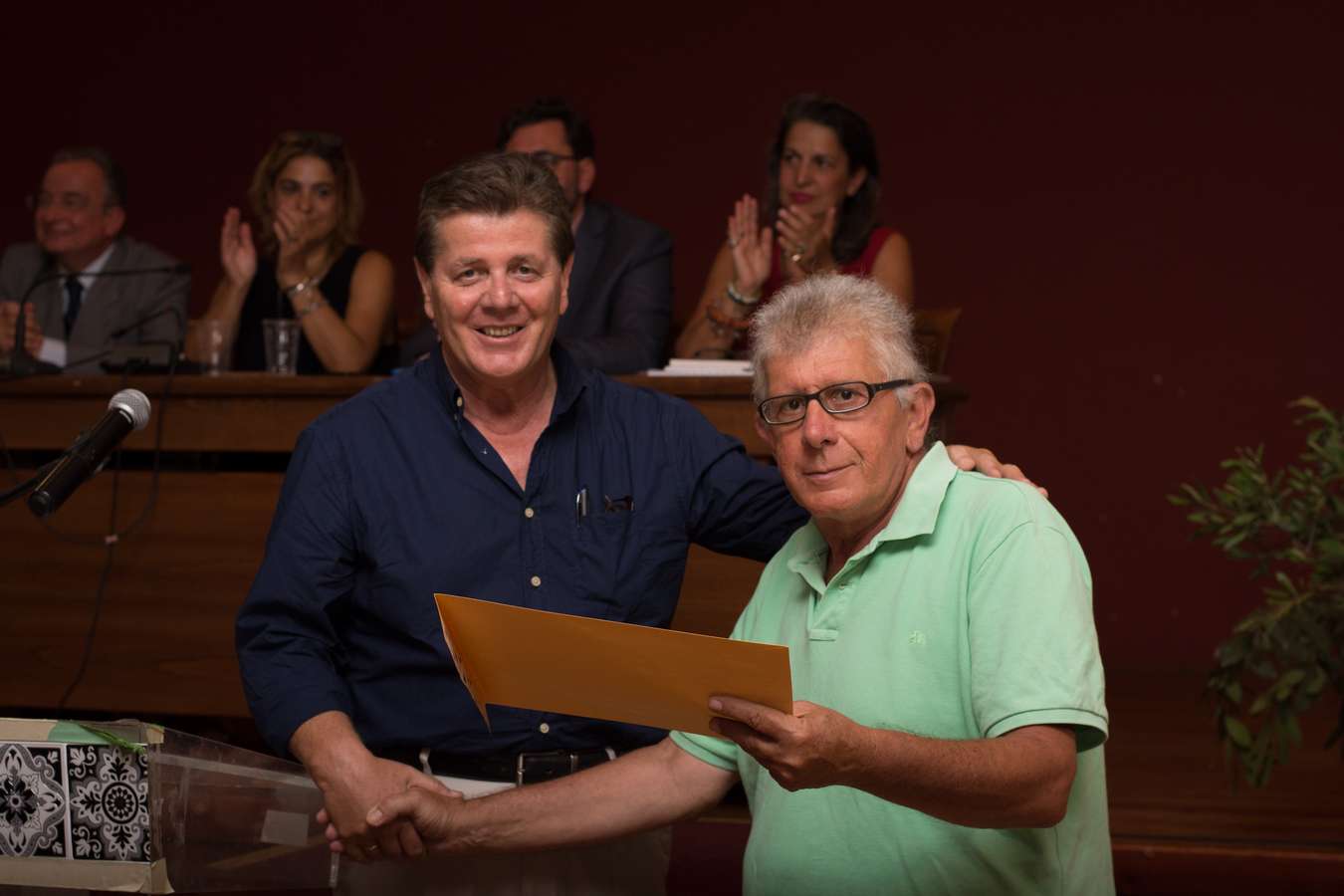
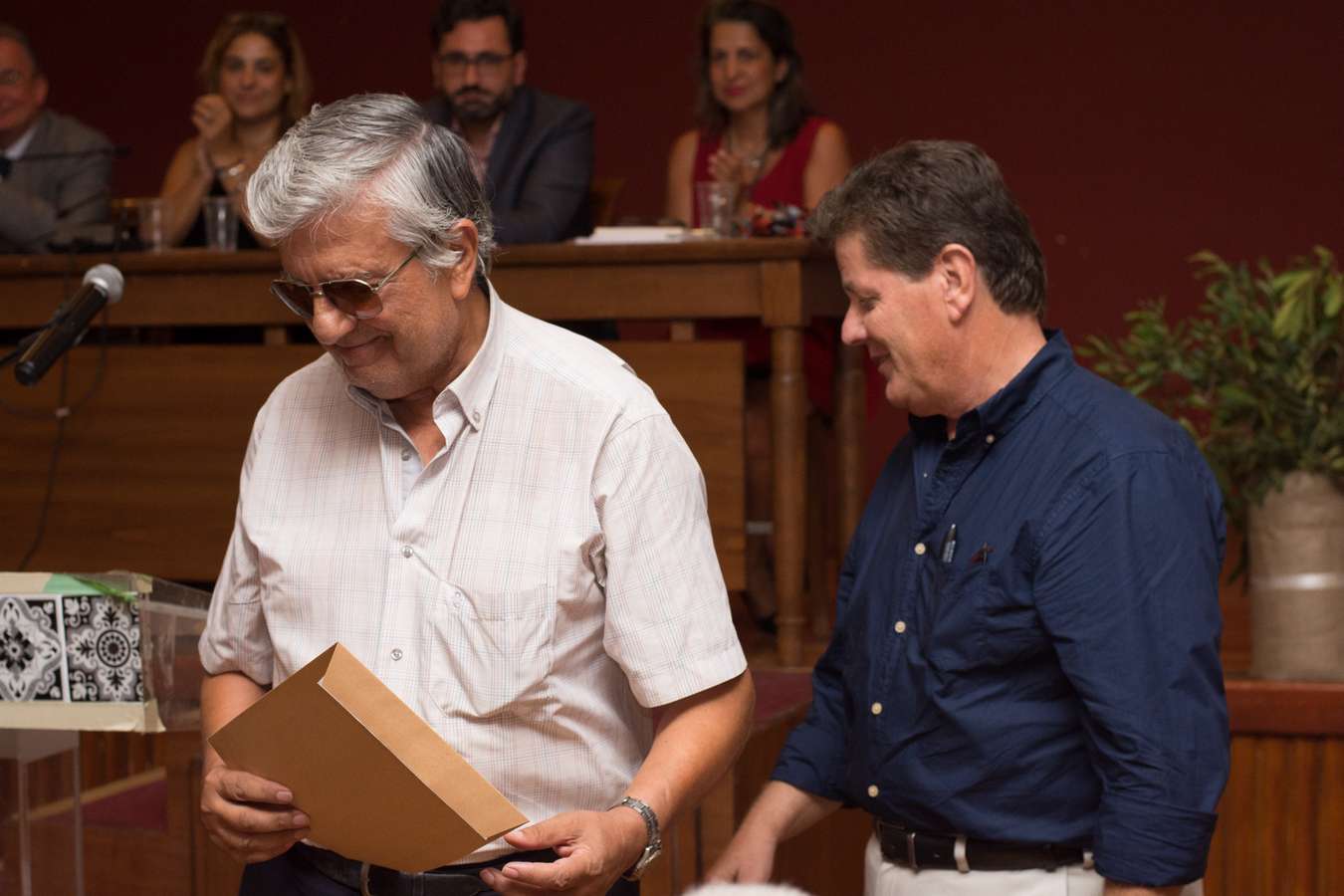
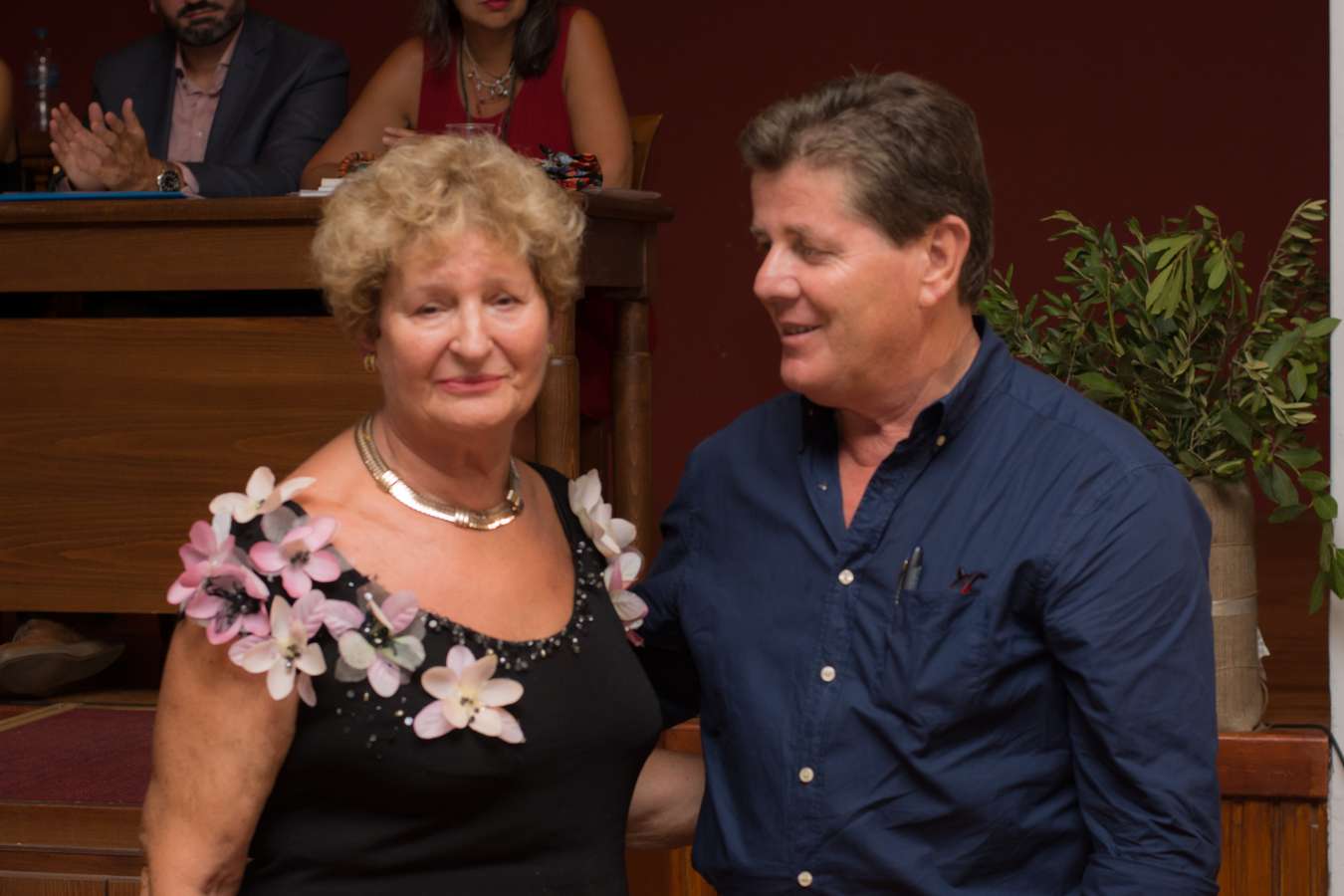
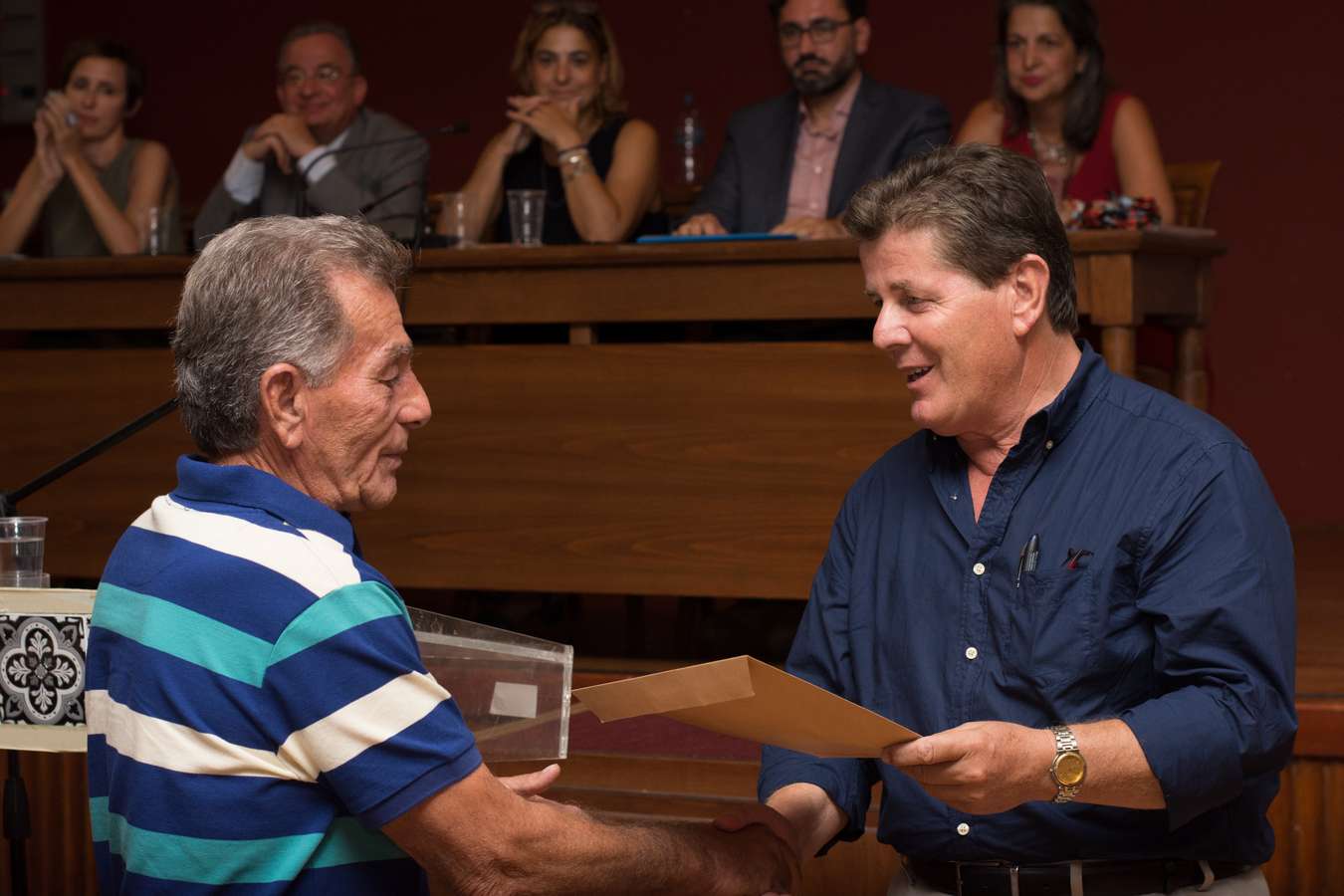
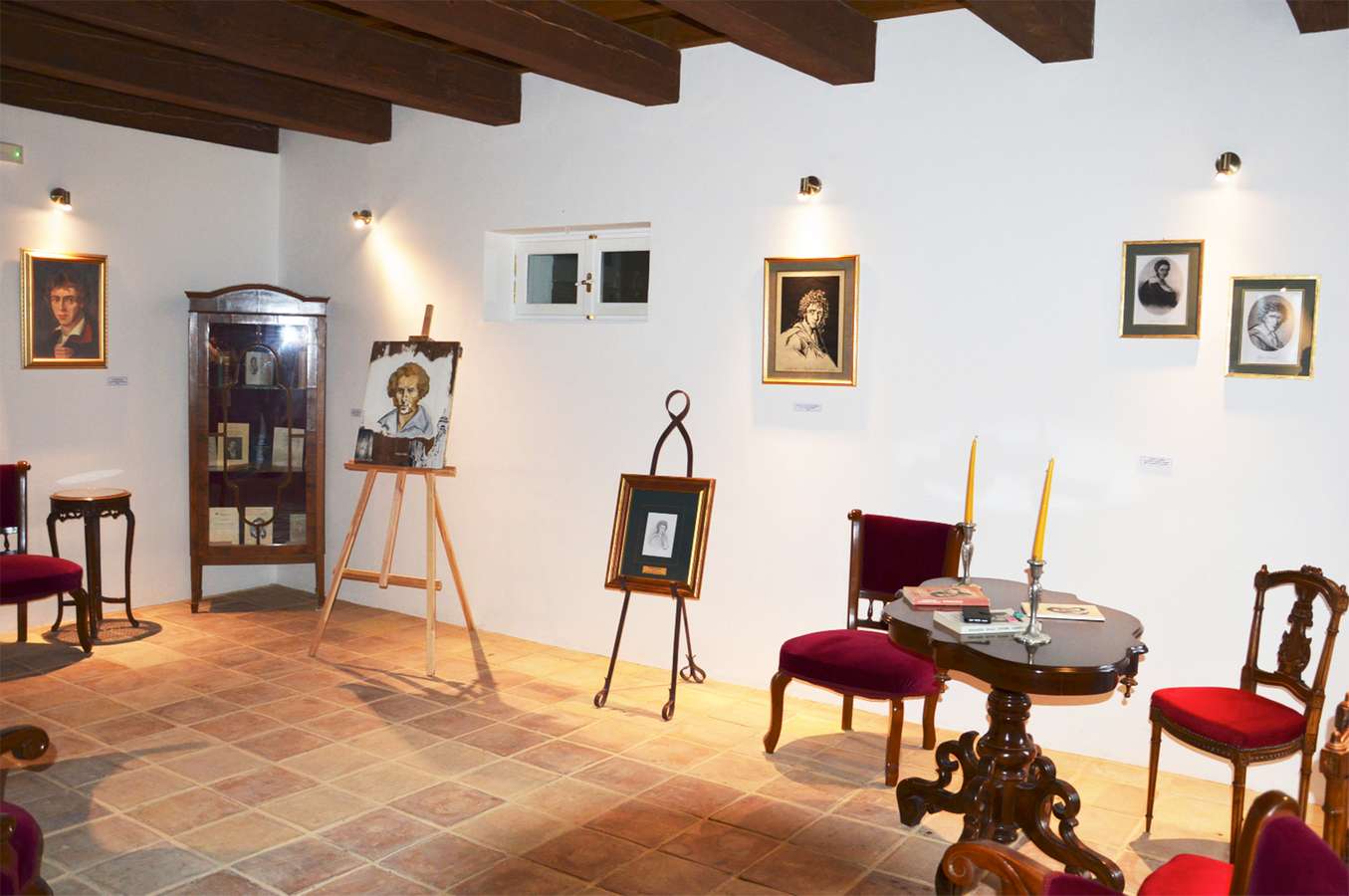
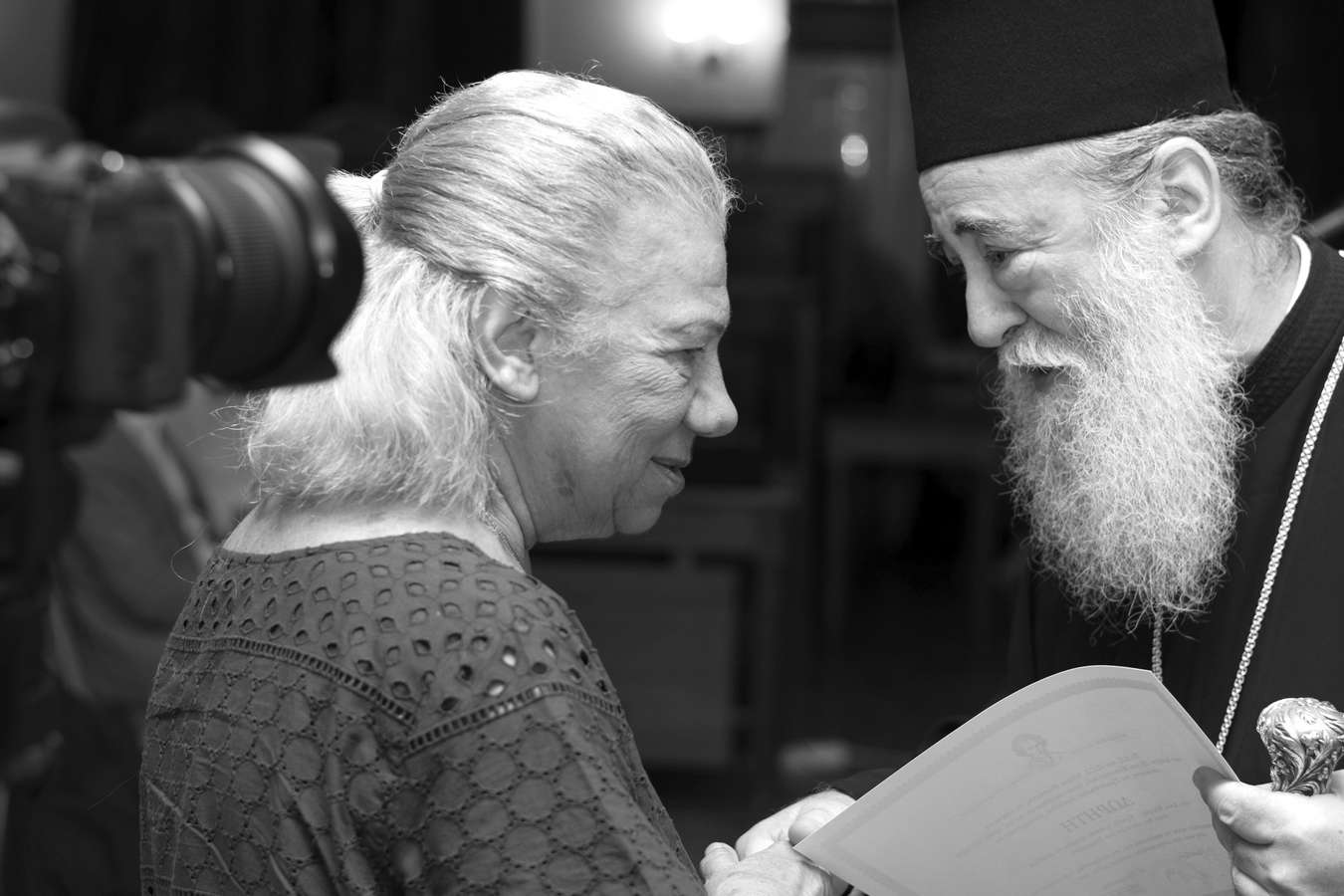
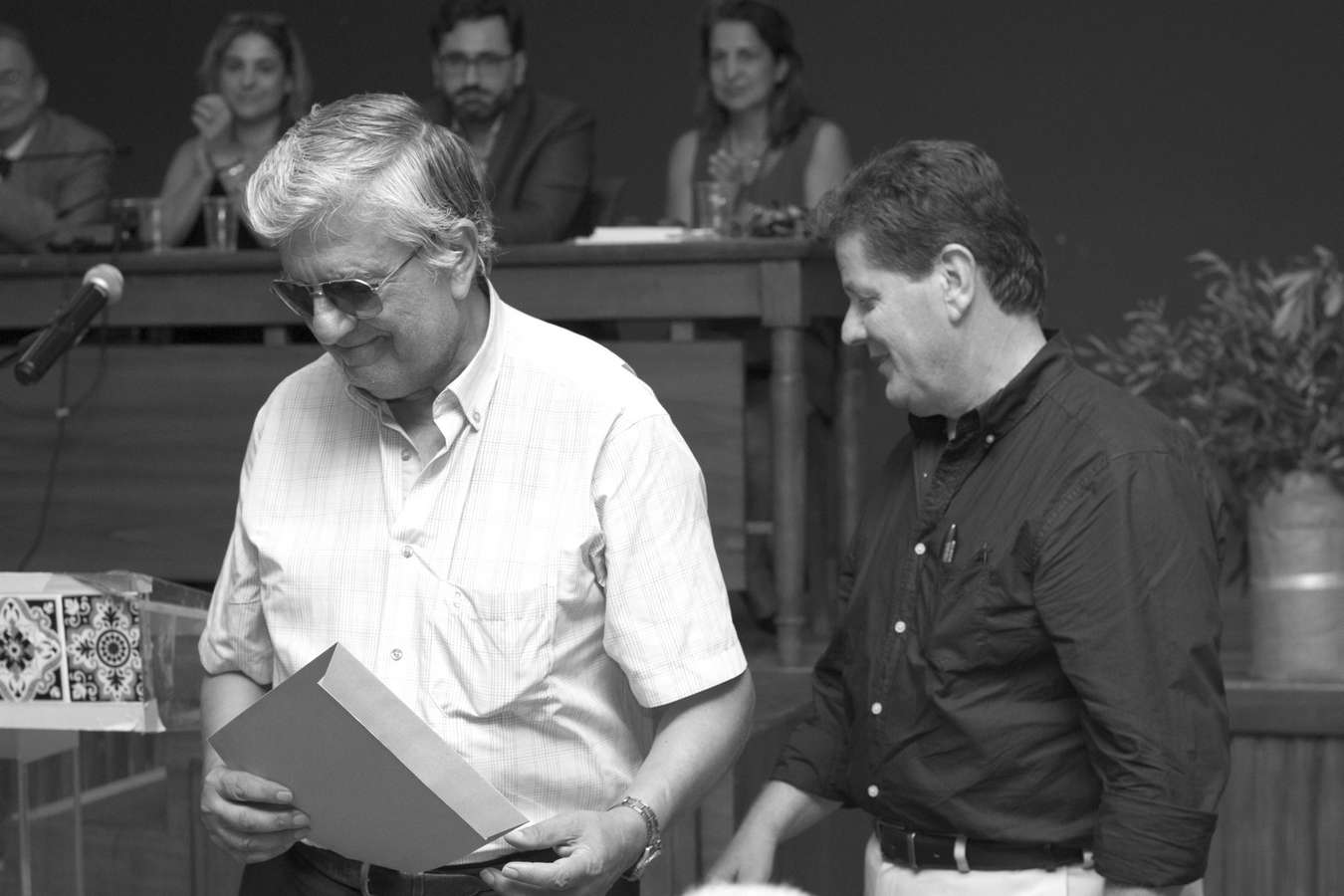
The Association’s president, Filippos Synetos, spoke about the progress of turning the poet’s House into a visitable historic site and, on behalf of the Board, awarded the first seven donors of the Museum under formation. They are Ms Lena Karrer–Kriezi, Maria Rousea Barba, Niki Gouliari of Ioannis, Dionysis Serras of Ioannis, Nikos Mitsakis of Georgios, Gennaios Chrysikopoulos of Konstantinos and Dionysis Sklivas of Angelos.
THEY SAID ABOUT THE EVENT
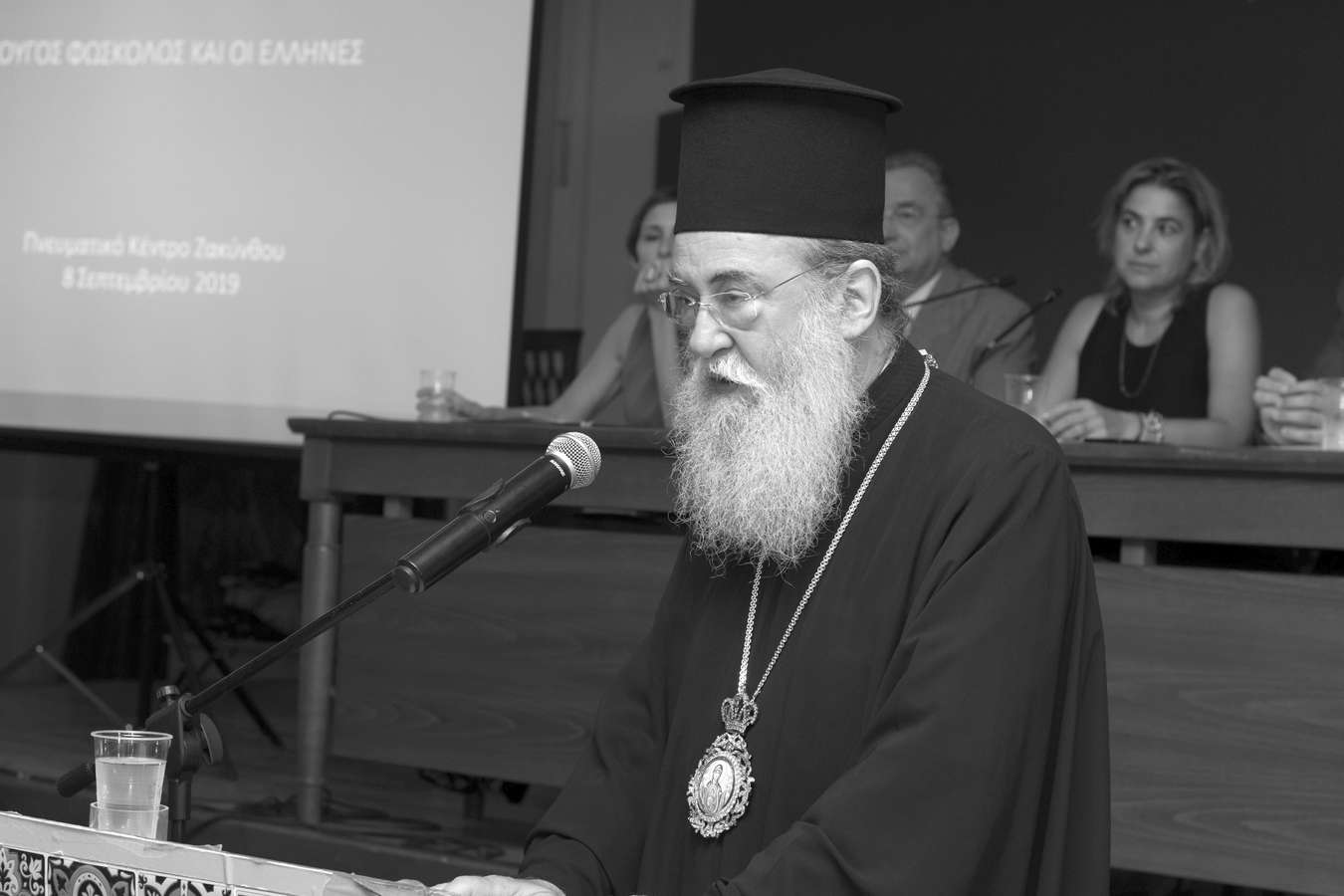
His Eminence the Metropolitan of Zakynthos, Dionysios
“This meeting is a debt of memory and honour towards U. Foscolo. We must pay tribute to the politician, the poet and the revolutionary U. Foscolo, who always praised Zakynthos, and at the same time we recall lost ecumenical values. There is always the struggle for human survival.”
Nikitas Aretakis – Mayor of Zakynthos
“Tonight is an evening on which we have all come together to honour the great poet of Zakynthos, U. Foscolo. It is also an evening on which we must honour the Association, which through its efforts honours his memory by holding this event every year. I hope it will continue in the years to come and that many Zakynthians will help sustain this effort of the Association.”
Ioannis Filandros – Historical researcher
“The paper referred to the celebrations held for the centenary of Ugo Foscolo’s death. They were the first such celebrations in the history of the Greek state. The talk focused on the contribution of the Minotos couple to organising the festivities, as they had a decisive intervening role documented by many archival records. Their main concern was, on the one hand, to present and make known Foscolo’s work to Greek society and, on the other, to document his Greekness, placing him within the political climate of liberalism and revolutionary spirit of his age, which is linked to the struggle for Greek independence and Italian unification.”
Gerasimos Zoras – Professor, Faculty of Philosophy, University of Athens
“Foscolo was an aspiring fighter of 1821. In 1824 he wrote a letter to one of the leaders of the revolution, Ioannis Orlandos, in which he asked to come to Greece, provided his living expenses were covered and he was granted the rights of a Greek citizen, in order to fight alongside the struggling Greeks. He even intended to sell his house in London and renounce the rights he held as a citizen of the Ionian State. Two or three days before he wrote the letter, Byron had died at Messolonghi, so perhaps that very event also prompted him to come and fight and give his life for Greece. Unfortunately he did not succeed, and so in 1826 he wished to return to his birthplace. Death overtook him, and thus he never returned to Zakynthos, drawing his last breath in London, far from both his first homeland, Zakynthos, and his second, Italy.”
Filippos Synetos – President of the Cultural Association “Ugo Foscolo”
“This year marks ten years since the founding of the association ‘Cultural Association of Zakynthos Ugo Foscolo’. The initiators of this movement were Nikos Lalotis and Dionysios Zivas, professor at the National Technical University of Athens. During this decade much has been achieved, the most important being that the poet’s house was rebuilt as it was then. It is a cradle of culture that attracts hundreds of visitors. The wish now is for it to become a modern Museum. In that direction we believe we will have the support of the Region, the Municipality and the Ministry of Culture. There is great interest in Italy and throughout Europe, because U. Foscolo is a highly enlightened personality, and we believe that very soon we will have achieved these great goals we have set.”
Marietta Minotou – Lecturer in Archival Science, Library Science & Museology, Ionian University
“It is a great joy and honour to be here with you today at this international scholarly event, whose aim is to promote the life and work of Foscolo—an institution that has been repeated in recent years and is important for participants and for the public. Through archival material preserved by the Minotos family, the activity of the Minotos couple was presented; as an intellectual couple of their time they gave priority to the study, research and promotion of Foscolo. They left an outstanding body of work for their era by translating the poet’s work into Greek.”
Francesca Sensini – Associate Professor of Italian Philology & Literature, University of Nice (France)
“I am very enthusiastic that I managed to be here and to speak in Greek, which I am still learning. It was very important for me to speak about Foscolo in Greek. I hope the Association’s activity continues, because the dialogue on Foscolo between Greece and Italy is important.”